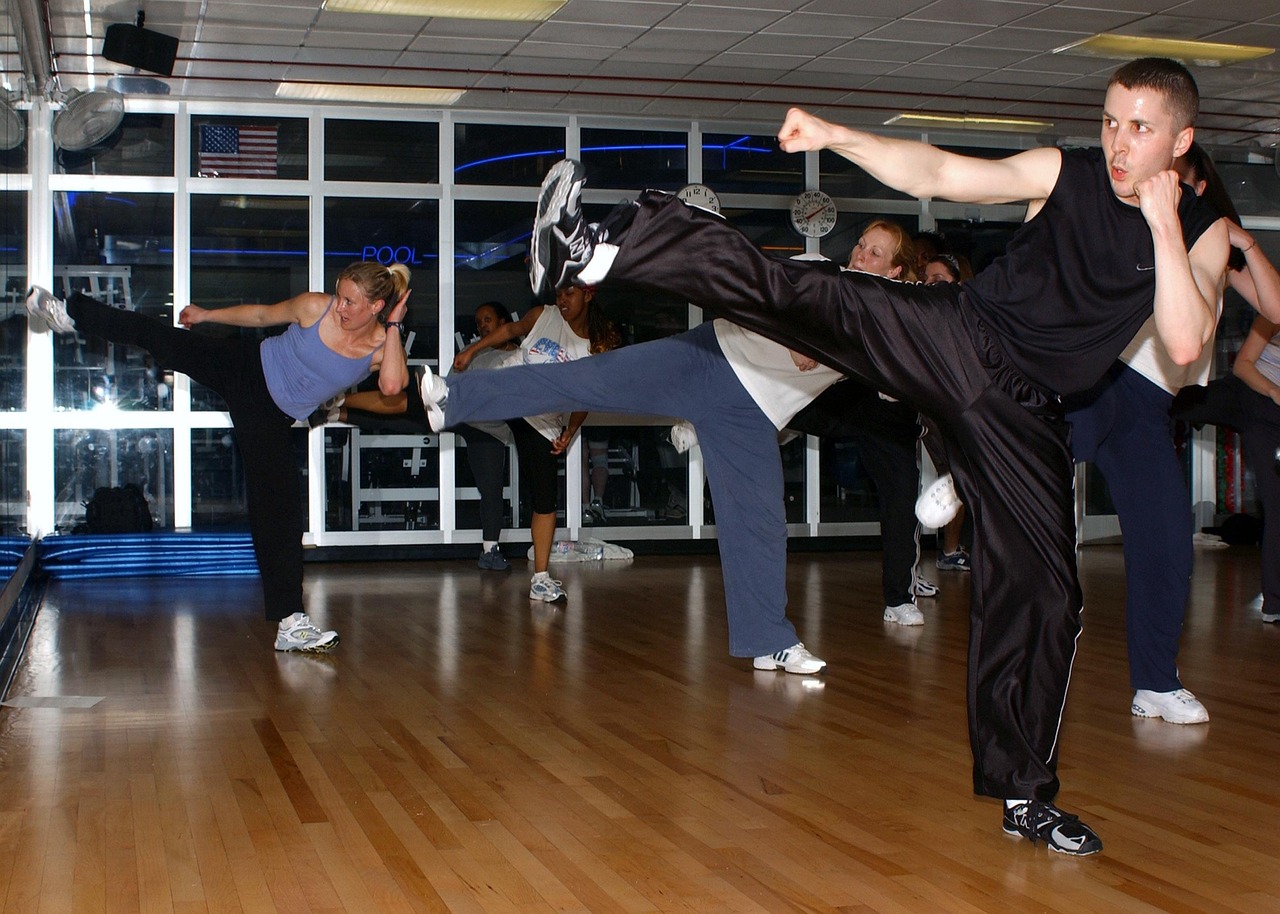

Group Kickboxing Fitness Classes: Community and Motivation
Group kickboxing fitness classes are an exciting way to combine physical fitness with a sense of community. These classes offer the perfect blend of rigorous workout sessions alongside the motivation that comes from being part of a group. Whether you’re a beginner or an experienced kickboxer, joining a group class can enhance your workout experience remarkably. Participants are often more engaged when they share the journey of fitness with like-minded individuals. In a group setting, you’ll find encouragement from fellow kickboxers, pushing each other to achieve personal fitness goals. The class atmosphere is designed to keep everyone motivated, establishing camaraderie that continues outside of the workout sessions. Besides physical benefits, these classes help build meaningful connections, leading to planned kickboxing events and even social activities. This sense of belonging is crucial in maintaining a consistent workout regime. You may find it easier to remain dedicated when your peers celebrate victories, suggesting an accountability system that reinforces your commitment to fitness. Thus, group kickboxing classes serve not only as fitness pathways but as avenues for social interaction and lifelong friendships.
The Health Benefits of Kickboxing
Engaging in kickboxing fitness classes has myriad health benefits, making them an excellent choice for all fitness enthusiasts. Kickboxing promotes cardiovascular health, improving heart strength through intense aerobic exercises centered on movement. The combination of punches, kicks, and agile footwork elevates the heart rate while burning calories efficiently. On average, a one-hour kickboxing class can burn between 500 and 800 calories depending on individual effort levels. Additionally, kickboxing improves flexibility, strength, and coordination, which are essential for overall well-being. Participants will notice improved muscle tone in the legs, core, and arms, giving rise to a toned appearance. Moreover, reflexes and response times are enhanced through the practice of targeted techniques and drills. These skills extend beyond the gym; they can increase confidence in self-defense situations. Mental health is also significantly impacted; the release of endorphins during vigorous workouts can combat stress, anxiety, and depression. Establishing a fitness routine through group kickboxing classes fosters a sense of achievement and self-worth. This holistic approach encourages individuals to feel empowered in their fitness journeys while producing exceptional physical results.
Kickboxing classes promote a supportive community environment conducive to fitness success. You will meet diverse individuals with various backgrounds and experiences. The diversity enriches the learning experience; class members can share their unique techniques and tips to help each other improve. In addition, having a supportive environment encourages open communication about fitness goals and challenges. Members often form workout buddies, pushing each other toward achieving personal targets such as weight loss and increased strength. Group training creates a synergy that motivates members to push through difficult workouts together. The atmosphere in these classes is typically energetic, filled with laughter and high spirits, making the time spent working out enjoyable. Furthermore, class instructors usually foster this bond by engaging with participants, encouraging them to express their needs and preferences regarding training. This interaction customizes the experience, fostering loyalty to both instructors and the class. Ultimately, this sense of community is a cornerstone to the appeal of kickboxing disciplines, making it easier for individuals to commit to their fitness plans and pursue their goals relentlessly.
Choosing the Right Kickboxing Class
Selecting the right kickboxing fitness class involves understanding personal goals, fitness levels, and class dynamics. Start by researching local fitness studios that offer kickboxing classes, ensuring they cater to your fitness level and goals. Some studios focus on high-intensity training, while others emphasize foundational techniques and skills. Check the class schedules and observe if the instructors are certified and experienced in kickboxing. Reading reviews on various platforms can provide insight into other people’s experiences. Visiting a studio for a trial can help gauge the atmosphere; you want to ensure it’s motivating and supportive. Additionally, consider the class size, as some may enjoy more personalized attention while others thrive in larger groups. Ensure that the offerings align with your goals—whether they’re cardio-driven fat loss or skill-building techniques. Speak with instructors about your interests and concerns; a good instructor will guide you through your journey, tailoring their approach to suit individual needs. Ultimately, finding the right kickboxing class suitable for your lifestyle enhances the likelihood of successful commitment and enjoyable experiences.
Kickboxing fitness classes utilize various techniques and styles, often influenced by traditional martial arts. Participants can enjoy a comprehensive workout while learning essential techniques and honing their skills. Some classes focus on bag work and sparring, allowing individuals to practice striking techniques, improve stamina, and coordination. Additionally, significant attention is given to defensive skills, rendering participants better prepared for any styling situation. Group classes present opportunities to practice in pairs, which builds teamwork and communication skills, essential in both martial arts and everyday life. Instructors typically incorporate combinations of punches and kicks, teaching participants how to execute moves efficiently while maintaining balance. Progressing through classes builds confidence and encourages participants to challenge themselves further. Many kickboxing programs also incorporate strength training and flexibility exercises, enhancing overall physical performance. Aspects of fun, entertainment, and diverse workout routines ensure that every session is exciting, keeping boredom at bay. The variety allows participants to stay engaged while exploring their capabilities. Even within typical classes, the uniqueness of each session ensures participants remain broadly challenged, continuously working toward personal growth.
Kickboxing as a Family Activity
Kickboxing fitness classes are not limited to adults; they can be an exciting family activity that encourages a healthy lifestyle for all ages. Family kickboxing classes encourage bonding through physical exercise while instilling discipline and self-esteem in children. Introducing children and teens to kickboxing allows them to develop motor skills and techniques that can serve them throughout their lives. Parents can participate alongside their kids, ensuring accountability while nurturing relationships based on shared experiences. Moreover, family classes promote friendly competition, motivating participants to improve while fostering a supportive atmosphere. Parents and children find joy in learning together, usually applying lessons learned in class to their daily interactions. Even at a young age, families can deeply understand goal-setting, perseverance, and dedication to fitness. The shared journey toward improved health creates lifelong memories and strengthens family bonds. Many studios offer family memberships, making it economically feasible. Kickboxing as a family activity can also cultivate healthy habits, often leading to an overall lifestyle change for family members. Enjoying fitness together not only promotes healthier habits but can also improve family relationships by nurturing support and motivation.
In summary, group kickboxing fitness classes represent an incredible triumph of community, motivation, and health benefits. Joining classes not only promotes physical improvement; it enhances mental well-being while fostering a sense of belonging and interaction. The numerous advantages derived from group training—support, encouragement, accountability—serve to elevate individual experiences far beyond traditional solo workouts. Learning to kickbox in a group setting provides tangible benefits like motivation while cultivating friendships with fellow fitness enthusiasts. Exploring kickboxing as a family-friendly activity broadens the appeal and impacts family dynamics positively, allowing members to grow together in fitness. The culture of support within the group is invaluable; it mitigates feelings of isolation while fostering personal growth that encourages everyone to achieve their unique goals. Ultimately, as participants continue on their kickboxing journeys, they gain fitness knowledge and life skills, such as persistence and teamwork. Thus, the rewarding experience generated from group kickboxing classes promotes lasting relationships, powerful skills, and a vibrant sense of community, inspiring individuals to stay committed to their fitness pursuits.