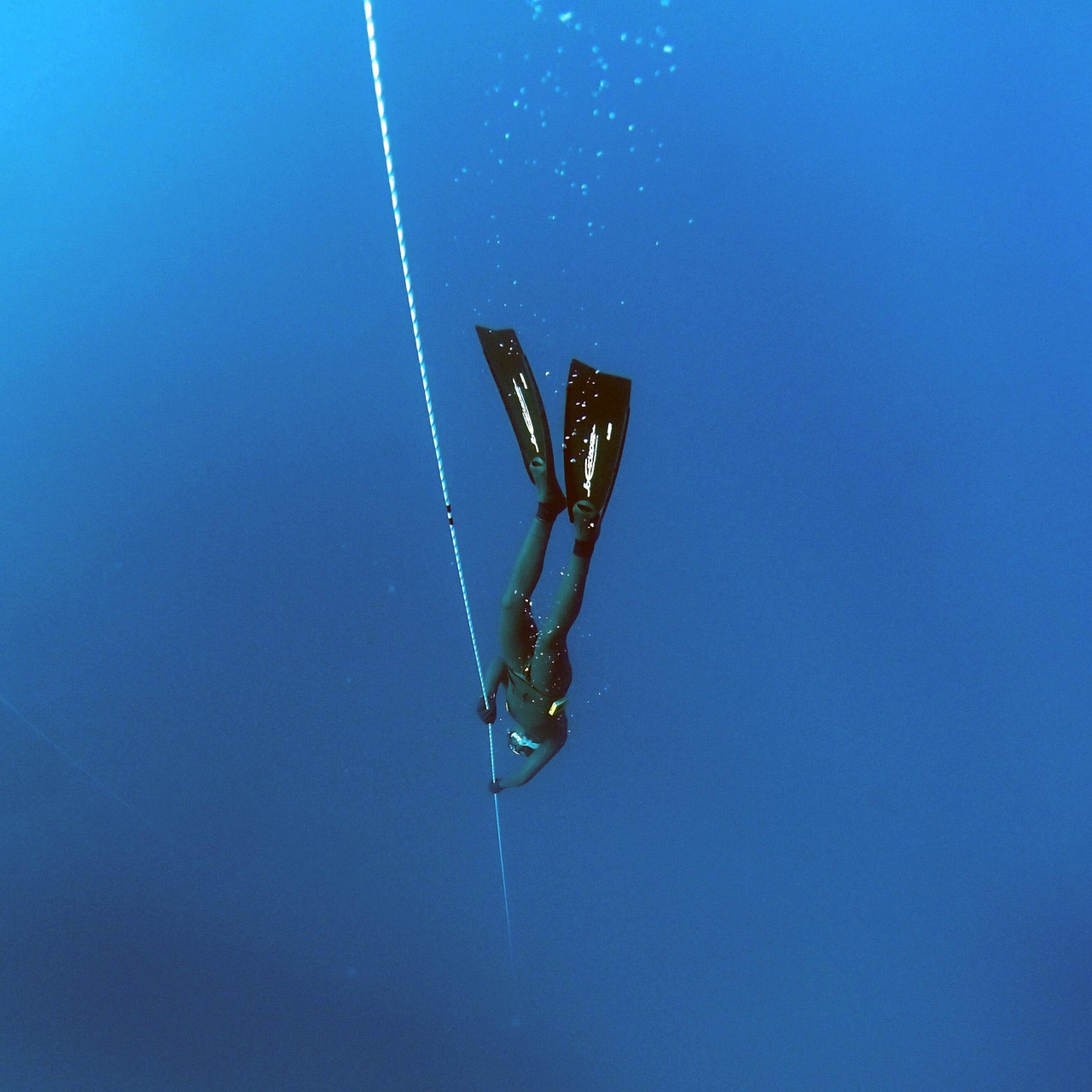

How to Combine Yoga and Freediving for Optimal Results
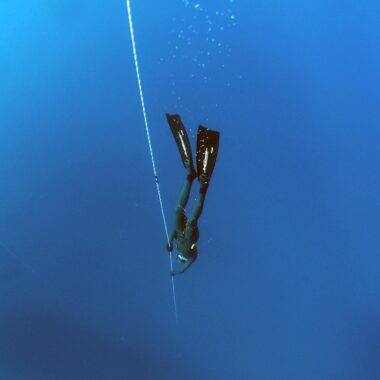
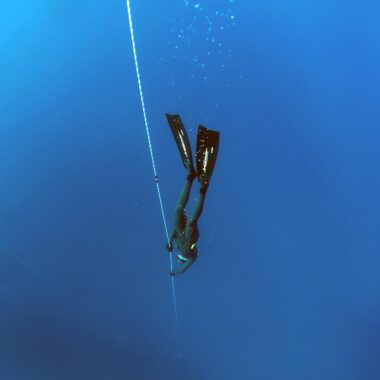
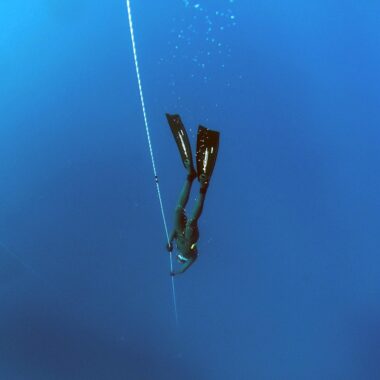
Freediving is a thrilling water sport that requires a unique blend of physicality and mental concentration. Many freedivers are turning to yoga as a complementary practice to enhance their performance. By integrating yoga into your freediving training, you can improve breath control, flexibility, and mental focus. Yoga teaches practitioners how to manage their breath, which parallels the techniques used in freediving. With conscious breathing, divers can enhance lung capacity while remaining calm under water. Additionally, yoga helps in aligning the body, crucial for maintaining proper body posture during dives. To begin, identify basic yoga poses like Downward Dog and Child’s Pose, emphasizing deep, rhythmic breathing as you practice them. These poses increase lung capacity, improve circulation, and promote relaxation, essential for extended underwater exploration. Consider attending classes that focus on breathwork or pranayama specifically for divers. Focus on your connection with your breath, and over time, you’ll notice a marked improvement in your ability to stay calm in the depths of the ocean. This synergy between yoga and freediving not only makes for better diving experiences but also leads to a more holistic approach to well-being.
Benefits of Yoga for Freediving
The benefits of incorporating yoga into a freediver’s training regimen extend well beyond physical abilities. One significant advantage lies in its capacity to foster mental clarity and relaxation. Freediving can be mentally taxing, as the depths often trigger anxiety. Yoga equips divers with valuable tools such as mindfulness and meditation, encouraging a peaceful mindset. Both yoga and freediving demand a high level of concentration, and the techniques learned through yoga practice help focus the mind during dives. Improved mental clarity aids in executing dives more successfully while reducing stress levels. Moreover, increased flexibility enhances muscle function and allows for a more streamlined body position underwater. This streamlined form can yield significant improvements in the ease of descent and ascent. Incorporating stretches such as the Pigeon Pose or Seated Forward Bend increases flexibility across major muscle groups used in diving. Dedicated sessions focusing on hip and core strength can also be beneficial. Remember that regular practice creates synergy, allowing you to marry both disciplines effectively. Taking the time to regularly practice these techniques will undoubtedly elevate your freediving experience.
Breath Control Techniques
Mastering breath control is essential for success in both yoga and freediving. Yoga facilitates various breathing techniques known as pranayama, which is particularly beneficial. Freedivers require the ability to extend their breath-hold time, making controlled breathing vital for safety and achievement. Utilizing techniques like Belly Breathing and Box Breathing can greatly improve your capacity to manage breath effectively. Start practicing these techniques during your yoga sessions, deepening your inhalation and focusing on exhalation to release air slowly. When underwater, these practices help maintain composure and slow down the heartbeat, elongating your dive time. Furthermore, integrating breath retention exercises into your routine enhances physical adaptation to increased carbon dioxide levels. This familiarity with varying levels of oxygen can improve your physiological response during dives. Remember to maintain a diet that supports lung health, emphasizing antioxidant-rich foods. Regular yoga sessions can create a deeper awareness of your breathing patterns, allowing you to maximize your potential underwater. Eventually, you will find yourself more at ease in diving situations, exhibiting a level of confidence that comes with effective breath control.
Yoga Poses Recommended for Freedivers
Practicing specific yoga poses can optimize your body for freediving by improving your flexibility, strength, and breath control. Among the recommended poses are Warrior II, Lotus Pose, and Bridge Pose. Warrior II builds leg strength and encourages stability, crucial for maintaining a solid dive posture. Lotus Pose, on the other hand, promotes calmness while gently opening the hips, improving overall range of movement. Finally, Bridge Pose not only enhances back flexibility but also stimulates the diaphragm, thus supporting breath control. Incorporate these poses into your weekly routine, holding each for a minimum of five breaths, allowing deeper integration. To further enhance your practice, you can consider positions that stretch the intercostal muscles, essential for expanding the rib cage. Seated Side Bends and Fish Pose can foster relaxation while loosening tight muscles in your torso. As always, focus on slow, mindful breathing throughout your practice. Consistent implementation of these poses in conjunction with diving practices fosters synergy, which ultimately leads to improvements in your diving capabilities. Over time, as you build strength and flexibility, you will notice enhanced performance underwater.
The connection between the mind and body is paramount in excelling at both yoga and freediving. Adopting techniques such as meditation and mindfulness can bolster this connection significantly. Begin by dedicating several minutes before each yoga session to calm your mind, allowing you to focus entirely on the present moment. Such meditation practices will help quiet racing thoughts both on land and under the water. Establish a routine that includes visualizing your success while freediving, further enhancing your mental reservoir. Visualization also fosters a sense of safety and confidence, crucial for tackling depths. Alongside mindfulness practices, yoga encourages a deep connection to your breath, promoting self-awareness as you dive. This heightened awareness can foster quick responses to your body’s signals under pressure, significantly enhancing your overall safety. It’s essential to integrate these practices as daily habits rather than sporadic attempts. Over time, you’ll discover an enriching synergy that elevates both your yoga and freediving practices. Consider documenting your experiences in a journal to track improvements and reflect on your mindset. Engaging thoroughly with this combination will inevitably lead to optimal results.
Safety Checks and Mindfulness in Diving
While yoga offers incredible benefits for freedivers, safety remains paramount. Approaching freediving with a sober mindset founded on mindfulness helps avert accidents. Always ensure you conduct thorough safety checks before every dive, which should include verifying your buddy system and conditions. Engaging in mindfulness practices enables divers to be fully present, decreasing risks associated with distraction. It’s imperative to respect your limitations during dives, never pushing beyond what feels comfortable. Understanding your body’s signals, developed through yoga training, can advocate for maintaining safety. Instilling a culture of open communication with your dive buddy will enhance overall safety. Frequent discussions regarding each other’s comfort zones and signals can promote a safer diving experience. Remember to prioritize rest and recovery after intensive dives or yoga sessions. This downtime allows your body to recuperate properly, enhancing resilience for future dives. By committing to safe practices in conjunction with mindful techniques, you can expect a fulfilling and enjoyable diving experience. Regularly practicing mindfulness both during yoga and diving will foster a safer environment for you and your fellow divers.
In conclusion, the combination of yoga and freediving can greatly amplify your overall experience as a diver. By mastering breath control through yoga techniques, you can enhance your freediving performance. The synergy created by integrating yoga poses nurtures not only physical capabilities but mental strength. Focused practices such as visualization foster a stronger mindset, which is beneficial for diving. Moreover, the safety protocols established through mindfulness ensure each dive can be executed confidently and responsibly. Emphasizing flexibility through poses causes muscle relaxation, allowing you to glide effortlessly through water. Seek to create routines that blend these two disciplines seamlessly, carving out specific times for yoga and diving practices. Documenting your progress will invigorate your motivation to continue pursuing excellence. It’s essential to engage with a community of fellow divers and yogis who share your interests. Surrounding yourself with like-minded individuals fosters growth and shared experiences, enriching your journey. Ultimately, embracing the union of yoga and freediving is a pathway to achieving optimal results while ensuring personal safety. Embark on this journey, exploring the vast ocean, and discover newfound strengths.
Final Thoughts on Yoga and Freediving
As you venture into mastering both yoga and freediving, keep in mind that patience and consistency are key to uncovering their full benefits. Each individual will experience unique improvements, so embracing the journey becomes essential for personal growth. Attending workshops led by professionals can deepen your understanding of combined practices, giving you expert guidance. Stay committed to setting small goals, celebrating your progress along the way while remaining open to new challenges. Consistently seek feedback from peers and instructors, who may provide insights you have overlooked. The integration of yoga principles into your freediving routine will create a ripple effect, permeating other aspects of your life. As you become more connected with nature through water sports, you will cultivate gratitude for the environment that surrounds you. The mental clarity gained via meditation will translate into improved decision-making abilities on land and water. Find balance in your practices, always allowing for recovery and reflection. The journey may not always be smooth, but the rewards will be profoundly enriching. Enjoy the process, and let your passion for yoga and freediving inspire greater depths.