
How to Use Blood Pressure Monitoring in Your Fitness Plan
When embarking on a weight loss journey, it is essential to utilize all available tools. One effective method is blood pressure monitoring. Blood pressure readings can often reflect overall health and how your body responds to exercise and diet changes. By regularly measuring these levels, you can gain insights into your cardiovascular health, allowing you to fine-tune your fitness plan effectively. Regular monitoring helps to identify trends, indicating if your blood pressure is within a healthy range. If you notice significant fluctuations, it may signal the need for adjustments in your physical activity or dietary choices. Consult a healthcare professional for personalized advice based on your readings. With a healthy blood pressure range, you are more likely to maximize your weight loss efforts. Incorporate these readings into a fitness diary to observe correlations between workouts and blood pressure variations. This information can shape your routines to optimize fat burning and muscle building while ensuring safety during activities. Ultimately, understanding these relationships can empower you on your journey toward achieving your weight loss goals, promoting healthy habits that support your overall well-being.
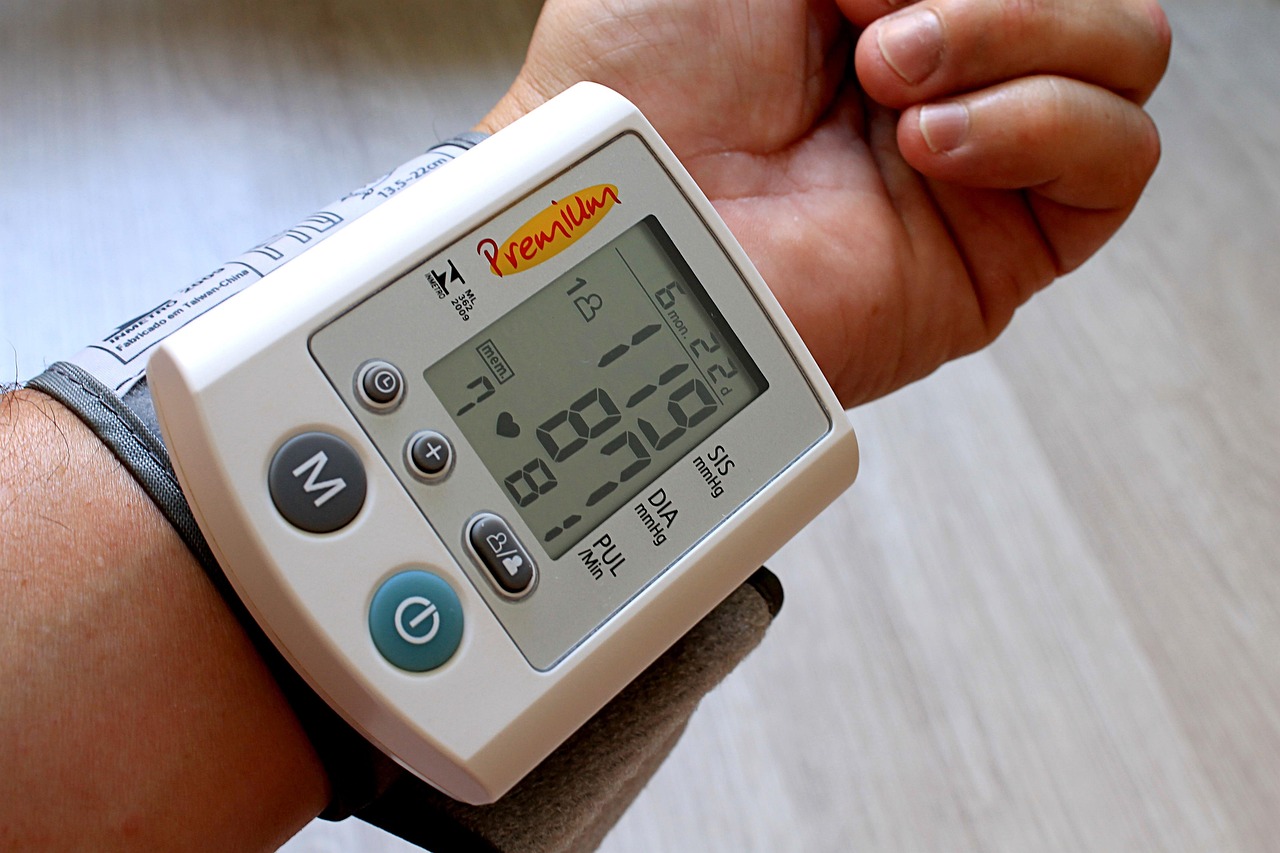
Blood pressure monitoring is not merely a medical task; it is an essential component for those focused on fitness. It helps you recognize the impact of your workouts and dietary adjustments on your cardiovascular health. Start by purchasing a quality blood pressure monitor to ensure accurate readings at home. The American Heart Association recommends measuring your blood pressure at the same time each day to maintain consistency. Keep a record of your results, noting any dietary changes or workout intensities you implemented around those times. This approach enables detailed tracking of how these factors may affect your blood pressure levels. Take note of any spikes or dips, correlating them with your fitness regime. This data can provide vital insights into if your training intensity is appropriate for your current fitness level. Additionally, consider consulting with a healthcare professional to interpret your results accurately. They can help you identify potential risks and suggest modifications to your fitness plan. Thus, establishing this routine is vital for continually supporting your weight loss endeavors effectively.
Incorporating blood pressure monitoring into your fitness regime facilitates awareness about your health. By understanding your blood pressure levels, you can better appreciate how workouts affect your body. High-intensity exercises might increase blood pressure temporarily, which is normal; however, it should return to normal levels shortly after. If it does not, it may indicate that you need to scale back your efforts or consult with a healthcare provider. Similarly, if you engage in low-intensity workouts and find consistent elevation in blood pressure, it could signify that your cardiovascular health needs attention. Therefore, it is worthwhile to balance exercise with effective strategies to improve cardiovascular conditions, such as aerobic exercises, strength training, and flexibility work. This balance will enhance your results. Moreover, timing your workouts during moments of lower blood pressure may encourage more productive exercise sessions. Remember to incorporate recovery time between strenuous workouts. Documenting these experiences might help you identify the perfect workout timing that aligns with your body’s responses, which is crucial for successful weight management in a sustainable manner.
Understanding Blood Pressure Readings
To effectively utilize blood pressure monitoring, understanding the readings is crucial. Blood pressure is typically represented as two numbers; systolic over diastolic (e.g., 120/80 mmHg). The systolic measurement indicates the pressure in your arteries during heartbeats, while the diastolic represents the pressure during rests between beats. A reading within the normal range is vital for overall health. Maintaining a healthy blood pressure level can significantly impact the effectiveness of your fitness plan. If you notice consistently elevated readings, it could pose a risk during intense workouts. Therefore, knowing these numbers can guide your exercise modifications and dietary decisions. Aim to keep your readings within recommended guidelines by focusing on heart-healthy practices. Incorporating more fruits, vegetables, and whole grains may help achieve this without compromising your weight loss goals. Tracking dietary intake alongside blood pressure can highlight meals that support or hinder your fitness journey. Utilizing this knowledge empowers you to manage your health better and encourages accountability in achieving your fitness ambitions.
Documenting your blood pressure readings alongside your workout progress is beneficial for identifying trends. Consistent tracking of these two data points allows for more accurate assessments regarding how your fitness plan impacts overall health. Use a simple spreadsheet or fitness app. Record your exercises, durations, and intensity levels, along with corresponding blood pressure readings. By comparing these figures, you will develop a deeper understanding of what works for you in your fitness journey. For example, higher intensity workouts may yield better fat-burning results but could also lead to temporary spikes in blood pressure. Conversely, moderate exercises could contribute to lower readings more consistently. Moreover, noting stressors during the day could shed light on elevated readings too. Understanding the cause behind changes leads to better management strategies in your health regimen. Combine this with nutritional information, helping to determine the most effective routines for improving blood pressure and supporting weight loss. The direct correlation between these data points can guide you toward a balanced fitness lifestyle, thus creating positive outcomes in both health and performance.
Best Practices for Monitoring
To maximize the effectiveness of blood pressure monitoring as part of your fitness plan, adhere to best practices. Firstly, choose a comfortable and quiet environment for taking readings to avoid any distractions. This ensures accurate measurements. Secondly, it is crucial to maintain a regular schedule for taking your readings. Aim to do this in the morning and evening each day, just before beginning your workout routine. This consistency will permit a more accurate comparison to your workout results. Additionally, avoid caffeine, alcohol, and heavy meals before taking readings; all of these can affect blood pressure levels, yielding misleading results. It’s also advisable to rest for at least five minutes before measuring. For real-time insight, consider using a blood pressure monitor that connects to your smartphone, allowing for easy data logging and analysis. Within your fitness plan, address any abnormalities in your readings promptly; if your blood pressure remains elevated, consult a healthcare professional. Following these monitoring practices enhances your ability to integrate health insights successfully into your weight loss strategy, promoting long-term adherence to your fitness objectives.
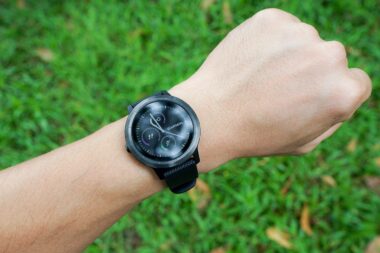
In addition to blood pressure readings, remember to monitor your heart rate during exercises. As you work on your fitness plan, understanding how your heart responds to various intensities will add another layer to your health assessment. Your target heart rate zone is typically 50-85% of your maximum heart rate, which varies based on age and fitness levels. When paired with blood pressure data, heart rate monitoring can provide additional insights into your cardiovascular health. Utilize wearable technology or traditional heart rate monitors during workouts to gather accurate figures. Compare how your heart rate and blood pressure respond throughout your fitness progress. Regularly checking these metrics can indicate whether your body is adapting positively to your fitness routine or if necessary adjustments are needed for safety. Additionally, take advantage of low-impact exercises to help improve overall cardiovascular health without excessively stressing the body. Maintaining your heart’s efficiency translates into effective weight loss management. These metrics combined will empower you to remain focused and motivated while achieving the desired outcomes from your fitness plan.
Conclusion: A Holistic Approach
Using blood pressure monitoring as a fundamental aspect of your fitness plan fosters a more holistic approach toward health. By acknowledging the relationship between your physical activities, diet, and cardiovascular health, you equip yourself with powerful tools to steer your weight loss journey effectively. Recognizing fluctuations and trends within your blood pressure readings can lead to invaluable insights about your overall health status. As you consistently document these figures alongside your workout performance and nutritional intake, creating a comprehensive view of your fitness journey becomes possible. This approach instills accountability and encourages more health-conscious decisions. It prepares you for long-term success in weight loss and management over time. If you ever feel uncertainty or exceed safe blood pressure limits, reaching out for professional guidance is wise. Cell, heart, and muscle health must work together harmoniously; hence, continuous education surrounding your personal metrics will significantly enhance the results of your efforts. Ultimately, by integrating blood pressure monitoring into your fitness plan and maintaining a balanced approach, achieving your weight loss goals is within reach.