
How to Improve Your Running Form on a Treadmill
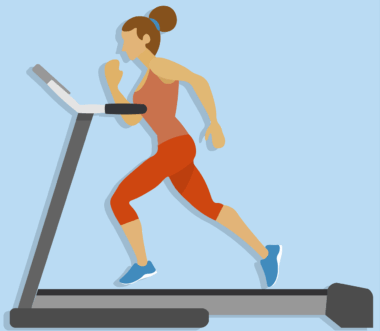
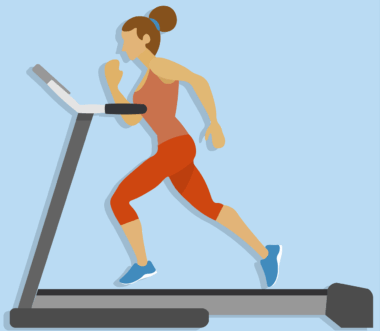
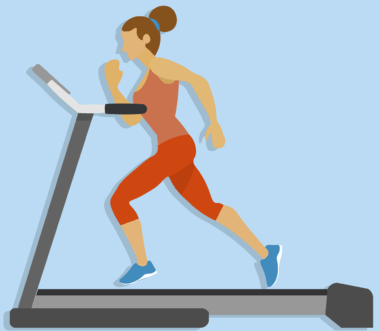
Running on a treadmill can significantly enhance your cardiovascular health and overall fitness. However, achieving the correct running form is critical to prevent injuries and maximize performance. First, ensure that your posture remains upright throughout your run. Your head should be up, looking straight ahead, not looking down at your feet. This position keeps your spine aligned, preventing strain. Furthermore, your shoulders should be relaxed, not tensed or hunched. Keeping your arms bent at approximately a 90-degree angle helps your overall movement. Aim to use your arms to drive your pace rather than allowing them to sway excessively. Your wrists should remain loose, and your hands should be at waist height. Remember to land softly; avoid pounding on the treadmill. Instead of striking with your heel, aim for a midfoot landing. This adjustment shifts the impact away from your joints. Practicing proper breathing techniques is also essential. Breathe rhythmically and deeply, filling your diaphragm to maintain endurance and prevent fatigue during your workout. Setting a moderate pace is vital initially; you can increase it as your form improves over time.
Incorporating interval training on the treadmill offers a powerful method for improving your running form. During interval training, alternate between high-intensity running and lower-intensity recovery periods. This method encourages your body to adapt to faster paces while refining your technique. Begin with a warm-up, jogging at a comfortable pace for around five or ten minutes. Then, gradually increase your speed for short bursts, maintaining good form. For instance, sprint for 30 seconds, then jog or walk for 1-2 minutes to recover. Repeat this cycle for 20-30 minutes, ensuring you maintain correct posture and form throughout each sprint. Pay close attention to your foot placement and ensure your knees lift correctly. Avoid overstriding, which can lead to injury and reduce your efficiency. Focused effort on your arm swings during these intervals can also enhance your overall speed. Your arms should rhythmically complement your legs’ movement, creating a smooth running motion. Cool down with a similar duration of walking or light jogging to bring your heart rate down. This recovery phase is crucial for muscle repair and avoiding stiffness post-workout.
Adjusting Treadmill Settings for Optimal Running Form
Altering the treadmill’s incline can dramatically improve your running form and strength. A slight incline mimics outdoor running conditions and engages different muscle groups. Start with a low incline of around 1% to simulate outdoor resistance but ensure your posture remains straight. A gradual increase in the incline can challenge your body without compromising form. Monitor your body mechanics; your feet should always land under your body, avoiding excessive tempo changes that can lead to improper alignment. Make sure to adjust your speed according to the incline level. For instance, it may be necessary to reduce speed when increasing the incline, allowing you to maintain proper running technique. Paying careful attention to this balance promotes endurance and minimizes fatigue. Furthermore, always use appropriate footwear designed for running. Good shoes provide necessary support, cushioning, and reduce the risk of injuries. Regularly check your shoes for wear patterns and replace them when needed. Adapting your treadmill workout to your body’s feedback is crucial. Each run should feel comfortable and achievable while aiming for improvements in form and performance.
Strength training complements treadmill running by enhancing your stability and running economy. Focus on exercises targeting your core, hips, and legs, which play essential roles in running efficiency. Effective core exercises include planks, Russian twists, and bridges, enhancing your stability as you run. By developing stronger core muscles, you maintain a better posture during workouts. Strengthening your hips with exercises like lunges, step-ups, and squats promotes better leg control and reduces injury risk. Focusing on leg strength through calf raises and hamstring curls is also beneficial. Building muscle in these areas improves your stride length, thereby enhancing your speed. Scheduling two to three strength training sessions per week complements your treadmill workouts without overloading your body. Balancing the intensity between running sessions and strength training prevents fatigue while promoting growth in both areas. By integrating weights into your routine, you can build a stronger foundation that supports your running form. Remember to emphasize form with each exercise and aim for a steady progression rather than trying to lift heavy loads immediately. This philosophy not only builds strength but also sustains your running form improvements over the long term.
Paying Attention to Nutrition and Hydration
Proper nutrition plays a vital role in your ability to maintain a strong running form on the treadmill. Consuming a balanced diet rich in carbohydrates, proteins, and healthy fats fuels your body for workouts. Carbohydrates provide the necessary energy for your runs, while proteins support muscle repair and recovery. Including fruits, vegetables, whole grains, and lean proteins will ensure a sustainable energy supply. Don’t forget to hydrate properly before, during, and after your treadmill sessions. Hydration is key to maintaining muscle function and overall endurance. Always drink water before a workout to stay hydrated, and keep a water bottle accessible on the treadmill for quick sips during breaks. Replenishing electrolytes after longer or more intense runs can prevent cramping and energy depletion. Adjust your nutrition based on your specific training intensities and goals; more demanding sessions will require more refined fuel strategies. Be mindful of your body’s feedback. If you’re feeling sluggish or fatigued, assess your nutrition and hydration strategy to identify improvement areas. Proper fueling not only sustains your workout but also reinforces your running form, leading to better performance.
Focusing on your mental state during treadmill running can improve your form and overall experience significantly. Mental stamina is as vital as physical strength in running. Developing a positive mindset allows you to push through challenging workouts while maintaining your form. Consider incorporating mindfulness and visualization techniques, which enhance focus and clarity. Visualize your running form and rhythm, imagining yourself moving fluidly and effortlessly. Setting attainable and motivating goals can also provide a purpose, keeping you engaged throughout your workouts. Establish a running playlist with encouraging tracks to uplift your spirits during challenging segments of your treadmill session. Establishing routines, such as warming up to a familiar tempo, builds familiarity, which can ease any anxiety surrounding your performance. During your workouts, listen to your body and adjust accordingly; if you are feeling fatigued or your form is breaking down, reduce your pace. Maintaining a mental checklist of your form adjustments can reinforce your physical awareness. Surround yourself with a supportive community or partner to keep accountability high and bolster motivation. This enhancer of mental resilience plays a crucial role in sustaining your proper form and enhancing the benefits of your treadmill workouts.
Conclusion: Building a Better Running Experience
Improving your running form on a treadmill integrates physical adjustments, mental focus, strength training, and proper nutrition. Following the strategies outlined will help you maximize your performance and enjoy an injury-free running experience. Start with your fundamental posture and gradually incorporate different techniques, such as interval training and strength routines. Ensure your treadmill settings optimize your running experience, tailoring speed and incline to your comfort and fitness goals. Incorporate nutrition and hydration strategies into your running schedule, paying attention to how they affect your performance. Don’t neglect the mental aspect of running; engaging your mind promotes resilience and focus, making the experience more enjoyable. Building a community around your running goals can offer additional support and motivation. Remember, improvement comes over time; patience and dedication are key. The combination of these elements results in a gradual enhancement of your running form and overall performance. Ultimately, finding joy in your treadmill workouts contributes to a lasting commitment to fitness. Adjust your routine as needed to avoid stagnation and continually challenge your body, lasting improvements will naturally follow as you embrace this journey of fitness.
This is the final paragraph with exactly 190 words…