
The Role of Protein Intake in Women’s Weight Loss and Muscle Building
Weight loss is a multifaceted endeavor, particularly for women who often face unique challenges. Understanding the role of protein intake is crucial for effective weight management. Protein is essential for muscle synthesis, and including it in your diet can significantly influence your metabolic rate. A higher protein intake helps preserve lean muscle mass while promoting fat loss. Moreover, protein-rich foods require more energy for digestion, which increases calorie burn. Women need to focus on a balanced intake that aligns with their fitness goals and lifestyle choices. Incorporating quality protein sources such as lean meats, fish, legumes, and dairy products are vital to achieve these objectives. When women consume adequate protein, they can experience enhanced satiety, which reduces cravings and overeating. This is particularly relevant for those looking to lose weight sustainably. Studies have shown that meals enriched with protein lead to lower overall calorie consumption throughout the day. Therefore, strategizing meal planning to include ample protein can improve weight loss outcomes for women, ultimately fostering a healthier relationship with food.
Why Protein is Important for Women
Understanding why protein intake is vital to women’s health involves recognizing its multifaceted benefits. Protein plays a crucial role in various bodily functions, including tissue repair, hormone production, and immune function. As women age, maintaining muscle mass becomes increasingly important to reduce the risk of osteoporosis and frailty. Ingesting adequate protein can aid in muscle retention and growth, especially when combined with resistance training exercises. Additionally, protein is a key macronutrient that can improve metabolic functions and support thermogenesis, which collectively assist in weight management. Moreover, protein contributes to maintaining hormonal balance, which is essential for menstrual health and overall well-being. Women may also find that incorporating protein-rich snacks can help keep energy levels stable throughout the day, reducing fatigue. For those looking to shed weight, a diet high in protein can also enhance feelings of fullness, allowing for better dietary control. Even more crucial is that protein is integral in managing and preventing obesity-related health issues like diabetes, heart disease, and metabolic syndrome, making it a vital element of any woman’s dietary strategy.
The consumption of protein also impacts physical performance, making it essential for women engaged in fitness and sports. Women often encounter societal stereotypes that can hinder their pursuit of strength training and muscle-building endeavors. By overcoming these barriers and strategically prioritizing protein intake, women can unlock their physical potential. Athletes and active women particularly require higher protein doses to support recovery and performance goals. This involves not just the quantity of protein but also the timing of intake, with post-workout feedings being especially beneficial. Consuming protein shortly after exercising can aid in muscle recovery and growth, thereby enhancing workout effectiveness. Moreover, choosing a variety of protein sources enriches the diet with different amino acids, which are building blocks for muscles. Women can opt for plant-based protein as well, diversifying their nutrition and benefiting their health. Integrating protein shakes may also serve as a convenient method to meet daily requirements, especially for those with busy lifestyles. When combined with a consistent exercise regimen, an adequate protein intake transforms not just the body, but the outlook toward body image as well.
Protein-Rich Foods to Consider
When selecting protein sources, women have a plethora of options to consider based on their dietary preferences and restrictions. Many lean meats, such as chicken and turkey, pack a significant protein punch while remaining low in saturated fats. Fish, particularly varieties like salmon and tuna, offer heart-healthy omega-3 fatty acids alongside ample protein. For those who prefer plant-based options, legumes such as lentils, chickpeas, and beans are excellent choices for achieving daily protein goals. Nuts and seeds also provide healthy fats and protein, making them great snacks. Dairy products, including low-fat yogurt and cottage cheese, are not only protein-rich but also offer calcium, which supports bone health. For vegan or lactose-free diets, alternatives like soy products, quinoa, and seitan are viable protein options. Women should aim for a balanced approach, incorporating a mix of animal and plant proteins to receive a broad range of nutrients. Ultimately, maintaining diversity in protein sources can help sustain interest in meals while ensuring adequate intake, which is crucial for effective weight loss and muscle building in women.
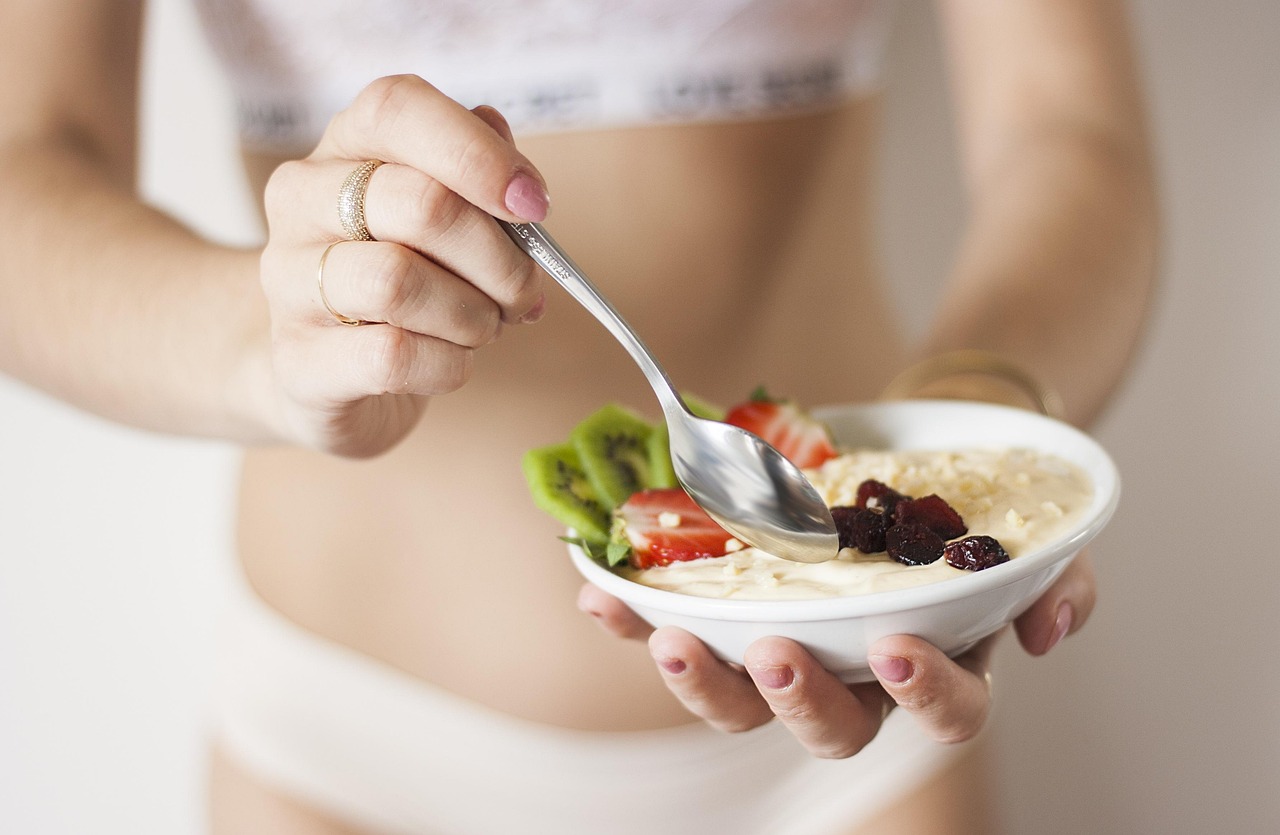
Meal planning becomes an essential tool for women who wish to incorporate protein strategically into their diets. By preparing meals ahead of time, women can ensure that they are consuming a balanced amount of protein throughout the day. Focus on breakfast by including eggs, Greek yogurt, or a protein smoothie to kickstart the metabolism. Planning lunches and dinners should also revolve around protein, which can be achieved through various creative recipes such as grilled chicken salads or chickpea stir-fries. For snacks, consider protein bars, nuts, or cheese sticks as convenient and satisfying options. It’s beneficial to create a weekly meal prep routine, which allows women to track their protein intake more accurately and reduces impulsive, unhealthy eating. Implementing a meal-prepping strategy not only saves time during the week but also establishes a healthy eating pattern geared towards women’s fitness goals. Staying hydrated is equally important since it enhances performance and aids digestion, making meals more effective. Balanced meal plans can be supportive of women’s weight loss and energy levels, fostering a sustainable and healthier lifestyle.
Combining Protein with Exercise
Combining protein intake with regular exercise amplifies weight loss results and builds muscle effectively. Women engaging in strength training or aerobic exercises should consider their protein needs in correlation with their physical activities. Ideally, consuming protein prior to a workout can provide energy and enhance performance during strenuous periods. Following workouts, it is crucial to replenish protein stores to assist in recovery and muscle rebuilding. The post-exercise window is identified as a prime opportunity to maximize protein absorption, typically within 30 minutes to two hours after exercising. This is the time when muscles are most receptive to nutrients. Women should vary their workouts to challenge different muscle groups while consistently meeting protein goals, thereby avoiding weight plateaus. Balanced routines integrating cardiovascular and strength training promote overall fat loss while muscles remain toned. Whether through traditional weight lifting or body-weight exercises, the combination of these fitness practices with sufficient protein forms the backbone of efficient weight management. Such a structured approach is both empowering and liberating in women’s lives, offering the ability to regain control over their bodies.
In conclusion, understanding the role of protein intake for weight loss and muscle building is essential for women striving towards their fitness goals. A well-rounded diet along with strategic protein consumption can lead to sustainable weight loss and improved body composition. Protein acts not just as a nutrient but as a critical component influencing metabolic rate and satiety, facilitating the journey toward a healthier weight. Women are encouraged to assess their own needs and preferences. Incorporating protein-rich foods into everyday meals can transform dietary habits and support physical activity. It is equally important to maintain a flexible and enjoyable approach to dietary changes. Women may find success in staying accountable through journaling or tracking protein intake via apps. Ultimately, combining adequate protein consumption, exercise, and a positive mindset results in empowering changes, increasing confidence and self-esteem. Achieving weight loss and building muscle while honoring one’s unique body is a rewarding experience, fostering balance in health and lifestyle. A focus on protein offers strategy, which serves as the cornerstone for women to thrive in their fitness narratives.