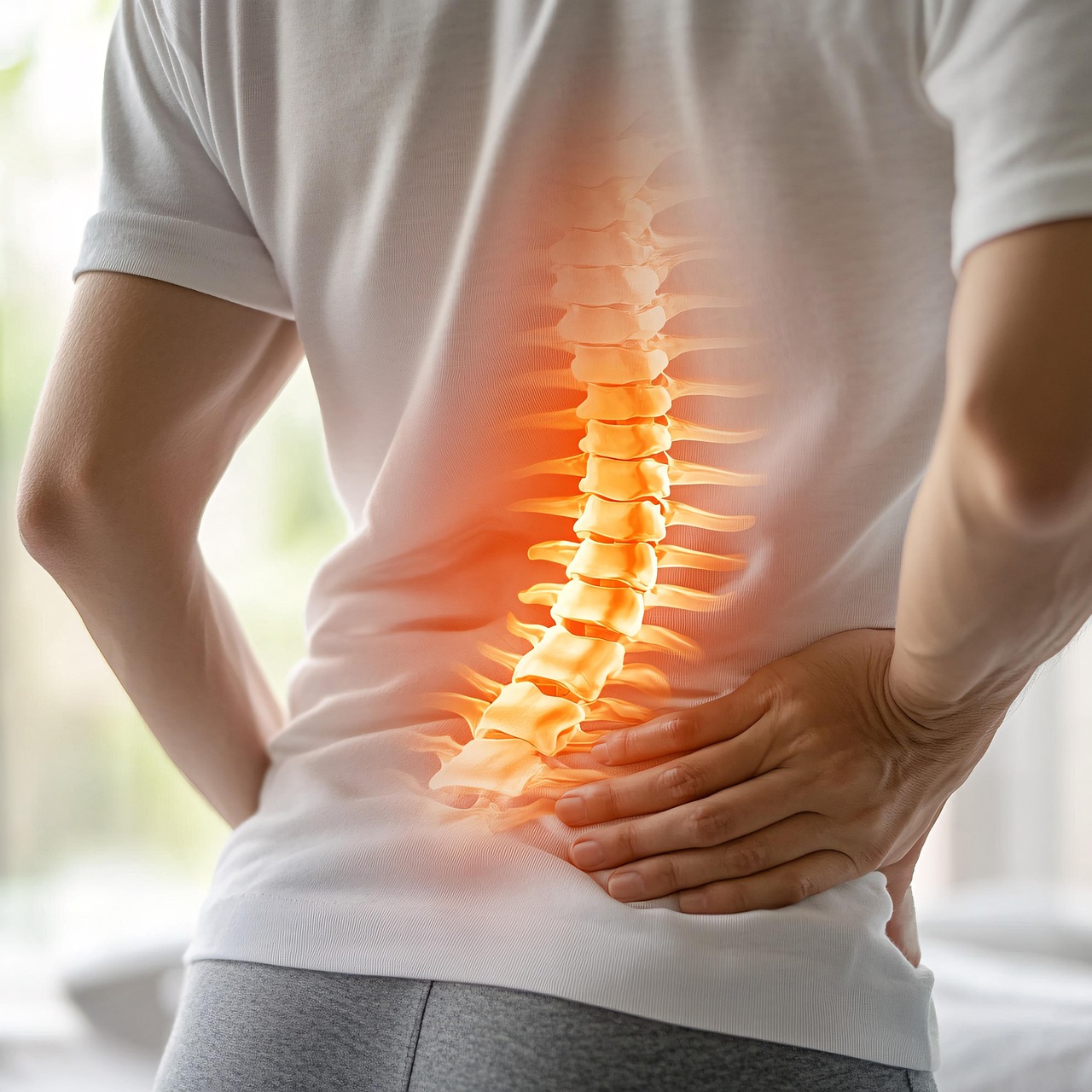

Guided Meditation and Relaxation for Lower Back Pain Relief
Lower back pain is a common issue affecting millions worldwide, often resulting from poor posture and inadequate ergonomics. In addressing this discomfort, guided meditation serves as an effective tool for fostering relaxation and enhancing overall well-being. By allowing individuals to connect deeply with their bodies, meditation aids in recognizing tension areas, particularly in the lower back. This practice encourages the release of physical and emotional stress, leading to both mental clarity and improved body awareness. Moreover, consistency in meditation can help build resilience against pain episodes, making everyday tasks feel more manageable. To begin your journey, set aside a peaceful space where you feel secure and undistracted. Consider incorporating soothing music or nature sounds to enhance your atmosphere. It’s important to focus on your breath, allowing inhalation and exhalation to become a rhythmic cycle. Gradually, move your awareness to the sensations within your lower back, acknowledging any tightness or discomfort. This mindfulness approach not only alleviates immediate sensations but also empowers you to make conscious changes to your posture and daily habits.
In addition to meditation, integrating relaxation techniques can significantly aid lower back pain relief. One effective method is progressive muscle relaxation, which focuses on tensing and subsequently releasing various muscle groups. This process helps individuals identify areas of tension and promotes a sense of relaxation throughout the body. Start by getting comfortable in a seated or reclined position. As you breathe deeply, tense the muscles in your lower back for a few seconds, then release, noticing the relief that follows. Repeat this process with different muscle groups surrounding the back, such as your abdominal muscles and legs. Incorporating gentle stretches into your routine can also alleviate built-up tension. Activities like yoga or tai chi integrate mindfulness with physical movement, thus positively impacting posture and building strength in stabilizing muscles. Moreover, ensuring that ergonomics in your workspace are optimized is crucial. Adjusting your chair height, using lumbar support, or taking periodic breaks to walk can help maintain spinal alignment. These strategies combined with guided meditation create a holistic approach to managing and preventing lower back pain.
Creating the Right Environment
Establishing a calming environment is essential in facilitating effective meditation sessions for lower back pain relief. Start by choosing a dedicated space in your home that fosters tranquility and relaxation. This area should ideally be free from distractions, including electronic devices and excessive noise. Consider using comfortable seating options such as yoga mats, cushions, or supportive chairs that promote good posture while meditating. You may choose to dim the lights or use candles, as soft illumination can contribute to a peaceful ambiance. Incorporating essential oils or scented candles can also enhance the sensory experience. Scents like lavender, chamomile, or eucalyptus are known for their calming properties, further aiding relaxation during your sessions. Feel free to sprinkle in personal touches, such as artwork, calming images, or plants that resonate with you. Additionally, having a consistent meditation space helps signal your mind that it is time to unwind. As you practice regularly in this setting, your body will start associating this environment with relaxation and relief from discomfort in the lower back.
A crucial aspect of relief from lower back pain via meditation is the importance of mindfulness. Engaging in mindfulness allows individuals to develop a deeper awareness of their body movements and postural habits. Simple everyday activities like sitting, standing, or walking can be approached with a meditative mindset. Throughout your day, consciously check in with your body, noticing any signs of strain or tension, especially in the lower back. When you identify discomfort, take a moment to adjust your posture if possible and use breathing techniques to ease tension. Small changes, such as standing tall with shoulders relaxed or ensuring that your lower back is supported while seated, can drastically improve overall comfort. To encourage a culture of mindfulness, set reminders to pause during your day. These breaks can help assess your body’s needs and implement adjustments as necessary. Integrating mindfulness into your lifestyle not only facilitates pain relief but also promotes long-term health benefits. Ultimately, the goal is to cultivate awareness and connection between the mind and body, leading to greater resilience against future discomfort.
Complementing Guided Meditation with Physical Therapy
For optimal results, combining guided meditation with physical therapy can create a comprehensive approach to managing lower back pain. Physical therapists can assess individual needs, offering tailored exercises aimed at strengthening the core, which supports the spine. These exercises may include stability and flexibility training, essential for maintaining good posture and preventing pain. Guidance from a certified therapist ensures that movements are performed safely, effectively reducing the risk of exacerbating discomfort. Many individuals find that integrating physical therapy sessions with regular meditation practices reinforces relaxation and heightens body awareness. As therapy focuses on physical challenges, meditation simultaneously addresses mental stressors, creating a complete environment for healing. It’s also beneficial to communicate with both your therapist and meditation guide regarding your experiences, ensuring that your approach remains holistic and adaptive. Consider keeping a journal to track progress in both areas, noting improvements and challenges faced in your journey toward relief. As you cultivate these practices, you’ll likely find a decrease in pain levels along with increased mobility and a renewed sense of vitality in daily activities.
An essential part of your journey toward lower back pain relief involves self-care strategies. Establishing a routine that encompasses meditation, physical exercises, and healthy lifestyle choices can significantly influence your overall well-being. Regular hydration is crucial, as staying well-hydrated supports muscle function and spinal health. A balanced diet rich in anti-inflammatory foods can have positive effects on recovery, reducing systemic inflammation that contributes to pain. Foods like berries, fatty fish, and leafy greens are excellent choices. Prioritize sleep quality as well; restorative rest plays a vital role in how your body heals. Maintaining a consistent sleep schedule and creating a calming bedtime routine can help. Incorporating restful activities such as reading or gentle stretching before bedtime can improve both relaxation and sleep quality. Lastly, consider adding mindfulness practices beyond meditation, such as journaling or grounding exercises, to foster awareness of your body’s needs continuously. Embracing self-care not only supports physical healing but also nurtures mental and emotional aspects, creating a powerful synergy that facilitates long-term relief from lower back pain.
Finding Community Support
Joining community support networks for individuals experiencing lower back pain can significantly enhance your healing journey. These groups often encourage sharing experiences, offering valuable insights and coping strategies. Connecting with others who understand your challenges contributes to a sense of belonging and reduces feelings of isolation. Many communities facilitate resources such as workshops, informational sessions, and group discussions centered around pain management through guided meditation and ergonomics. Participating in group meditation sessions can also amplify the experience, allowing collective energy to enhance relaxation. Many individuals report that practicing alongside others creates a shared sense of commitment and motivation toward mindfulness practices. Look into local wellness centers, online forums, or social media groups focused on pain relief, where you can gain support and inspiration. Sharing experiences with others not only helps individual healing but also encourages a culture of caring and understanding. Embracing community support fosters a collaborative approach, reinforcing the notion that healing can be enhanced through shared efforts and mindfulness, improving both mental resilience and physical comfort as you embark on your journey toward relief.
Lastly, it’s important to recognize that the journey to relief from lower back pain is ongoing, and everyone’s path is unique. Regular practice of guided meditation, physical therapy, and incorporating healthy lifestyle choices can yield profound benefits over time. Be patient and compassionate with yourself as you navigate this journey, acknowledging the small victories while addressing setbacks. Remember that progress may be gradual, but maintaining consistency in your efforts will lead to tangible improvements. Don’t hesitate to consult healthcare professionals for personalized advice, creating a roadmap tailored to your specific needs. Engage in open discussions with healthcare providers about your meditation practices and any changes experienced in pain levels. They can help you refine your approach towards both meditation and ergonomic practices tailored to your lifestyle. Additionally, set realistic goals and celebrate each achievement on your healing journey. Whether it’s incorporating a new stretching routine into your day or experiencing a reduction in pain, acknowledging progress fosters motivation. Remain curious about your body, exploring various techniques and modalities to enhance relief. Ultimately, your commitment to self-care and mindfulness will pave the way for a more fulfilling life without the constraints of lower back pain.