
Tracking Heart Rate Zones During HIIT Workouts
High-Intensity Interval Training, or HIIT, is an effective workout strategy that raises your heart rate. Tracking heart rate zones during these workouts is important for optimizing performance. Understanding heart rate zones can greatly influence how effectively you train and maximize your results. To refine your HIIT regimen, invest in a heart rate monitor or fitness tracker. These devices provide real-time data on your heart rate, allowing for more personalized improvements throughout your workouts. The goal is to reach and sustain specific heart rate zones. Each zone corresponds to various intensity levels and contributes uniquely to endurance, strength, and fat loss. Ideally, your intervals should push you into higher zones, while rest periods allow recovery in lower ones. An efficient HIIT session alternates between these intervals effectively, leading to improved fitness. It’s essential to balance high-intensity bursts with recovery to maintain form and prevent injury. Therefore, proper tracking of heart rate zones offers clear insights for adjustments and progress monitoring. A consistent approach to tracking enhances your training experience, maximizing outcomes while ensuring a safe workout environment for long-term fitness goals.
To better understand your performance during HIIT, you need to know the percentage of your maximal heart rate (MHR). Typically, the general target heart rate zones for HIIT workouts are divided into five categories. Zone one consists of 50-60% of your MHR, often referred to as the light activity zone, ideal for warm-ups and cooldowns. Zone two, which ranges from 60-70%, is known as the moderate activity zone, perfect for active recovery. Zone three spans 70-80%, considered the aerobic zone, where fat oxidation occurs most efficiently. Zone four covers 80-90%, embodying the anaerobic zone, essential for building endurance and strength. Lastly, zone five, exceeding 90%, serves as the maximum effort zone, where high-intensity intervals reside. It’s vital to structure your HIIT workouts through these zones to enhance cardiovascular capacity. Each zone has distinct benefits, so employing a mix during your workouts can lead to comprehensive fitness improvements. Advancing through different zones pushes your fitness limits and prepares you for various physical challenges, making workouts interesting and engaging.
Utilizing Heart Rate Monitors
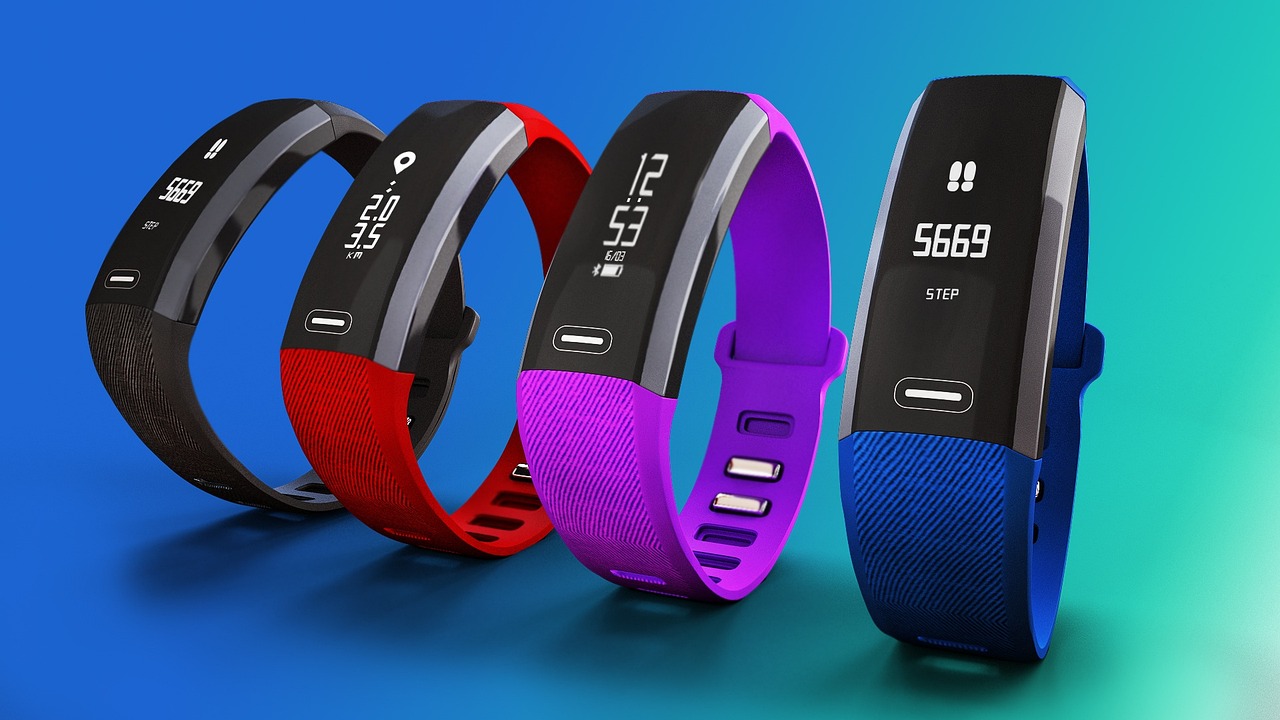
Heart rate monitors are invaluable tools for effective HIIT training. Equipped with advanced technology, these devices track your heart rate continuously, providing vital feedback during workouts. Some of these devices are wrist-based, while others utilize chest straps, offering varying accuracy levels. When wearing a heart rate monitor, aim to adjust workout intensity according to the data received. If your heart rate dips too low, consider increasing exertion to enter higher intensity zones. Conversely, if your heart rate is too high, reduce the intensity to maintain a safe effort level. Many fitness apps integrate with heart rate monitors, providing visual feedback and logs for tracking performance trends. Evaluating these trends helps you understand your limits, refine your training approach, and set realistic goals. Make sure to calibrate your heart rate monitor before prolonged usage to guarantee precision. Moreover, review the stored data after workouts to track improvements over time. Analyzing your heart rate patterns during HIIT helps prevent plateaus, ensuring continued progress in your fitness journey.
Another key aspect of tracking heart rate zones in HIIT is understanding the recovery phases. Recovery is a crucial part of HIIT workouts, allowing your body to adapt and rejuvenate between intense intervals. While maximizing effort in high-intensity bursts is essential, deliberately monitoring your heart rate during recovery periods helps gauge fitness improvements over time. A well-structured recovery interval involves allowing your heart rate to fall within a specific zone before commencing another high-intensity burst. Ideally, aim to return to zone two or three within a set time frame. This indicates improved cardiovascular fitness, showcasing your body’s efficiency in managing and recovering from exertion. During recovery, focus on controlled breathing and light movements to expedite the heart rate’s return to normal levels. Additionally, consider incorporating dynamic stretches during these intervals, recharging the muscles for the next intense segment. Effective monitoring of recovery will lead to better performance in subsequent intervals and diminish the risk of injury. Understanding these recovery dynamics effectively enhances the efficacy of HIIT workouts while empowering you to recognize your constructions and capabilities.
Adjusting Workouts Based on Heart Rate Data
As you track heart rate zones, it’s important to make adjustments based on collected data. This process can impact your overall workout effectiveness significantly. After regularly analyzing your heart rate statistics, identify patterns that require modifications in your training approach. If you find that you’re consistently exceeding your target heart rates, consider slight alterations to your intervals to ensure sustained performance without injury risk. On the contrary, if you’re not reaching desired heart rates, amplify the intensity levels of your exercises. Customizing your workouts according to the heart rate feedback promotes continual progression. Moreover, set long-term and short-term goals tied to your heart rate benchmarks. These objectives serve as extra motivation and can drive you to challenge yourself further. While refining your workouts, remain open to adjusting your expectations as your body adapts to increased demands. This dynamic approach ensures that your fitness lifestyle evolves in tandem with your growing capabilities and ambitions. Consistency in tracking translates into enhanced results, showing how crucial heart rate zone monitoring is for achieving long-lasting fitness outcomes.
Incorporating cross-training into your routine can also assist in utilizing heart rate zone tracking effectively. By engaging in diverse forms of exercise, you challenge different muscle groups and cardiovascular systems, promoting holistic fitness. Cross-training not only helps in injury prevention but also allows for more effective heart rate management across various activities. Engaging in other forms of cardio, strength training, and flexibility work can yield better overall conditioning, enabling improved performance during HIIT sessions. Tracking your heart rate during these varied workouts helps you understand how your body reacts under different intensities. A well-rounded training program increases motivation levels and sustains excitement about fitness. Regularly integrating cross-training while continuing to analyze your heart rate data leads to a better understanding of your unique fitness profile. It can guide you in finding activities that suit your likes and preferences, making your workouts both enjoyable and productive. Turn your attention to structure and diversity to keep your training stimulating, pushing toward enriching experiences and sustainable fitness journeys.
Final Thoughts on HIIT and Heart Rate Tracking
Tracking heart rate zones during HIIT workouts is instrumental in maximizing performance and gaining profound fitness advantages. By understanding and analyzing how your body reacts under various intensities, you can refine your exercise routine accordingly. The monitoring practices outlined enable you to improve your cardiovascular capacity systematically. Additionally, employing heart rate monitors, recognizing recovery times, making adjustments, and incorporating cross-training will elevate your fitness journey. When you stay proactive about tracking your heart rate, your workouts transform into a focused experience with measurable results. As you navigate your HIIT journey, consider establishing a community or finding a workout partner to share insights, challenges, and victories. Sharing experiences can be incredibly motivating and keeps you accountable. In time, the ability to customize your training based on heart rate tracking can lead to significant improvements in endurance, strength, and overall wellness. Implement these techniques as you continue your HIIT journey, persisting in your pursuit of improved fitness while reflecting on progress, learning, and growth.
The final consideration is making the tracking process enjoyable. Find a method that resonates with you and allows you to engage with the data effectively. Utilizing fitness apps, attending group classes, or exploring competitive exercises can enhance accountability and excitement, adding layers of enjoyment to your workouts. Tools like workout journals or visual progress charts can convert data into inspirational insight, motivating continual effort and improvement. You may want to explore platforms that create fitness challenges using heart rate data, pushing you toward achieving goals as part of a community. By combining these tracking techniques with your personal interests, you position yourself for long-term adherence to your HIIT endeavor. Most importantly, have fun while prioritizing your health and fitness! Embrace the journey, celebrate small victories, and remember that every improvement counts. Ultimately, enhancing your knowledge and application of heart rate zones during HIIT workouts can pave the way for a balanced and gratifying fitness lifestyle. Personalizing your training by addressing your preferences and limitations will empower you to pursue your fitness aspirations with enthusiasm and commitment.