
How to Adjust Exercises for Different Ability Levels Safely in Seniors
As the aging process begins, it becomes crucial to understand how to modify exercises effectively for all seniors. Different ability levels can significantly impact the way exercises are performed. Ensuring that seniors engage in physical activity safely is vital for their overall health and quality of life. This involves taking their physical condition and any existing health issues into account while designing exercise programs. By categorizing seniors based on their ability levels, trainers can create tailored routines that promote physical activity without risking injury. Each exercise program should aim for sustainability, encouraging consistency without overwhelming the senior participant. It is also essential to educate on exercise safety guidelines, including warm-up and cool-down routines, to help in preventing injuries. Communication between trainers, caregivers, and seniors themselves should be open and informative. This way, seniors can express their feelings during the exercise, enabling adjustments as needed. Ultimately, empowering seniors to maintain independence while exercising is paramount, as this not only fosters physical health but also enhances mental well-being. Performing safe modifications can lead to lifelong fitness habits.
Understanding senior fitness levels is integral for creating effective exercise programs. Trainers need to assess each individual’s health status, mobility, flexibility, and strength before initiating any fitness regime. This assessment process often involves a review of medical history, physical evaluations, and even fitness tests tailored for seniors. It’s crucial to note that not all seniors will fall into the same ability category. Seniors may be classified into different groups, such as those with chronic conditions, recent surgery recovery, or those engaged in regular physical activity. Some may require gentle exercises, such as stretching and seated movements, while others may partake in moderate activities like walking and resistance training. Another vital factor is the senior’s personal preferences and past experience with fitness. By integrating enjoyable activities into the routine, seniors are more likely to stick with their program over time. Such personalized approaches significantly reduce the likelihood of injuries and increase motivation levels. Additionally, trainers should continuously evaluate and modify exercises as seniors progress to ensure the continued relevance and safety of the regimen.
Exercise Modification Techniques
Modifying exercises involves numerous techniques that ensure safety while promoting engagement for seniors. Whether it involves changing the intensity, duration, or type of exercise, each element requires careful consideration. For instance, if a senior struggles with balance issues, seated exercises can provide a solid starting point. Additionally, using resistance bands or light weights can help build strength without putting too much stress on the joints. Also, instead of traditional squats, practicing partial squats or chair stands may be beneficial, as these can strengthen the legs safely. Another effective approach is to incorporate stability aids like chairs, walls, or balance balls to enhance safety while performing exercises. Proper posture and form during exercise are also paramount. Reminders about maintaining alignment can prevent injuries and increase the effectiveness of movements. Breaks during workouts should never be overlooked, given that fatigue can pose risks during exercise. Adjusting the workout environment to minimize distractions and hazards can vastly improve the overall experience. Overall, the key is to encourage participation with modifications that suit individual ability levels.
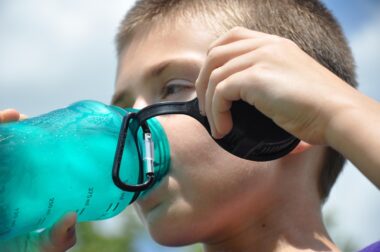
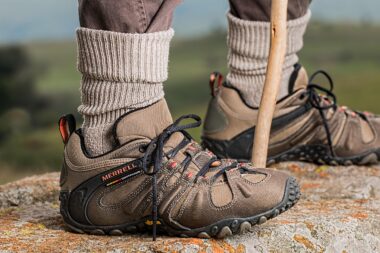
Safety in exercise for seniors goes beyond just modifications; it encompasses awareness of environmental factors as well. The exercise space should be designed to accommodate those with limited mobility effectively. This means ensuring that the area is free from obstacles, well-lit, and has comfortable temperatures. Additionally, seniors should be educated on what to look for when recognizing signs of fatigue or discomfort. A clear understanding of their own body signals, such as breathlessness, pain, or dizziness, is key for seniors to self-regulate their exercise intensity. Implementing persistent check-ins during workouts can aid trainers in monitoring participants closely, allowing for immediate adjustments or breaks as needed. Furthermore, selecting appropriate footwear and clothing can drastically influence the safety of exercise. Shoes with suitable grip and support can prevent falls, while comfortable clothing allows for greater freedom of movement. Seniors should also stay properly hydrated before, during, and after workouts, as even mild dehydration can lead to fatigue and disorientation. Adopting a holistic view on exercise safety will significantly enhance seniors’ positive experiences.
Strengthening and Flexibility
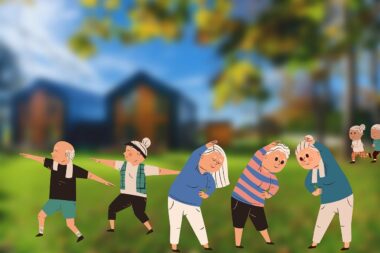
Prioritizing strength and flexibility is paramount in fitness routines for seniors. Strength training has numerous benefits such as improving muscle mass, maintaining bone density, and enhancing overall stability. Simple exercises that involve body weight, like wall push-ups or leg lifts, help build strength effectively. It’s essential to start with lighter weights and gradually increase resistance as strength improves. By focusing on major muscle groups, seniors can experience comprehensive fitness benefits, including better balance and functionality in daily tasks. Flexibility exercises, on the other hand, ensure that seniors maintain their range of motion, which is critical for avoiding injuries. Incorporating gentle stretching routines into the warm-up and cooldown phases of workouts can enhance flexibility and muscle recovery significantly. Techniques like yoga and tai chi also promote flexibility while providing additional benefits like relaxation and stress relief. Considerations such as individual comfort levels and injury history should guide exercise selection. Maintaining a regular practice of both strength and flexibility exercises allows seniors to stay active and engaged throughout their golden years.
Ultimately, community and social interaction play pivotal roles in encouraging seniors to participate in fitness programs. Group classes designed specifically for seniors can foster a sense of belonging and camaraderie among participants. There is also accountability in group settings that promotes reliability and consistency in attendance, which can be powerful motivators. Shared experiences during exercise, laughter, and personal anecdotes can significantly contribute to the mental and emotional well-being of seniors. Beyond physical benefits, exercising in a community offers social interaction and can alleviate feelings of isolation among seniors. Regular meet-ups can also become a celebration of progress and transformation, providing a platform for sharing achievements and challenges. Classes that incorporate fun activities like dancing or walking clubs encourage movement without the pressure of formal exercise. Trainers facilitating these classes should focus not just on the workout, but on fostering friendships and partnerships. Engaging seniors within a supportive fitness environment can lead to long-lasting routines and overall higher satisfaction in their journey toward fitness.
Conclusion and Next Steps
In conclusion, safely adjusting exercises for different ability levels in seniors is a continuous journey requiring attentiveness and understanding. The key to building effective exercise programs lies in personalized modifications, safety awareness, and fostering community among participants. Monitoring progress and making necessary adjustments will enhance individual outcomes, making all the difference in maintaining engagement and participation. Initiating this journey requires commitment from trainers, caregivers, and the seniors themselves. It’s also vital to compile resources such as instructional videos and printed guides that can aid in the ongoing learning process. Stay updated on best practices and engage in regular training workshops to hone skills in working with seniors. Furthermore, encouraging seniors to set their personal fitness goals will inspire enthusiasm and investment in their health. The journey to fitness can be rewarding, elevating seniors’ physical and mental well-being. As you move forward, keep in mind that everyone’s journey is unique, so adaptability and encouragement are crucial. Ultimately, the goal is to empower seniors and successfully enrich their lives through safe, enjoyable physical activity.
Taking the first steps to enhance fitness levels among seniors requires thoughtfulness and dedication. Important considerations include consulting with healthcare professionals and listening to participants’ needs. Making informed decisions about exercise regimens will promote positive outcomes. Engaging in regular assessments will not only track progress but also identify adjustments or new goals as participants evolve. This dynamic fitness environment fosters creativity and innovation in developing exercises tailored for seniors. Ultimately, the supporting network of trainers, caregivers, and fellow seniors creates a buoyant fitness culture. Always remember to celebrate small milestones, as they motivate ongoing efforts. By approaching senior fitness with compassion and respect, we can truly make a difference in their lives, paving the way for healthier, more engaged, and fulfilling lives.