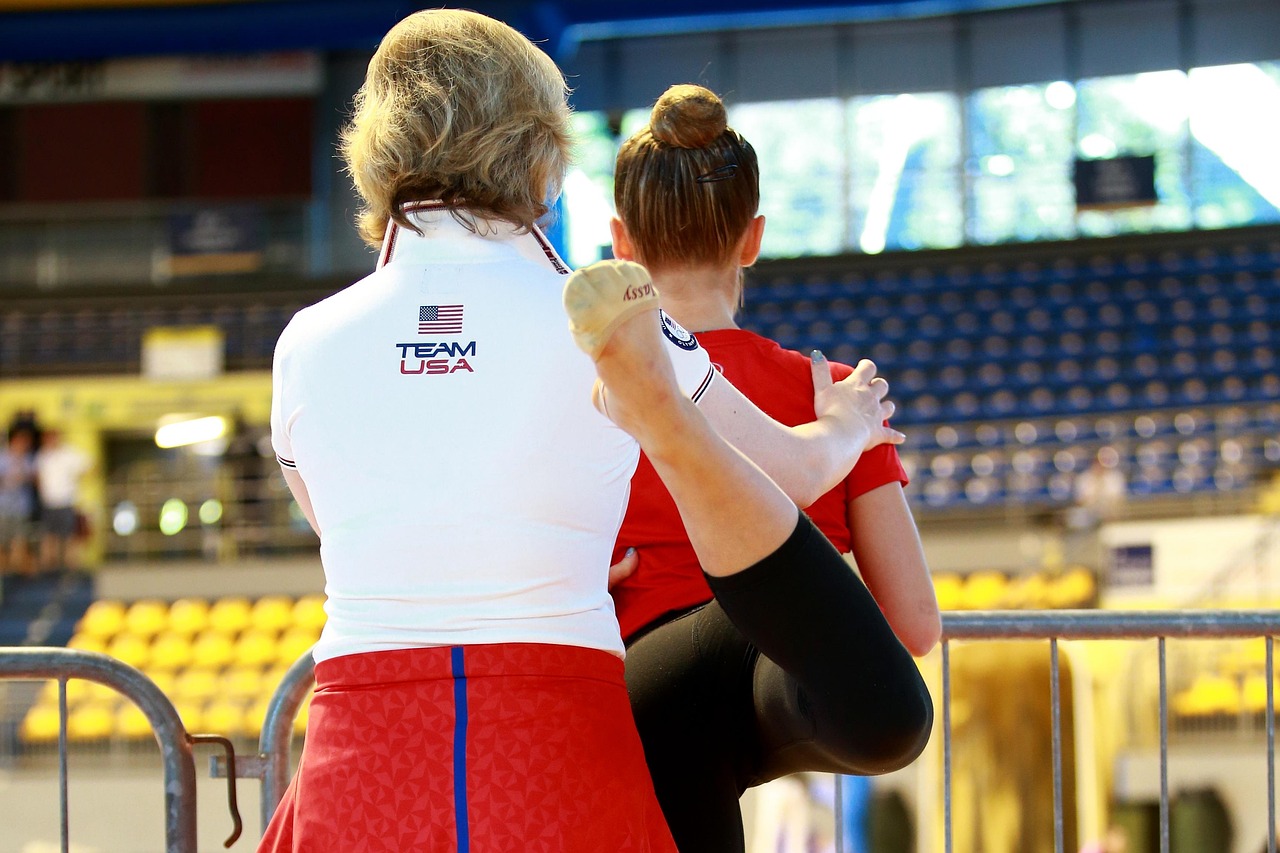

The Impact of Core Strength on Tumbling and Vaulting
Core strength is essential in gymnastics, particularly influencing tumbling and vaulting performance. A well-conditioned core helps gymnasts maintain stability and balance during complex movements. Core conditioning focuses on the muscles surrounding the pelvis, lower back, abdomen, and hips. These muscle groups work together to create a solid foundation for executing various gymnastic skills. Increasing core strength enhances not only athletic performance but also reduces the risk of injury. Strong core muscles help gymnasts control their body movements better, especially when achieving and maintaining vertical alignment during tumbles. This improved control is crucial for landing safely after vaults and flips. Coaches and trainers emphasize core training for gymnasts of all skill levels. Exercises like plank variations, leg raises, and stability ball workouts can be incorporated into training regimens. Developing a strong core is vital for all gymnastic events, particularly during tumbling passes. An effective core workout emphasizes different muscle groups through strategic exercise selection. More than just improving performance, core strength is fundamental in developing overall body awareness. When gymnasts lead with their core, they can achieve better posture and enhance performance quality.
In addition, core strength plays a pivotal role in maintaining proper body positioning during vaulting. Gymnasts rely on explosive power to propel themselves off the vaulting horse. This forward momentum is supported by powerful core muscles that enable effective trunk stabilization. When a gymnast runs towards the vault, a strong core can help maintain optimum speed while facilitating proper height and rotation in the air. The connection between core strength and successful vaulting techniques cannot be overstated. A robust core allows for controlled landings, which are crucial in competitive gymnastics. Landings can make or break a routine’s overall score, and gymnasts must practice landing techniques consistently. Drills focusing on core strength contribute to improved performance during both practice and competition. Moreover, maintaining a focused core alignment ensures that gymnasts stay in the correct position and speed while approaching the vault. Gymnasts often engage in specific core strengthening exercises, like medicine ball throws and hollow body holds, to build this essential strength. The cumulative effects of these exercises lead to impressive advancements in gymnastics skills, especially tumbling and vaulting.
Research has demonstrated that athletes with stronger core muscles are more successful in executing advanced tumbling moves. For gymnasts, this translates to higher levels of performance and proficiency in their routines. Enhanced core stability allows for the execution of flips, twists, and complex body positions with more confidence and control. This can significantly improve a gymnast’s overall scoring potential during competitions as judges reward difficulty and execution. Moreover, gymnasts who have focused on core conditioning can maintain correct body lines and postures throughout their routines. This attention to detail positively influences not only aesthetics but also safety during high-risk maneuvers. An effective core workout incorporates elements of isometric strength, dynamic stability, and flexibility. By integrating these elements, gymnasts can develop more comprehensive core strength. Coordinating with coaches, athletes identify areas where they may exhibit weakness and customize their training accordingly. The result is enhanced performance not only in tumbling but also across all gymnastic disciplines. As progress is measured, gymnasts will likely discover their tumbling abilities advancing due to improved core conditioning.
Integrating Core Conditioning into Training
To achieve optimal performance, integrating core conditioning exercises into gymnastic training programs is essential. Coaches can create focused workouts that emphasize core strength, flexibility, and endurance. Consistency in these workouts ensures that gymnasts experience continuous improvement in their core strength. One effective approach is to incorporate core workouts into regular practices at least twice weekly. This consistent emphasis on the core will help gymnasts progress steadily in their routines. Additionally, the use of various tools and equipment, like stability balls and resistance bands, can enhance core training effectiveness. These tools create an unstable environment, forcing core muscles to engage more actively. Gymnasts can perform exercises like stability ball rollouts and resistance band rotations to target their core from multiple angles. Developing core strength should not be limited to gym sessions, but gymnasts can also perform supplemental workouts at home. Stretching and strengthening should never be overlooked, as flexibility also greatly affects gymnastics performance. Balance and core strength go hand in hand, leading to improved execution of gymnastic skills and increased confidence in their abilities.
The mental benefits of core conditioning should not be underestimated. Strengthening the core can lead to increased confidence among gymnasts, enabling them to take more risks during training and competitions. As they become more proficient in stabilizing their bodies, fears of falls and injuries may diminish. The knowledge of having a strong core serves as a psychological boost that can encourage gymnasts to tackle more challenging skills. Furthermore, practicing core strengthening techniques fosters a deeper mind-body connection. This heightened awareness can play a crucial role in perfecting form and precision. Gymnasts who understand their body’s movements develop better control over their skills and routines, which can lead to impressive scores. The benefits of core strength extend beyond the gym into daily life, influencing posture and stability. Consequently, gymnasts become well-rounded athletes with cross-training opportunities. Continued focus on core conditioning is vital for success, not just in gymnastics, but in other sports as well. With core strength at the forefront of athletic training, gymnasts nurture the foundation necessary for achieving remarkable feats.
Long-Term Benefits of Core Conditioning
The long-term benefits of emphasizing core conditioning during gymnastics training are profound. Gymnasts who invest time in building core strength are likelier to enjoy longer, more successful careers in the sport. This proactive approach to physical conditioning often results in fewer injuries and prolonged participation in gymnastics. Improving core strength not only benefits performance during competitions but also enhances daily training sessions. With core conditioning, gymnasts can recover more efficiently and avoid performance plateaus. As athletes grow older, the importance of maintaining core strength will not decrease but rather increase with age. Continuous engagement in core workouts prepares athletes for the future, especially as their bodies evolve. Older gymnasts continue performing at elite levels due to robust core strength, leading to a healthier lifestyle in the long run. The benefits of core conditioning extend beyond the mat; increased core strength supports overall athletic development. Cross-training in related sports can help gymnasts maintain core strength and improve other skills. Focusing on core strength allows athletes to build a foundation for lifelong fitness and wellness.
In conclusion, core strength is a game-changer for gymnasts involved in tumbling and vaulting. Integrating specific core conditioning techniques into gymnastics training regimens leads to marked improvements in performance. The emphasis on core strength enhances stability, control, and confidence in gymnasts. As athletes implement core exercises regularly, the results can be seen both in practice and competition settings. Gymnasts who develop strong cores set themselves apart, contributing to their success in various events. The connection between a powerful core and superior performance is undeniable. Coaches should prioritize core conditioning in their training to maximize their athletes’ potential and minimize injury risks. As the sport of gymnastics evolves, so too does the emphasis on overall physical conditioning. Developing a well-rounded training program requires a focus on core strength. Finalizing thoughts center on the necessity of core conditioning for long-term athletic success. Without neglecting other physical aspects, creating a balanced program will foster growth and excellence in gymnastics disciplines.
In conclusion, core strength is a game-changer for gymnasts involved in tumbling and vaulting. Integrating specific core conditioning techniques into gymnastics training regimens leads to marked improvements in performance. The emphasis on core strength enhances stability, control, and confidence in gymnasts. As athletes implement core exercises regularly, the results can be seen both in practice and competition settings. Gymnasts who develop strong cores set themselves apart, contributing to their success in various events. The connection between a powerful core and superior performance is undeniable. Coaches should prioritize core conditioning in their training to maximize their athletes’ potential and minimize injury risks. As the sport of gymnastics evolves, so too does the emphasis on overall physical conditioning. Developing a well-rounded training program requires a focus on core strength. Finalizing thoughts center on the necessity of core conditioning for long-term athletic success. Without neglecting other physical aspects, creating a balanced program will foster growth and excellence in gymnastics disciplines.