
Office Chair Ergonomics: Preventing Back Injuries at Work
Many employees spend extensive hours sitting at their desks, increasing the risk of back injuries associated with poor posture. Office chair ergonomics is crucial for maintaining spinal health and preventing discomfort during work hours. An ergonomic chair offers tailored support, allowing for proper alignment of the spine. Choosing the right chair means considering adjustable features including seat height, lumbar support, and armrests. The most beneficial chairs promote an open hip angle, as this can minimize strain on the lower back. Employees should also invest time in adjusting their chairs to fit their unique body types. Furthermore, regular breaks for standing or stretching throughout the day are essential for reducing muscle tension and improving posture. This not only helps prevent back injuries but also boosts productivity. Awareness of proper posture while seated is as vital as a good chair. Visual reminders and simple stretching exercises can support healthy habits. In conclusion, selecting an ergonomic office chair, adjusting it properly, and maintaining awareness of posture plays a significant role in preventing back injuries in the workplace.
The Importance of Good Posture
A critical aspect of preventing back injuries is maintaining good posture throughout the workday. When sitting, the spine should ideally maintain its natural curves, preventing excess strain on the back muscles. Many individuals are prone to slouching when sitting for extended periods, resulting in dangerous pressure on the spinal discs. To promote good posture, it is important to sit back fully in the chair, utilizing the lumbar support. This helps to stabilize the lower back while keeping the spine aligned. Additionally, feet should rest comfortably on the floor or a footrest, further enhancing posture. Wrists should also be kept straight while using a keyboard or mouse to avoid strain. Consider adjustable features such as tilting the backrest slightly backward to alleviate pressure on the spinal discs. Incorporating ergonomic accessories, such as keyboard trays or monitor risers, can enhance overall setup. By fostering good habits and awareness of posture, employees can significantly reduce their risk of back injuries during their working hours. Over time, these practices can lead to increased comfort, better focus, and improved overall well-being.
Equally important in preventing back injuries is the significance of regular movement and breaks from sitting. Prolonged sitting can lead to decreased blood circulation, muscle stiffness, and increased discomfort. Creating a schedule for short breaks is crucial in ensuring that employees can stand and stretch their muscles. These mini-breaks can be short and effective—just a couple of minutes to stand up, walk around, or do gentle stretches. Some companies have instituted walking meetings or encouraged desk stretches, which can also foster team bonding. Implementing a standing desk is another option that promotes a more dynamic working environment. Standing desks can reduce the time spent in a seated position, which may ultimately lessen back pain. It is essential to alternate between sitting and standing to keep the body moving and avoid stiffness. Frequent movement helps awaken muscles, improve blood flow, and refresh focus. Furthermore, employees should pay attention to their body’s signals and adjust as needed. Neglecting repetitive discomfort can lead to more severe injuries, which can be counterproductive and detrimental to long-term health.
Choosing the Right Office Chair
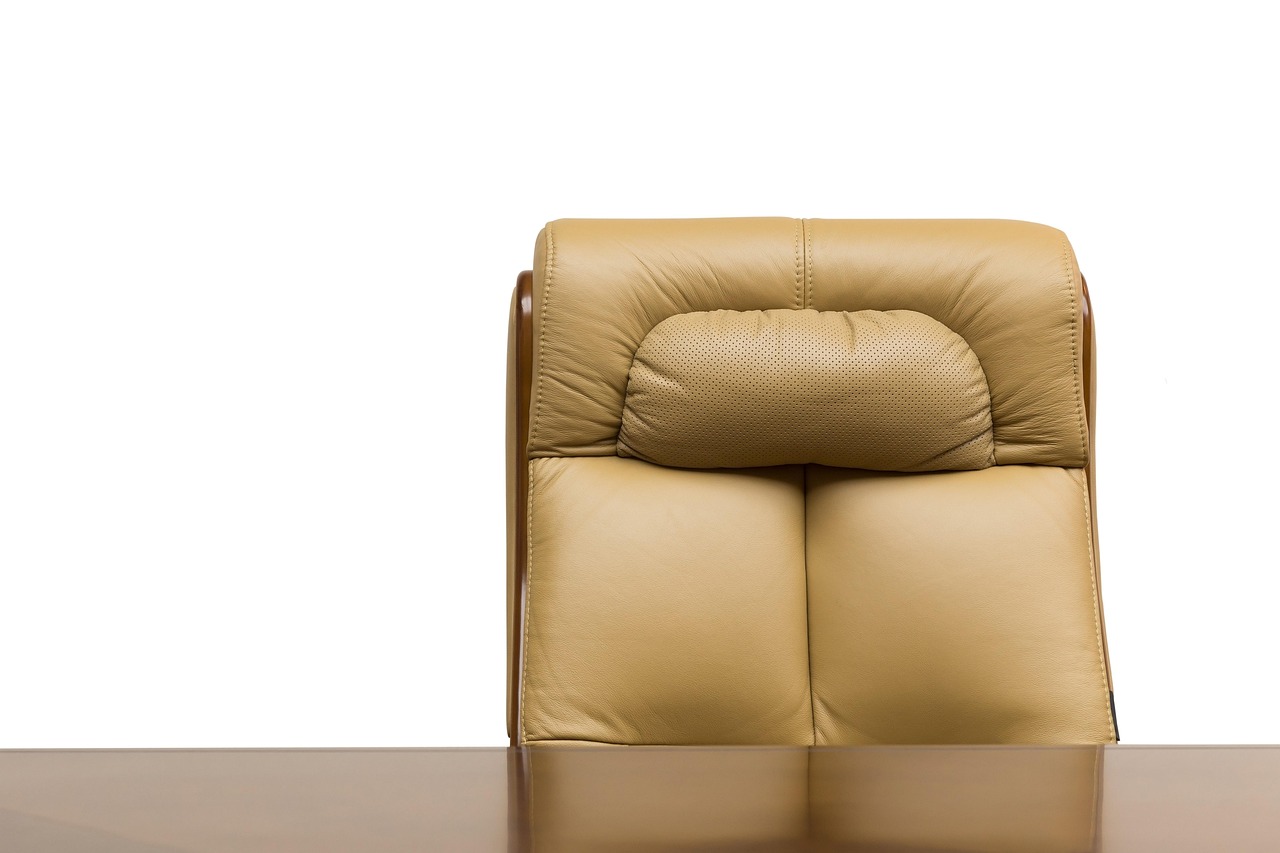
Selection of an ergonomic office chair significantly influences workplace comfort and health. A chair should feature adjustable aspects, such as height, armrests, and lumbar support, to accommodate the user’s unique requirements. Height is particularly crucial; feet should rest flat on the floor to reduce strain on the lower back and legs. Armrests should support the arms comfortably, allowing shoulders to relax. The lumbar support should curve comfortably against the lower back, providing necessary support during extended periods of sitting. Opt for a chair with a variety of adjustments, as individual body sizes and preferences vary greatly. Test chairs before committing, paying attention to how well they promote good posture. Seat depth should allow users to sit back without pressure applying behind the knees. Consider features that allow reclining, enabling shifts between seated positions. Investing in high-quality chairs may seem costly initially, but considering their benefits—reduced discomfort, increased productivity, and decreased health issues—they prove far less expensive over time. Encouragement of correct chair use can further enhance effectivity and the overall well-being of staff.
Your workspace setup is just as crucial for preventing back injuries as selecting the right chair. The arrangement of desks, monitors, and other workplace equipment should prioritize ergonomic principles to create a healthy working environment. A properly positioned monitor—ideally at eye level—can help alleviate neck strain and prevent discomfort. Additionally, ensure that keyboards and mice are at the same level to avoid wrist strain. Monitor distance should allow for comfortable reading without leaning forward. Regularly assess the workspace, adjusting as necessary to ensure that all tools are within reach and at appropriate heights. Invest in good-quality desk dividers if necessary to encourage personal space without compromising posture. Using trays and holders for documents can minimize awkward reaching. Creating a functional workspace enhances not only comfort but productivity. It also empowers individuals to take responsibility for their health while working. Fostering a culture of ergonomics increases awareness among workers about the significance of their environment. Key accountability and open discussions about workplace setup encourage a supportive atmosphere for preventing injuries together among colleagues.
Stretching and Exercises during Work Hours
Encouraging workplace stretches and exercises can enhance employees’ comfort and reduce the risk of back injuries. Stretching helps maintain flexibility and promotes blood circulation, especially after long periods of sitting. Simple stretches can be performed discreetly during break times or while working at the desk. Neck rolls, shoulder shrugs, and seated twists are effective options that can easily be integrated into the work routine. For deeper stretches, consider taking time away from the desk area—standing stretches or simple yoga poses such as the forward bend can offer significant benefits. Implementing short group stretching sessions may encourage team participation and create a more cohesive work environment. Exercise programs can also be introduced; for instance, participating in workplace wellness initiatives can motivate individuals to adopt healthier habits overall. Providing resources, such as online stretching guides or workshops on proper techniques, fosters a supportive work atmosphere. Connecting employees with professional guidance helps them understand the importance of preventive measures against back injuries. Overall, encouraging these practices contributes to a healthier workforce and promotes well-being across the organization.
An essential factor in maintaining ergonomic workplace practices is education. Providing training sessions that emphasize the importance of ergonomics can lead to increased awareness amongst employees. Workshops can equip individuals with valuable knowledge, including proper posture techniques, chair adjustments, and workspace arrangements. Training could also cover the significance of regular movement and stretching, helping to instill lasting habits that promote health. Visual aids around the office can serve as constant reminders, reinforcing ergonomic practices even on busy workdays. Interactive activities involving self-assessments of workstations can help identify areas needing improvement. Encouraging feedback from employees about their experiences with ergonomics can also provide insight into evolving best practices. Making ergonomics a prominent topic during team meetings and workshops fosters open communication about workplace health concerns. Moreover, appointing ergonomic champions can influence the broader team; having designated individuals who advocate for ergonomic practices may encourage their peers to adopt healthier habits. Ongoing evaluations and adjustments to ergonomic programs ensure they meet employee needs. In conclusion, prioritizing education on ergonomics is not only beneficial for employees’ immediate health but can lead to long-term productivity improvements.