
Yoga for CrossFitters: Enhancing Balance and Coordination
CrossFit is a demanding fitness regimen that emphasizes strength, endurance, and high-intensity workouts. For CrossFitters, integrating yoga into their training can significantly improve not just performance but also overall well-being. Yoga offers a unique blend of stretching and strength that complements traditional CrossFit methodologies. Through various poses and breathing techniques, practitioners enhance their agility and flexibility, crucial for performing varied movements in CrossFit. Additionally, yoga aids in muscle recovery, reducing soreness post-workout, which allows athletes to train harder without the risk of injury. Athletes often overlook the importance of mental focus and mindfulness in their physical training. Yoga cultivates these mental attributes, helping CrossFitters develop better concentration and stamina during workouts and competitions. Regular practice can lead to improved coordination as athletes become more aware of their body’s movements and limitations. This holistic approach not only transforms physical capabilities but also fosters a deeper connection to one’s body, aligning both mind and spirit toward peak fitness performance. Embracing yoga can thus serve as an essential tool for balancing the demands of CrossFit and enhancing overall athletic performance.
The Benefits of Balance
In CrossFit, balance is a critical element that can affect performance and safety. Many movements require athletes to stabilize their bodies while lifting heavy weights or jumping. Incorporating yoga into a CrossFit routine enhances balance through postures that challenge one’s stability. For instance, poses like Tree Pose and Warrior III engage the core while promoting concentration and control. This engagement translates into improved performance in CrossFit-specific movements, as athletes learn to control their bodies in different positions. Furthermore, balancing exercises help to identify and correct muscular imbalances that could lead to injury if not addressed. The emphasis on core strength in yoga supports the development of a robust foundation necessary for performing Olympic lifts and dynamic movements. Enhanced balance also increases body awareness, allowing CrossFitters to understand their positioning and avoid misalignments. This awareness is vital not just for effective training but also for preventing injuries. Ultimately, practitioners find that better balance results in increased confidence, allowing them to pursue more challenging workouts and push their limits safely. By incorporating yoga’s balance-focused practices, CrossFitters can leverage their capabilities and achieve personal performance goals.
In addition to balance, yoga offers significant enhancements in flexibility, which is often crucial for CrossFitters engaged in high-intensity workouts. Increased flexibility allows for a broader range of motion, essential for executing exercises distinctly. Many CrossFit movements, such as squats, deadlifts, and snatches, benefit greatly from greater flexibility in both hips and shoulders. Engaging in yoga helps lengthen and stretch tight muscles, improving overall flexibility. Poses such as Downward Dog and Pigeon Pose target essential muscle groups that can tighten through CrossFit training. Many athletes discover that their performance improves substantially as they become more limber. This increased flexibility can help in reducing injury risk, as muscles that are well-stretched are less likely to experience strains or tears during exertion. Moreover, flexibility fosters better posture, which provides advantages during weightlifting, enhancing alignment and reducing chances of misalignment. In situations like these, CrossFitters can focus on form rather than worrying about potential injuries. It’s not simply about stretching; yoga incorporates strength element alongside flexibility, reinforcing the muscles while enhancing length. All these benefits create a powerful synergy, allowing CrossFitters to perform optimally.
Enhancing Coordination through Yoga
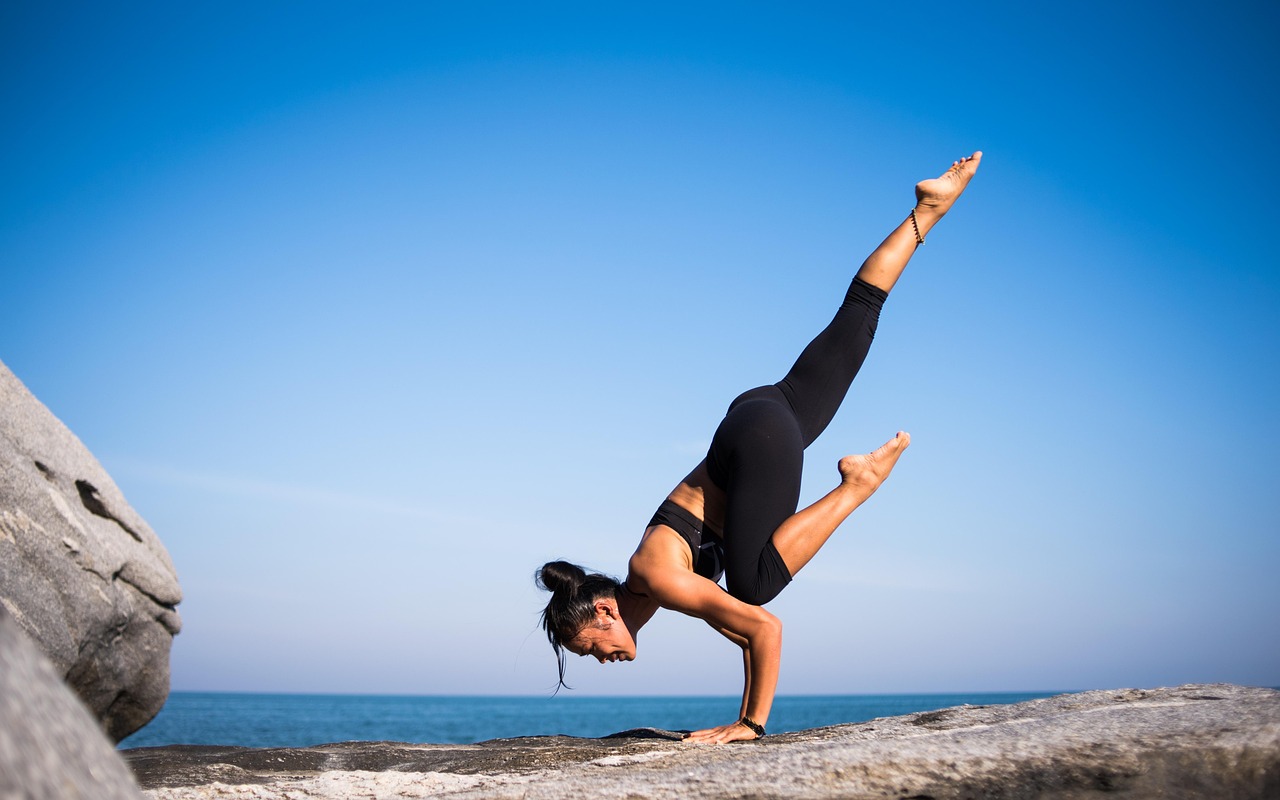
Coordination is another critical fitness attribute in CrossFit training that can benefit immensely from incorporating yoga practices. Good coordination allows an athlete to execute complex movements with precision. Yoga can improve muscular coordination by encouraging synchronization between different muscle groups as performed in various poses. This improvement in coordination is not only beneficial for your workout efficiency but also vital in preventing injuries during high-intensity exercises. Practicing poses like Crow Pose requires balance, strength, and focus, all of which translate into better coordination in CrossFit routines. Additionally, the mindfulness aspect of yoga enhances body awareness, allowing athletes to tune into their movements and adjust accordingly. This heightened awareness leads to more fluid movements and transitions in workouts. Practicing various breathing techniques during yoga helps change how athletes approach their workouts. By learning to control their breath, CrossFitters can enhance their performance, reduce panic during high-pressure situations, and sustain their energy. Ultimately, the integration of yoga fosters a holistic approach to training, allowing for improved coordination, thus elevating athletes’ overall performance.
Recovery, a crucial aspect of any athletic program, is another area where yoga shines for CrossFitters. The high-intensity nature of CrossFit workouts can lead to muscle soreness and stiffness. Regularly practicing yoga helps alleviate these symptoms, promoting complete recovery after demanding sessions. Yoga’s gentle stretching and restorative postures such as Child’s Pose or Savasana encourage relaxation and muscle rejuvenation. This restorative side helps CrossFit athletes return to their training more swiftly and efficiently. This is vital because effective recovery ultimately determines how well an athlete can maintain performance over time. Furthermore, yoga also helps enhance blood flow, circulation, and joint mobility, which can mitigate the risk of injuries. Regular practice integrates breathing techniques that calm the mind and reduce stress levels, which is another essential element of recovery. Stress management is important for athletes as it plays a significant role in overall performance. When athletes are mentally relaxed, they are likely to perform better. Embracing yoga as a recovery tool complements the rigorous demands of CrossFit, ultimately creating a more sustainable fitness journey.
Mindfulness and Mental Resilience
In the world of competitive sports, mental resilience is as vital as physical capability. The practice of yoga cultivates this necessary mental strength, offering CrossFitters a unique advantage in performance. Through techniques such as meditation and focused breathing, athletes learn to manage stress and anxiety that may arise during intense workouts or competitions. This mental fortitude translates into greater focus while performing under pressure, allowing athletes to maintain composure and make decisive movements effectively. The mindfulness aspect of yoga also lends itself to better self-awareness. CrossFitters learn to listen to their bodies, fostering better understanding of when to push through pain and when to rest. This awareness is crucial for avoiding injuries. Gradually, the mental techniques practiced in yoga can spill over into CrossFit sessions, as athletes become more engaged and responsive to challenges. Mindfulness allows athletes to connect mindfully with their bodies, promoting enhanced performance. This mental integration not only improves athletic skills but enriches the overall workout experience. In embracing mindfulness derived from yoga, CrossFitters can transform their approach and develop resilience, making them stronger in both mind and body.
As the integration of yoga within CrossFit practices continues to rise, it’s essential for athletes to find a balance between training modalities. Combining the physical demands of CrossFit with the restorative and meditative aspects of yoga creates a well-rounded fitness approach. A well-structured routine allows athletes to enjoy the benefits of both disciplines without compromising performance and progress. In practice, this could mean incorporating specific yoga sessions for flexibility and recovery while maintaining high-intensity CrossFit workouts. Flexibility and muscle recovery sessions can also be held on rest days while utilizing short yoga routines to warm up before workouts. By developing a plan, CrossFitters can reap significant rewards and establish a sustainable fitness regime, built on strength and balance. Moreover, by building a community within this combined practice, women and men can inspire one another and share their individual journeys. As awareness of these yoga benefits grows within the CrossFit community, it fosters an inclusive culture that embraces holistic health. Recognizing this synergy may ultimately lead athletes towards achieving unmatched performance levels, all while pursuing greater satisfaction and well-being in their fitness journeys.