
How to Pace Yourself During a Swim for Beginners
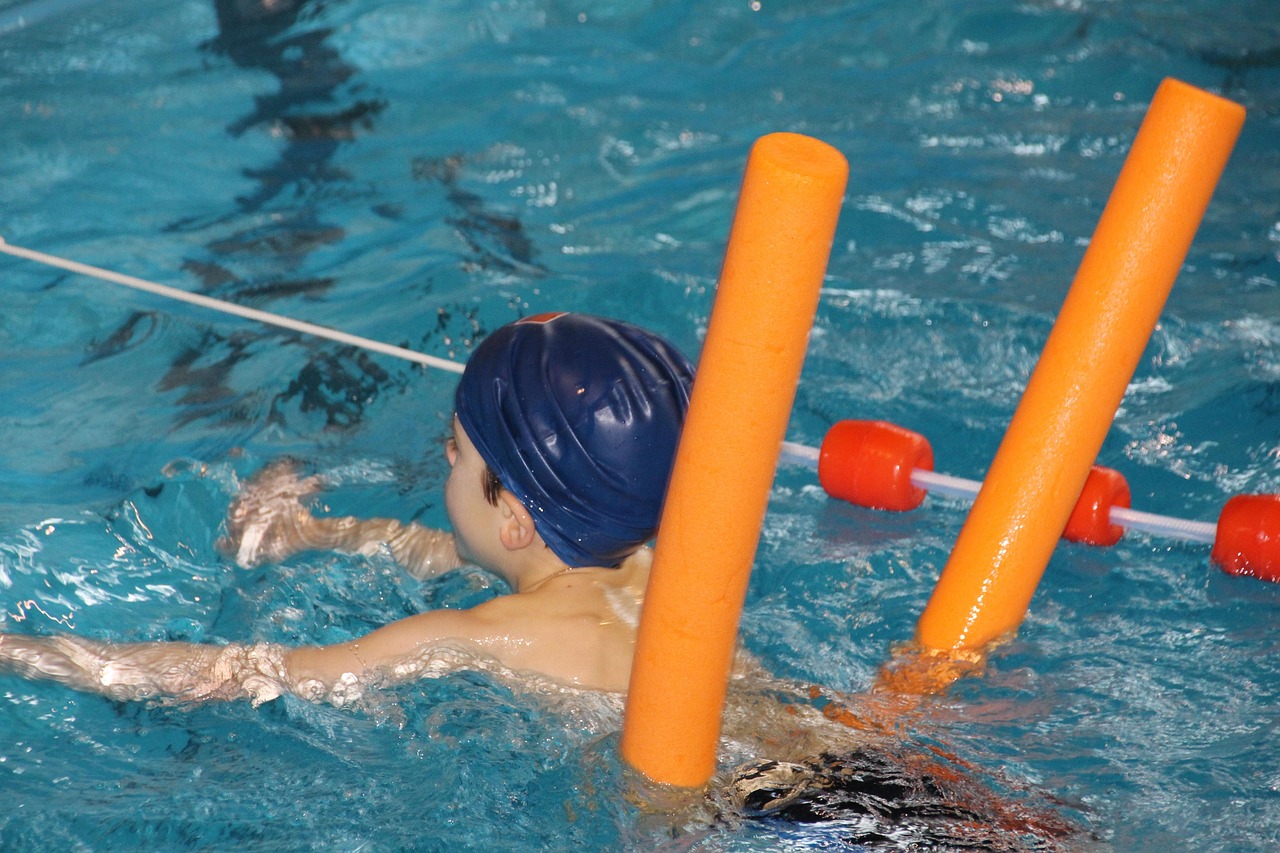
Pacing yourself during a swim is crucial for beginners. Many new swimmers often overestimate their abilities and end up fatigued. To enjoy swimming, develop a sensible pace that matches your skill level. First, focus on establishing a comfortable rhythm while swimming. This will help you conserve energy, making your swim experience enjoyable. Pay attention to your strokes, breathing, and kicks. Begin with shorter distances and gradually increase your time in the water. Consider incorporating drills that emphasize stroke efficiency and breathing techniques. It’s also vital to understand that fatigue can set in quickly for inexperienced swimmers. Aim to swim at a consistent pace, where you can breathe comfortably without gasping for air. This might mean taking frequent breaks initially as you learn to manage your effort. Don’t hesitate to slow down if necessary but try to maintain your form. Lastly, set realistic goals that clearly define your objectives. Experiment with your pacing and listen to your body while swimming. Over time, you’ll find the ideal balance that works for you. Enjoy the learning process, and always prioritize safety in the water.
Another great technique for pacing is to use a watch or a timer. By timing your laps, you can identify how long it takes to swim a specific distance. This data will help you determine the ideal length of breaks according to your newly discovered pace. For example, if you plan to swim 200 meters, time how long it takes and set a rest period afterward. You might initially need a longer break than more advanced swimmers. As your stamina improves, gradually reduce your break time. Using a watch also helps you build confidence and establish benchmarks over time. Additionally, join a swimming class for beginners. Under the guidance of a coach or instructor, you’ll learn effective techniques and strategies to pace yourself better. A professional can provide valuable feedback on how to improve your swimming pace. You will also be surrounded by peers, making the experience more enjoyable and motivating. Swim with friends who have similar skill levels to help keep pace enjoyable without feeling overwhelmed. With consistent practice, you’ll notice a gradual improvement in your swimming endurance and overall enjoyment in the water.
Understanding Breathing Techniques
Breathing plays a vital role in pacing while swimming. New swimmers often forget to breathe properly, leading to increased fatigue and anxiety. To help improve your breathing, practice inhaling during specific strokes. Start by exhaling gently through your nose or mouth while your face is in the water. This allows you to take a deep breath more easily when you turn your head to the side. This technique enhances your body’s buoyancy, thereby allowing for a more relaxed position while swimming. Establishing a correct breathing pattern minimizes energy consumption and helps maintain a stable pace. Incorporate breathing drills into your training routine. For instance, try the ‘three or five breaths’ technique, where you breathe after every third or fifth stroke. This method allows you to practice controlled breathing while also building endurance. Remember, it’s essential to stay relaxed while attempting to breathe. Avoid the tendency to gasp for air; instead, focus on a smooth and steady breathing pattern. You’ll find that oxygen circulation directly affects your pacing and overall swimming performance. Experiment with these concepts during your training sessions and see how they apply to your progress in the water.
As you continue to practice your pacing techniques, remember the importance of a proper warm-up. Warming up your muscles before swimming helps to improve flexibility and reduces the risk of injury. Engage in light stretching or low-intensity swimming before your main workout. This process will prepare both your body and mind for what’s ahead, allowing for more effective and enjoyable practice session. A good warm-up should last at least 10 minutes, focusing on moving joints and warming muscles to prevent stiffness. Gradual warm-ups also contribute to a more efficient swim pace, helping you manage energy expenditure. After your swim, cool down appropriately by reducing your pace and following it with gentle stretches. This will help you recover faster between workouts. Incorporating this routine into your swimming practice will directly impact your pacing and overall performance. Consider setting a consistent schedule for your swim practice. Regular training sessions will build muscle memory and increase endurance over time. Swimming consistently will aid in pacing development, making swimming feel easier. Finding a club or swim partner can help maintain this schedule. Connecting with others will motivate you to keep swimming despite challenging days.
Cross-Training for Swimmers
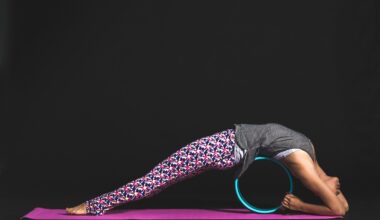
Cross-training is beneficial for swimmers looking to improve their overall fitness and pacing abilities. Swimming alone may not build the necessary strength and endurance across different muscle groups. Other activities like running or cycling can enhance aerobic capacity while incorporating core workouts. Focus on exercises that enhance your swimming skills, like yoga or Pilates for flexibility. Functional strength workouts will also improve your swimming performance by targeting muscle groups used in swimming strokes. Try incorporating exercises like planks and lunges that focus on your core and lower body strength. Building upon these foundations will help you develop a strong base, which ultimately aides in your swimming pacing. Adding variety to your fitness routine will not only prevent boredom but also contribute positively to your swim training. Additionally, engaging in cross-training activities throughout the week can increase cardiovascular endurance, enabling better pacing during workouts. Including strength training sessions can enhance muscular endurance and power. Balance workouts with your swimming training to maximize benefits and ensure a well-rounded approach to fitness. Keep track of your progress across all activities, as improvements will translate into your swimming experiences.
Nutrition is equally important for pacing while swimming. Proper fueling before and after your swimming sessions will greatly impact your performance. Consume a balanced diet rich in carbohydrates, proteins, and healthy fats to maintain sufficient energy levels during your workouts. An optimal meal before swimming should be light but substantial, consisting of whole grains, fruits, and lean proteins. Consider eating about 30 to 60 minutes before swimming to allow digestion without discomfort. Post-swim nutrition is equally essential. After your session, replenish glycogen stores through am appropriate snack or meal that includes carbs and protein. This will support recovery and muscle repair, enabling you to maintain a strong performance in the long run. Staying hydrated is crucial, too; therefore drink plenty of water throughout the day. Dehydration can lead to reduced stamina and affected performance during your swims. Monitor your hydration status, especially during intense summer training when heat can take a toll on your body. Developing good dietary habits will aid in your overall swimming experience, helping you pace effectively and stay consistent. Remember, proper nutrition is a partner to your workouts, ensuring you are at your best in the water.
Setting Realistic Swimming Goals
Setting achievable goals can motivate beginners to stay committed to swimming and pacing improvement. Start by identifying what you hope to achieve, whether it’s mastering a specific stroke or improving lap times while swimming. Break these broader goals down into smaller, more manageable objectives. For example, aim to swim an additional lap each week, or reduce your lap time by a few seconds over a month. Progressively challenging yourself will help maintain motivation without feeling overwhelmed. Document your swimming journey to track progress and celebrate achievements. Keeping a journal or fitness app can provide encouragement, helping you see how far you’ve come. Remember to keep your goals realistic based on your current fitness level; don’t set yourself up for failure by aiming too high too quickly. Celebrate every incremental milestone along the way, reinforcing the satisfaction of making progress toward your ultimate objectives. Establish specific timelines for achieving these goals so you can measure your growth objectively. Accountability is crucial; find a swimming buddy or join a club to share your progress. Embrace the journey, and enjoy the rewarding experience that comes with consistent swimming!
Additional progress may be achieved through diversification in your swimming styles. Experimenting with different strokes leads to well-rounded skill development. Working on other strokes like breaststroke and backstroke can significantly improve overall strength and endurance. Implement variations into your workouts to challenge your body further. By performing a variety of strokes, maintain your enjoyment of swimming while improving pacing as various strokes engage different muscle groups. Incorporating different strokes prevents boredom, ensuring training remains enjoyable and fulfilling. Moreover, understanding the key differences in breathing and pacing strategies across various strokes will expand your knowledge. Every new skill acquired will bolster confidence as you transition back to your preferred strokes. Don’t neglect the power of rest during your training routine. All swimmers benefit from rest days to allow the body to recover and rejuvenate. Balancing action with recovery will lead to better performance outcomes. Recovery days can be included as a natural part of the week while limiting fatigue. Embrace the necessity for recovery; it ensures your muscle strength stays maximized. Ultimately, pacing yourself during swimming for beginners involves various strategies that promote longevity and enjoyment in the sport of swimming.