
Strategies for Racing in Muddy and Wet Obstacle Courses
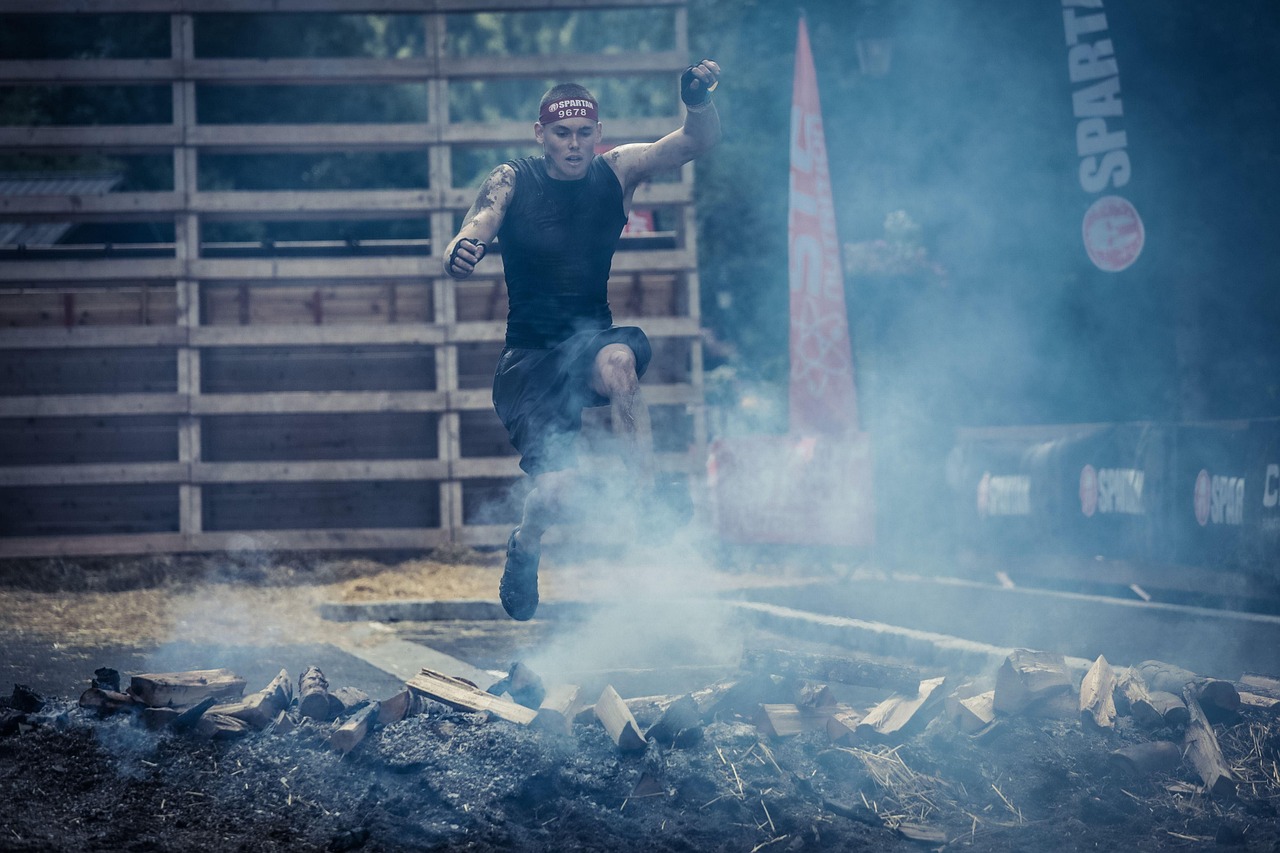
Racing in muddy and wet obstacle courses presents unique challenges that require strategic preparation and execution. To effectively navigate through these conditions, athletes should prioritize appropriate footwear selection. Opt for shoes designed for traction, ensuring they have deep lugs to grip slippery surfaces. It’s also essential to consider water resistance and drainage options, promoting quicker drying periods. Researching obstacle-specific techniques can enhance performance. For example, techniques for climbing and sliding through mud can differ significantly from dry land strategies. Developing core strength is crucial, as it aids in balance and stability when maneuvering through difficult terrain. Moreover, practicing mental resilience is vital. Muddy conditions can lead to frustration, so fostering a positive mindset will help maintain focus. Incorporate visualization techniques to prepare mentally for various obstacles, anticipating challenges ahead. Furthermore, mastering breathing techniques aids in physical exertion. This helps manage energy levels while maintaining composure during the race. These strategies collectively enhance performance during racing events under adverse weather conditions, ultimately leading to improved results and personal satisfaction.
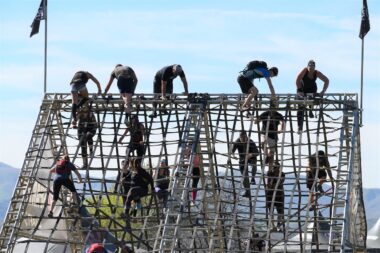
In addition to physical preparation, technique plays a pivotal role in conquering muddy and wet obstacle courses. Start by adopting a low center of gravity, which can improve stability while crossing uneven ground. Short, quick strides can prevent slipping and falling, especially in mud. Always be mindful of maintaining your balance as you traverse sloshy terrains, distributing weight appropriately across your feet and keeping your body aligned. A strong upper body helps when climbing mud hills or navigating cargo net challenges, so upper body training should not be overlooked. Resistance bands can assist in building arm strength and shoulder endurance for these obstacles. Another critical element is pace control; it’s crucial to find a rhythm that allows for consistent movement without sacrificing safety. Slow down when approaching slippery areas and assess the best path forward before committing to it. Furthermore, using your arms effectively can boost momentum, especially when crawling or scrambling. Incorporate lateral movements into training, as these will prepare you for the unpredictable slips that muddy surfaces often create. This adaptation not only increases agility but also diversifies the skill set, crucial for completing any course.
Nutrition and Hydration Strategies
Proper nutrition and hydration can significantly impact performance in muddy obstacle course races. Prior to race day, focus on consuming complex carbohydrates such as whole grains and fruits for sustained energy. It’s wise to avoid heavy or greasy foods that may cause discomfort during physical activity. On the day of the race, eat a light breakfast rich in carbohydrates coupled with moderate protein, ensuring it’s consumed at least two to three hours before the start. Staying hydrated is equally important, so drink plenty of water leading up to the event. During the race, quick energy sources such as energy gels or chews can be vital, especially for longer courses. These provide a quick boost without heavy digestion demands. Post-race recovery also plays a critical role; replenishing lost nutrients and rehydrating will enhance muscle recovery and reduce fatigue. Consuming a blend of proteins and carbohydrates post-race helps refuel muscles and aids in recovery. Consider incorporating electrolytes in both pre-race and post-race hydration to combat potential dehydration caused by exertion in wet conditions.
As part of your preparatory routine, engage in specific conditioning exercises that focus on strength training, agility, and endurance. Exercises such as squats, lunges, and planks can develop strength essential for overcoming physical obstacles. Engaging in high-intensity interval training (HIIT) can also develop endurance, mimicking the varied intensity experienced in a race. Simulation training is another beneficial approach that allows athletes to familiarize themselves with mud-related challenges. Create mock obstacles in training sessions to test muscle memory, technique, and adaptability. Utilize local parks or trails with muddy surfaces, if available, to practice navigating similar conditions. Additionally, participating in local races or mud runs can provide practical experience. Analyze various courses to understand obstacles often encountered during competition; this can tailor training sessions more precisely. Joining a team or a community dedicated to obstacle racing allows for shared strategies, tips, and motivation. Working alongside like-minded individuals can create a supportive environment, enhancing both mental and physical preparation for challenging muddy races.
Embracing the Challenge
Finally, the mindset towards muddy and wet obstacle courses is crucial. Instead of viewing challenging conditions negatively, embrace them as an opportunity to grow and improve as an athlete. Developing resilience in facing harsh weather or difficult terrain fosters a unique mental toughness. Reframe negative thoughts by focusing on the fun, camaraderie, and sense of accomplishment that comes with tackling such hurdles. Setting realistic goals for each race can help maintain motivation while keeping perspective on progress. Celebrate small victories throughout training, and acknowledge improvements in performance regardless of race outcomes. Integrating a supportive community can further cultivate passion and enthusiasm for the sport. Surrounding yourself with encouraging teammates and mentors can provide invaluable advice and support during training and races. Incorporating challenges into training not only prepares you physically but also mentally, boosting your overall confidence as an athlete. This combination of physical readiness, strategic thinking, and a strong mindset results in an increasingly enjoyable racing experience, transforming muddy obstacle courses into platforms for personal growth and achievement. Commit to the process and trust in your abilities to conquer any course.
In summary, strategies for racing in muddy and wet obstacle courses emphasize thorough preparation, technique enhancement, proper nutrition, and cultivating a positive mindset. From selecting the right footwear to gearing up for nutritional intake, every aspect contributes to a successful race. Embracing the mud as a partner rather than an adversary shifts the competition experience, making it more rewarding. This approach promotes continuous improvement and builds physical and mental resilience. Committing time to specific training exercises ensures readiness for physical obstacles, while simulated courses prepare athletes for real-life scenarios. Ultimately, participating in muddy races fosters a shared sense of achievement, camaraderie, and fun within the obstacle course racing community. Emphasizing both individual and team growth builds lasting relationships among fellow competitors, encouraging participation in future events. The skills and techniques acquired during training not only contribute to races but can be applied to life challenges. Each muddy race presents an opportunity—an opportunity to laugh at setbacks, master muddy challenges, and take pride in personal achievements. The thrill of crossing that finish line, even under muddy conditions, is an experience every athlete should cherish.
Whether you’re a seasoned competitor or a newcomer, the muddy obstacle course racing community welcomes all levels of participants. Local events often provide a unique atmosphere, where participants encourage and support one another, promoting a thriving culture. Researching nearby events can enhance your racing experience, pushing you to join friends or meet new competitors. Reaching out on social media platforms or local fitness groups can offer invites to communal training sessions or shared preparation tips, providing an even richer involvement in the sport. Understanding your own body and knowing when to push through challenges and when to take a step back is equally important. Listening to your body will help prevent injuries and encourage a longer-run participation in the sport. Each muddy race showcases not only the challenges of terrain but also the resilience of the human spirit. No matter the outcome of the race, the memories and friendships formed will last far beyond the finish line. The exhilarating journey through mud and water continues to attract those eager for adventure. Stand ready, lace up, and embrace the mud—your race day awaits!
Furthermore, consider documenting your experiences through photographs or maintaining a racing journal. Reflections can help track progress while inspiring others who may seek similar challenges. Sharing tips on platforms like blogs or social media provides valuable insights for prospective racers. Highlighting personal strategies and stories creates a connection within the racing community. Moreover, participating in team events or fundraisers encourages races that support charitable causes, combining passion with purpose. Give back as a competitor, embodying the spirit of racing while making a positive impact. Invest time in learning from others through clinics or workshops focused on techniques, nutrition, and strategy. Engaging with experienced racers can unlock new perspectives and elements of growth. Every detail, from shoes to mental preparation, contributes to the entirety of the experience in muddy obstacle races. As one tackles these physically demanding challenges, personal achievements will flourish along with bonds forged in the shared love for racing. With determination, creativity, and community support, one can transform the unpredictable nature of muddy courses into a thrilling arena for growth, race after race.