
Longitudinal Tracking of Athlete Performance Using Wearables in Team Sports
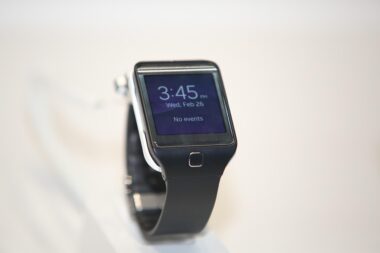
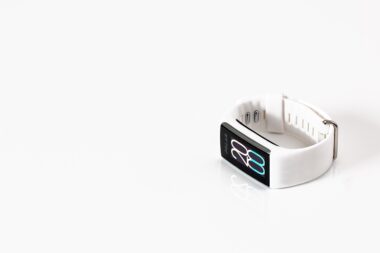
In the realm of team sports, leveraging technology for athlete performance tracking has transformed the approach towards training and competition. Wearables such as fitness trackers, smartwatches, and GPS devices are now integral to monitoring players’ physical and physiological data. These tools enable a comprehensive assessment of athletes’ movement patterns, heart rates, and calorie expenditures, thus offering valuable insights into their performance trajectories over time. The importance of long-term data collection cannot be overstated, as it fosters tailored training regimens that cater to individual players’ needs. Coaches and sporting organizations utilize this data to build revamping strategies. The diversification of data points through wearable technology creates an opportunity for more personalized insight. When athletes wear these devices during practices and matches, they receive immediate feedback on their exertion levels and overall fitness. This instantaneity contributes significantly to injury prevention efforts by allowing coaches to make informed decisions regarding training loads. Wearable technology is instrumental in shaping a new era of informed and data-driven coaching, enhancing athletes’ resilience and performance while minimizing the chances of overtraining or burnout. The integration of such tools paves the way for systematic performance enhancement in team sports.
The Benefits of Wearable Technology in Team Sports
Wearable technology offers numerous benefits that enhance both athlete performance and team effectiveness in competitive sports environments. These devices not only capture critical performance metrics, such as speed and agility, but also monitor biometric data, including heart rate variability and oxygen consumption. By analyzing these data points, coaches can develop a deeper understanding of player capabilities. This data-driven approach allows for optimal training regimens, tailored to individual athlete needs. Wearables also contribute to improved communication among coaches and team members, as data can be shared and discussed in real time. Furthermore, deploying wearables fosters accountability among players, encouraging them to stay motivated and engaged with their training goals. Teams can identify key performance indicators relevant to their specific sport, facilitating purposeful training that aligns with team objectives. Enhanced recovery strategies arise from insights gained from wearables, allowing athletes to fine-tune their rest and rehabilitation approaches. Overall, the advantages of using wearables extend to enhancing team cohesion and overall performance while providing a comprehensive picture of athlete health. Such qualities highlight why integrating wearable technology is paramount in modern sports practices and training methodologies.
The long-term impact of wearables on athlete performance management within team sports is profound, with ongoing advancements continuously improving data accuracy and usability. Sophisticated algorithms analyze the collected data, translating raw numbers into actionable insights. This process of interpretation is crucial for decision-making among coaching staff and sports scientists. Additionally, the interoperability of various wearable devices allows for comprehensive analysis across multiple platforms. For instance, insights from a GPS tracker can be correlated with heart rate data to assess athletes’ overall physical workload. This multi-dimensional analysis aids in planning individualized training schedules that optimize both strength and endurance. Moreover, wearables facilitate transparent performance reviews, where data-driven discussions help athletes to understand areas for improvement. This transparency fosters trust between athletes and coaches, as both parties align on performance goals and recovery strategies. Consequently, wearable technology empowers athletes to take ownership of their training through shared insights. Future wearable technology developments promise even greater accuracy, leading to enhanced performance tracking capabilities. The potential for real-time feedback mechanisms is an exciting aspect that could revolutionize how athletes and coaches interact during training and competitions.
The Role of Analytics in Wearable Technology
Analytics play an essential role in harnessing the full potential of wearable technology within team sports. The vast amounts of data collected through these devices require sophisticated analytical processes to extract meaningful insights for performance improvement. Various metrics are collected, encompassing movement tracking, effort levels, and biometric readings. By utilizing advanced data analytics techniques, teams can turn this raw data into individualized reports that inform training and recovery strategies. Furthermore, advanced predictive analytics can help forecast potential injuries based on workload patterns, allowing for proactive intervention. This capability is crucial for injury prevention, ensuring that athletes are not pushed beyond their physical limits. Coaches can also use these analytics to adjust practice intensities, ensuring the entire team is uniformly developing. The feedback loop established between the athlete and the coaching staff is thus enhanced, as data speaks volumes about how well players are responding to training stimuli. Additionally, data visualization tools make it easier for both coaches and players to comprehend complex information at a glance. Overall, integrating analytics with wearable technology supports a more scientific approach to performance optimization, resulting in significantly improved outcomes for teams.
As wearable technology evolves, new design features are being continually integrated, allowing for additional functionalities in tracking athlete performance. Innovations such as sweat analysis sensors and advanced heart monitoring offer deeper insights into an athlete’s physiological responses during intense competition. These emerging technologies allow further customization of training programs. The utilization of machine learning algorithms also heralds significant enhancements in how this data is processed. By learning from previous performance metrics, machine learning models can assist in predicting athletes’ performance trends and outcomes, guiding coaching decisions. Furthermore, these systems are increasingly becoming more user-friendly, allowing athletes to interact with their performance data easily. This ease of use ensures athlete engagement, which is crucial for effective training and performance improvement. Moreover, wearables have begun incorporating social features, enabling athletes to share their achievements with peers, fostering a competitive spirit. Such social connectivity enhances motivation during training as athletes strive to meet shared goals. Thus, the future of wearable technology caters not only to performance tracking capabilities but also to community-building aspects among athletes, presenting an exciting direction for the sports industry.
Challenges and Considerations in Wearable Implementation
Despite the numerous advantages of wearable technology in team sports, several challenges arise concerning their implementation and optimal use. One significant challenge involves data privacy and security, as sensitive athlete information can be susceptible to breaches. It is crucial for organizations to ensure robust data protection measures are in place. Additionally, there can be a steep learning curve associated with effectively using these technologies, particularly for coaching staff and players not well-versed in data analytics. Providing adequate training on these devices will enhance their overall utility. Furthermore, continuous dependence on technology can sometimes overshadow instinctive coaching practices, making it vital to strike a balance between data-driven insights and traditional coaching methods. Equipment compatibility can also pose a challenge, as various devices may have differing data collection capabilities that require standardization. Integrating multiple wearables also demands sufficient resources and a comprehensive understanding of how best to utilize the gathered information. Overcoming these challenges will require diligence and strategy, ultimately ensuring that the technology serves as a valuable asset in enhancing athlete performance in team sports.
In conclusion, the incorporation of wearable technology into team sports represents a transformational leap. These devices not only enhance the monitoring and tracking of athlete performance but encourage a culture of accountability and informed decision-making among players and coaching staff alike. The continuous flow of data allows for adjustments in training and recovery, creating an adaptive environment receptive to individual athletic needs. Moreover, as technology evolves, the potential for integrating richer data analytics will further empower teams to make decisions aimed at peak performance. Future innovations held within smart wearables will likely introduce even more capabilities, maximizing training efficiency. As teams embrace these advancements, they might refine their competitive edge in sporting events. Ensuring proper implementation and addressing associated challenges will be pivotal for maximizing the benefits of wearable technology within sports. By championing a data-informed approach, stakeholders can leverage insights that inspire long-term athlete development. The opportunity for extensive longitudinal tracking of athlete performance serves as an essential strategy in fostering holistic athlete growth and enhancing competitive excellence in team sports.