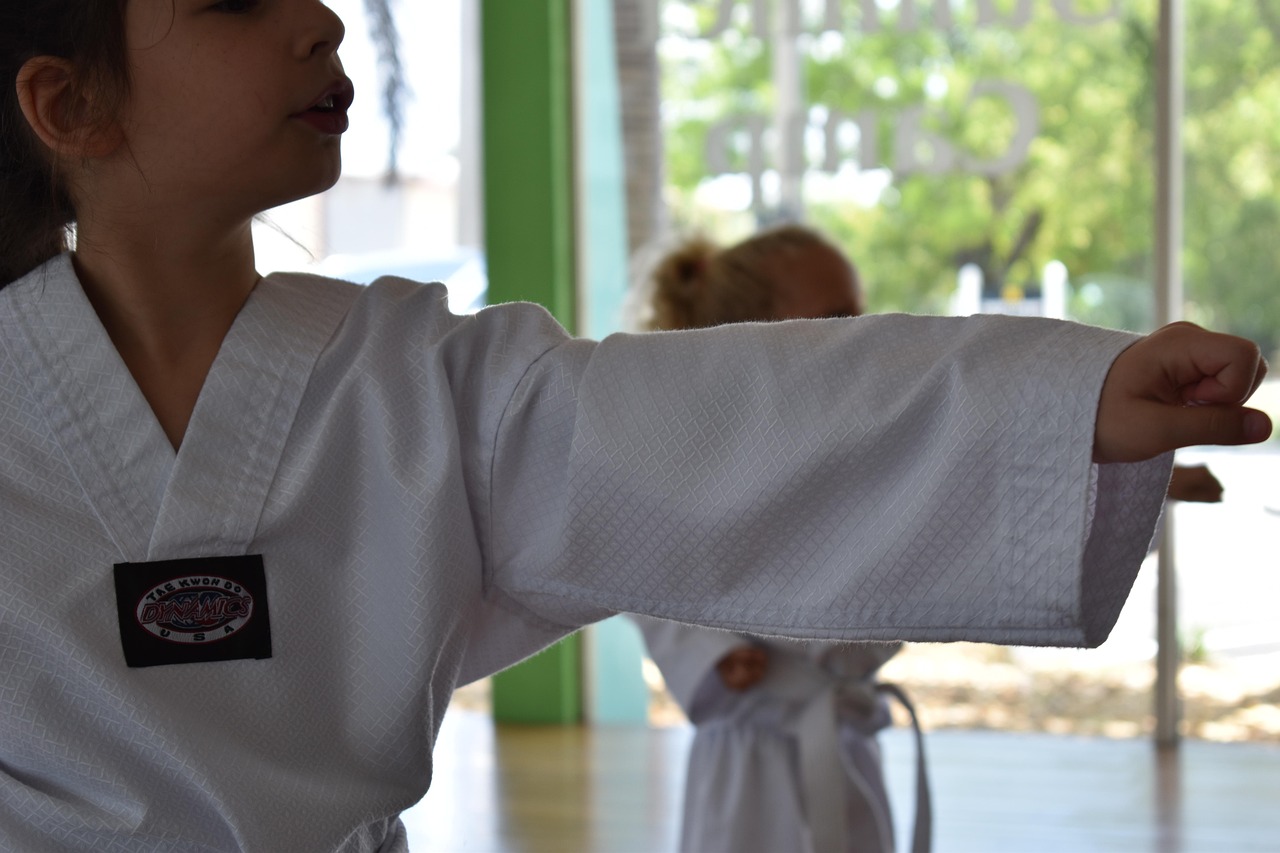

Martial Arts Fitness Classes: What to Expect
When considering martial arts fitness classes, many people wonder what they can expect from such programs. Martial arts combine physical fitness, mental discipline, and self-defense techniques, providing a unique workout experience. Participants often find that these classes improve their physical health, flexibility, and strength. Moreover, martial arts training emphasizes discipline, focus, and perseverance, which translates into improved performance in various aspects of life. A typical class typically begins with a warm-up consisting of stretching and basic movements, designed to prevent injuries and prepare the body for intense activity. Following this, students engage in drills and partner exercises that teach techniques, footwork, and defensive maneuvers. Additionally, students can expect a supportive environment, where instructors encourage and motivate everyone to reach their full potential. Classes cater to all skill levels, allowing beginners to learn at a comfortable pace while advanced practitioners refine their techniques. Overall, the unique combination of fitness, self-defense, and personal development makes martial arts classes an appealing choice for those seeking a fun and challenging workout.
The Benefits of Martial Arts Fitness
Engaging in martial arts fitness classes offers numerous benefits that extend beyond physical health. One prominent advantage is the improvement in cardiovascular fitness, which leads to enhanced overall endurance and stamina. Many practitioners find that, as they progress, they can train for longer periods without feeling fatigued. Additionally, martial arts helps in developing mental resilience, as practitioners must confront challenges and overcome obstacles inherent in training and sparring. Strength, flexibility, and coordination are also key focus areas, contributing to well-rounded physical development. Students often enjoy the camaraderie and social interactions that arise in class, fostering a sense of community and belonging. Martial arts training also serves a dual purpose by assisting individuals in learning self-defense techniques, providing confidence and empowerment in potentially dangerous situations. For many, attending regular classes becomes an essential part of their routine, leading to long-lasting friendships and support systems. Furthermore, martial arts promotes mindfulness and stress relief, encouraging individuals to focus on their movements and breath. These practices can effectively reduce anxiety and elevate overall mood, making martial arts a holistic approach to fitness and wellness.
Many martial arts schools offer different styles, allowing individuals to find the one that best suits their interests and goals. From traditional styles like Karate, Taekwondo, and Judo to modern options such as Brazilian Jiu-Jitsu and mixed martial arts (MMA), the choices are abundant. Each discipline incorporates a unique set of techniques and philosophies, so it’s essential to explore and discover the best fit. Factors such as the desired intensity level, focus on sparring or forms, and personal fitness objectives can guide your decision. For beginners, it’s often helpful to observe a few classes or participate in introductory sessions to get a feel for the environment. Instructors play a critical role in helping students master techniques and understand the underlying principles. Experienced teachers provide tailored guidance while emphasizing safety and proper technique. As individuals progress, classes can also include advanced sparring sessions and competition preparation, should participants choose to pursue that path. Researching local schools and reading reviews can provide insight into their reputation and teaching styles, ensuring a positive training experience.
What to Bring to Your First Class
Before attending your first martial arts fitness class, it’s important to prepare adequately to ensure a positive experience. First and foremost, wear comfortable athletic clothing that allows for a full range of motion. Avoid overly loose garments that may become caught in training equipment or impede movement. Athletic shoes are often recommended, especially in styles that require footwork separate from barefoot training. Don’t forget to bring a water bottle to stay hydrated throughout the session. Many schools provide mats and equipment, but it’s a good idea to verify beforehand if you need to supply your gear. Some disciplines may require specific protective equipment—such as gloves for striking arts or a gi for traditional karate—so check the class requirements in advance. It’s wise to arrive early to familiarize yourself with the dojo or training area and meet your instructor and classmates. This allows for a smooth transition into the class, helping to calm any pre-class nerves. Lastly, maintaining an open mind and a willingness to learn enhances the overall experience, turning challenges into opportunities for growth.
During martial arts classes, students can expect to engage in various formats of training, including individual practice, partner drills, and group activities. These formats facilitate a dynamic learning environment, ensuring that everyone develops key skills and techniques. Individual practice promotes self-discipline and allows students to focus on mastering the fundamentals, while partner drills encourage collaboration and reinforce learned techniques. Working with a partner not only helps fine-tune individual skills but also builds essential communication and teamwork skills. Classes often include a combination of vigorous physical workouts, allowing participants to develop strength and stamina while having fun. Students will learn sequences often called kata or forms that showcase fluidity and control in movement. Sparring sessions provide an opportunity to apply what they’ve learned in a controlled environment, enabling participants to become more comfortable with their abilities. Moreover, martial arts classes usually emphasize respect and etiquette, fostering a sense of discipline within students as they interact with peers and instructors. Overall, experiencing the different facets of martial arts training contributes to a well-rounded education in this ancient discipline.
The Role of Discipline in Training
Discipline is one of the core tenets of martial arts training and plays a pivotal role in shaping an individual’s approach to their practice. It encompasses not only adherence to the rules and guidelines of the training environment but also a commitment to personal growth and improvement. Cultivating discipline helps students remain focused during training sessions, ensuring they consistently practice techniques and embrace challenges. The development of habit is crucial, as regular attendance and active participation lead to greater skill acquisition and progress. In martial arts, discipline is linked to respect—both for oneself and for others in the dojo. Students learn to respect their instructors, classmates, and the tradition they represent. Additionally, discipline extends beyond the training floor, influencing other life aspects such as career and personal relationships. Adopting a disciplined mindset can lead to better time management, increased motivation toward goals, and heightened resilience in difficult situations. With dedication and consistency, students will quickly discover that discipline plays a vital role in unlocking their full potential in martial arts as well as everyday life.
In summary, martial arts fitness classes present an opportunity for individuals to improve their physical, mental, and emotional well-being. With a focus on cardiovascular fitness, strength, flexibility, and discipline, participants benefit from a holistic and well-rounded approach to exercise. Diverse styles and training formats ensure that each individual can find a practice that resonates with them, allowing for enjoyable and effective workouts. Preparing adequately for classes, knowing what to expect, and embracing the challenges inherent in martial arts fosters the development of essential skills that translate into daily life. Moreover, the sense of community and support inherent in martial arts academies promotes lasting friendships and social connections. As practitioners enhance their self-defense capabilities, they gain confidence, making them feel more empowered in their everyday lives. Furthermore, discipline cultivates focus and determination within students, impacting their personal growth journey. Ultimately, martial arts fitness classes offer an enriching experience that can inspire individuals to commit to a lifelong path of learning and fitness, blending physical challenge with personal development.