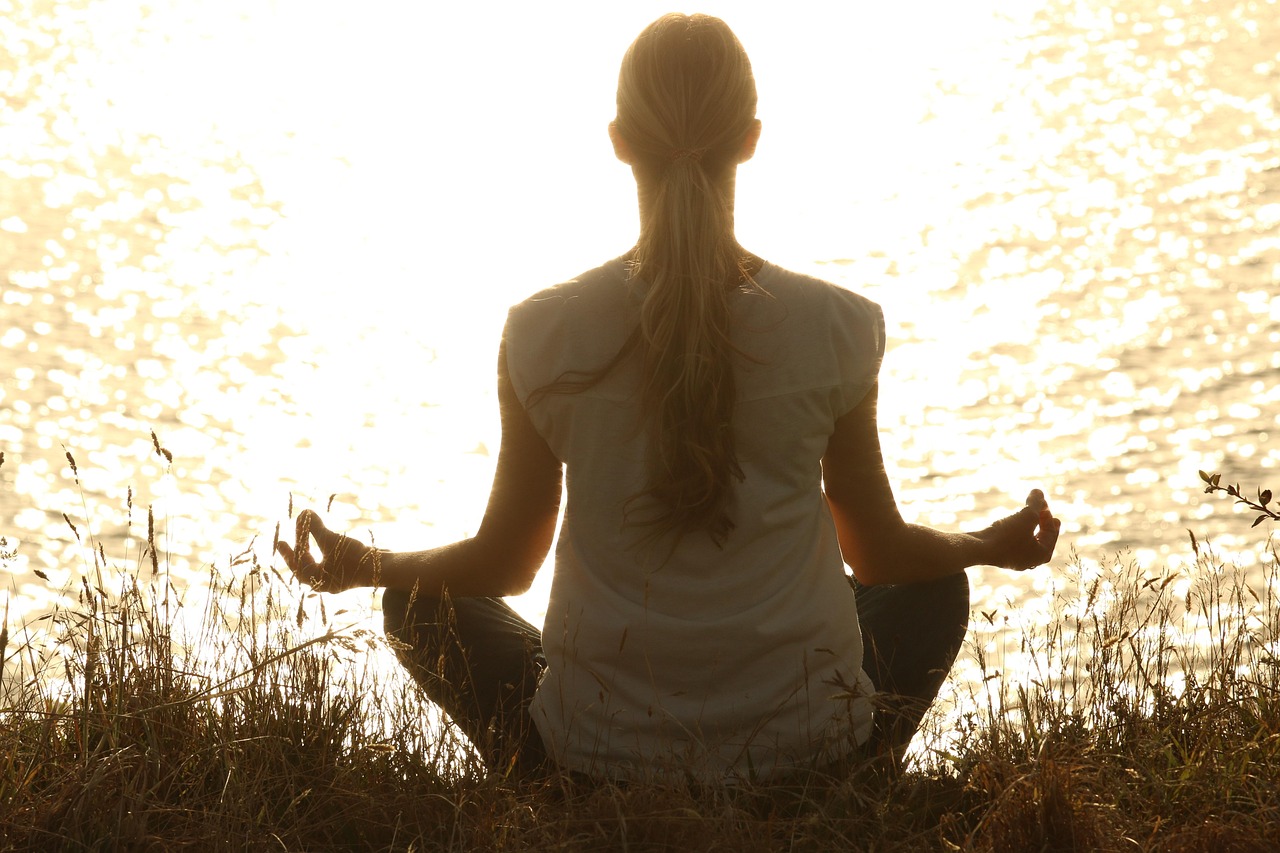

Yoga and Mindful Movement: Enhancing Sleep Through Gentle Exercise
Yoga and mindful movement have gained widespread recognition for their benefits in enhancing sleep. These practices provide gentle forms of exercise that promote relaxation and tranquility. Regular engagement in yoga helps unwind the body and mind, increasing the likelihood of achieving restorative sleep. By connecting breath with movement, practitioners prepare their bodies for restful slumber and relieve the stress accumulated during the day. Research shows that certain yoga poses, especially those focused on slowing the heart rate and calming the nervous system, can significantly improve sleep quality. Incorporating techniques such as deep breathing and mindfulness can further amplify the effectiveness of these exercises. Additionally, yoga encourages a healthy sleep routine by establishing a sense of natural rhythm in the body’s circadian cycles. Adopting a consistent practice can create a more favorable sleep environment, leading to deeper and more consistent sleep cycles. With gentler movements, participants can alleviate issues like insomnia, fatigue, and anxiety, making it easier to transition into sleep. Ultimately, yoga and mindful movements serve as valuable tools for enhancing overall sleep health.
Before delving further into the relationship between yoga and sleep, it’s important to understand specific practices that may aid in improving sleep quality efficiently. Gentle yoga styles, such as Hatha or Yin yoga, specifically emphasize relaxation. Practitioners can incorporate postures that focus on stretching tight muscles, calming the mind, and encouraging a peaceful mindset. Poses like Child’s Pose, Legs Up the Wall, or Corpse Pose have been shown to relax the body. These stretches can be performed before bedtime, contributing notably to an improved sleep experience. Integrating breath awareness during the practice aids in reducing physical tension which may otherwise hinder deep sleep. Mindful movement, like Tai Chi, is similarly beneficial as it combines physical activity with deliberate breathing and mental focus. This dual-action approach helps reduce anxiety and stress while preparing the body for sleep. Keeping a routine and scheduling dedicated time for practice may significantly enhance effectiveness, leading to significant improvements in sleep patterns over time. As one continues to practice these techniques, they may notice increased feelings of serenity and overall tranquility, further cultivating peace during rest.
The Role of Breathing Techniques
In addition to yoga poses, the importance of breathing techniques cannot be overstated. Specific breathing practices such as pranayama encourage a deep and engaging relationship with one’s breath. Controlling and extending one’s breath can lead to reduced heart rates, lower blood pressure, and ultimately, a calmer state of being. Research supports the idea that deep breathing exercises enhance parasympathetic nervous system activation, which directly promotes better sleep. This activation counters the body’s stress-reducing hormones and prepares the mind and body for rest. Activities like alternate nostril breathing or the 4-7-8 technique can be utilized to calm the mind and body before sleep. Additionally, focusing on the breath during yoga serves as a form of meditation, centering the participant’s awareness and reducing negative thought patterns that can impede sleep. Consistent practice can create a sense of safety and comfort conducive to sleep while minimizing external distractions. Participants who commit to incorporating these techniques into their nightly routine often report significant improvements in their ability to fall asleep and stay asleep throughout the night.
Another valuable aspect of yoga and mindful movement is the attention to mindfulness. Practicing mindfulness, both on and off the mat, allows individuals to be present in the moment, which can be especially beneficial for sleep. Mindfulness techniques help reduce overactive minds that often struggle with racing thoughts when trying to sleep. Mindfulness meditation can be included as part of a yoga practice and can serve to detach from day-to-day concerns and anxieties. This approach encourages a gentle release of any mental clutter gathered throughout the day. By cultivating self-awareness and observing emotional responses, the practice imparts a sense of control over one’s mental state. As practitioners learn to accept their thoughts without judgment, they create an inner sense of calm that greatly enhances their ability to sleep. Furthermore, integrating body scans, where attention moves slowly through each body part, allows individuals to progress into complete relaxation. The synergy of yoga, breath, and mindfulness generates a unique opportunity to combat sleep disturbances, ultimately fostering better sleep quality and overall well-being.
Building a Consistent Routine
Establishing a consistent yoga routine is essential for maximizing the benefits of exercise on sleep quality. Practitioners are encouraged to dedicate time each day, whether through morning sessions or nightly routines, to cultivate a habit that aids relaxation and restful sleep. The key is finding a comfortable environment that enhances the practice, whether indoors or outdoors. This personalized space helps build a mindset conducive to relaxation just by being present there. A calming environment, free from distractions and disturbances, promotes deeper engagement with the practice. In addition to creating the ideal atmosphere, remaining consistent with practice facilitates long-term sleep benefits. Creating a schedule that aligns with one’s unique lifestyle increases accountability and enjoyment. It’s essential to listen to the body, modifying the practice, and being gentle with oneself, especially during busy periods. Engaging in shorter sessions, even if just for 10-15 minutes can still yield positive effects. As participants dedicate time to their practices, they may genuinely notice their sleep improves over time, leading to overall enhanced physical and mental health.
As we continue exploring the potential benefits of yoga and gentle exercises for sleep enhancement, it’s crucial to recognize the importance of adapting practices to individual needs. Each person’s body and mind respond differently to these exercises, emphasizing the significance of customizing the experience. Some may benefit from dynamic flows that engage the body, while others might find solace in quiet, restorative poses. Experimenting with different styles may lead individuals to discover what resonates best. Seeking guidance from experienced instructors, whether in-person or through online resources, can also enhance the journey. Additionally, tracking progress can provide insight into what works, allowing practitioners to adapt routines based on changing needs. Engaging with supportive communities can foster motivation, accountability and share ideas that help individuals discover new techniques. Social support creates a sense of belonging, enhancing motivation to uphold practice routines. Furthermore, discussion with others who share similar experiences can lead to invaluable insights on personal journeys. Ultimately, adapting yoga practices for sleep can create a pathway toward lasting improvements in sleep quality and well-being.
Conclusion
In conclusion, yoga and mindful movement stand out as powerful tools for enhancing sleep through gentle exercise. By engaging in these practices, individuals can significantly improve both their physical and mental health. The combination of gentle movements, mindful awareness, and deep breathing creates an ideal situation for combating sleep disturbances and promoting restful nights. Establishing a consistent routine that aligns with personal needs and preferences maximizes the benefits of these practices. Additionally, adapting approaches allows for a more individualized experience, ensuring that one’s unique needs and responses are met. Seeking guidance, creating a supportive community, and implementing mindfulness techniques further enrich the practice. It’s essential to embrace the journey, remaining open to the transformative effects these practices can deliver. Individuals willing to commit to gentle exercise and mindfulness may experience remarkable physiological changes leading to improved sleep quality. Moreover, the interconnection between body and mind will foster a greater sense of peace and well-being. Through continued exploration of yoga and mindful movement, individuals can unveil new dimensions of health and tranquility, setting a strong foundation for a balanced life.