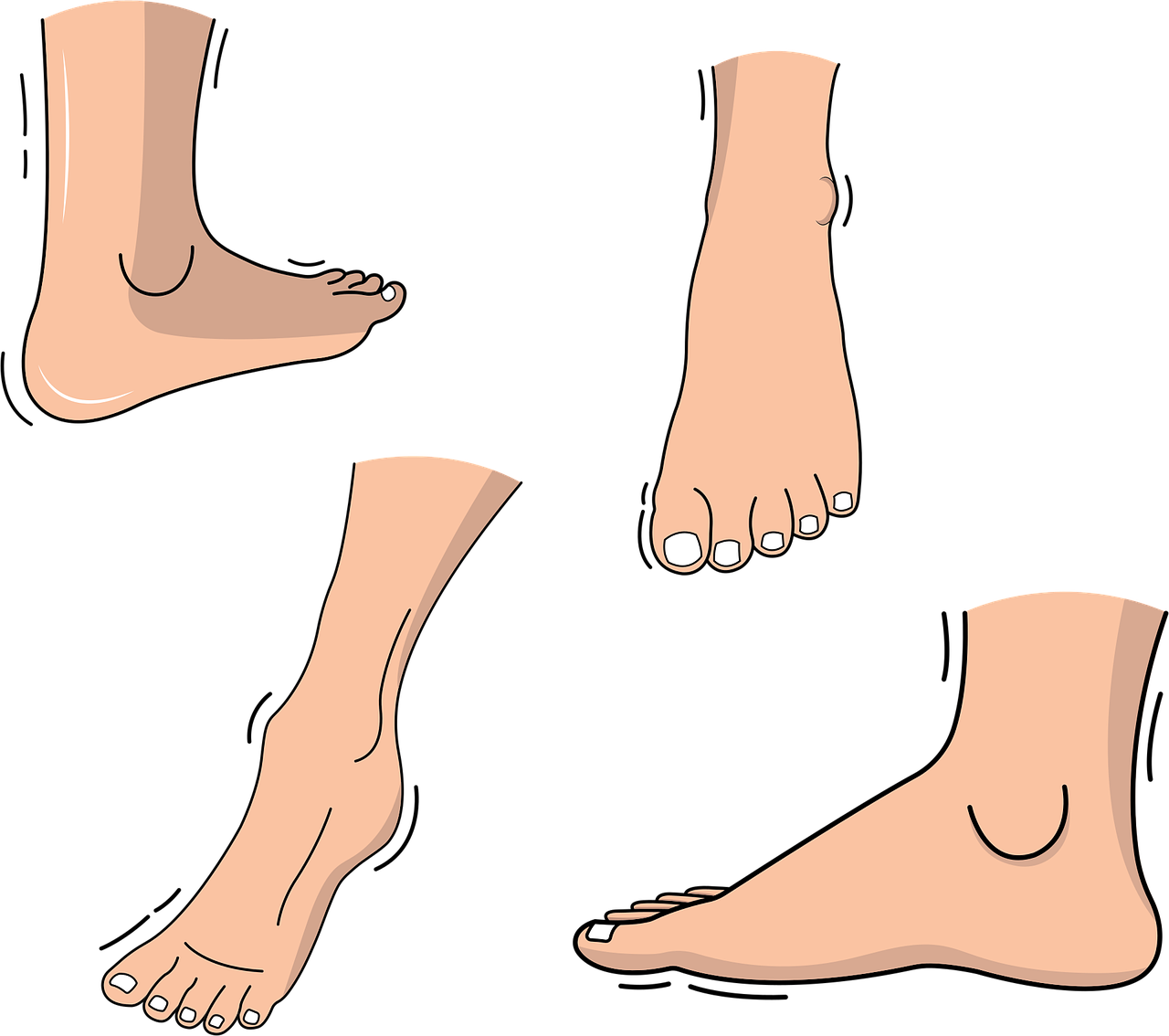

Understanding Ankle Dislocations in Contact Sports
Ankle dislocations are a serious concern in contact sports, often resulting from intense physical activity. Athletes in sports like football and rugby frequently encounter situations that lead to such injuries, where sudden impact can force the ankle joint out of its normal position. This displacement can cause severe damage to ligaments, blood vessels, and nerves surrounding the joint, necessitating immediate medical attention. Injuries may occur during tackles, falls, or awkward landings, causing extreme pain and discomfort. In many cases, athletes may underestimate the severity of the injury. Quick recognition is vital to ensure the best outcomes. Medical professionals must assess the injury thoroughly to determine the extent of damage accurately and to coordinate appropriate interventions. Players and coaches should be educated on injury prevention techniques and protocols. This helps to minimize risks and enhance player safety during training and competition. Understanding the mechanisms of injury can facilitate a quicker response and secure accurate treatment plans. Awareness of symptoms like swelling, inability to move, and persistent pain can also help inform whether professional medical evaluation is necessary.
Mechanisms Causing Ankle Dislocations
The mechanisms behind ankle dislocations in contact sports often involve complex bio-mechanical factors. Players may experience forced inversion or eversion of the ankle during abrupt body movements, leading to injuries. The talus bone can become displaced due to awkward foot positioning, particularly during forceful tackles or high jumps. Additionally, the external rotation of the foot while rooted can exacerbate the injury situation. Ligamentous injuries are frequently associated with dislocations through the rupture of the deltoid ligament on the inner ankle. Sports such as basketball and soccer have observed high incidences due to rapid lateral movements, commonly present in these activities. When an athlete lands incorrectly after a jump, the ankle may twist in such a way that dislocates the joint. Orthopedic specialists and sports medicine experts emphasize the importance of proprioception training and ankle stability exercises for athletes. Strengthening the muscles surrounding the ankle can help mitigate risks associated with dislocations. Understanding these mechanisms can aid healthcare professionals in educating athletes on preventative techniques and reinforce the importance of wearing appropriate footwear and gear.
Injuries such as dislocated ankles often lead to significant consequences for athletes, including long recovery times. Following a dislocation, it’s common for an athlete to experience swelling, bruising, and severe pain in the affected area. Diagnostic imaging tools, such as X-rays or MRI scans, may be utilized to evaluate the injury’s severity and to identify any fractures or associated ligament tears. The immediate management typically involves immobilization and reduction of the dislocation, followed by rehabilitation strategies. Recovery protocols can vary widely depending on the nature of the dislocation and associated injuries. Early intervention is vital in ensuring proper stabilization and rehabilitation begins as soon as feasible. Many athletes may require physical therapy to regain strength and mobility post-recovery. Psychological factors should also be considered, as fear of re-injury can hinder athletic performance. Sports medicine professionals play a crucial role in addressing these fears, helping athletes regain confidence. Comprehensive rehabilitation efforts must include mental aspects, focusing on readiness to return to sports. As awareness of ankle dislocations grows, effective prevention strategies continue to be developed to safeguard athletes in contact sports.
Rehabilitation and Recovery
Rehabilitation after an ankle dislocation revolves around restoring function, strength, and mobility to the joint. Initial phases often include rest, ice, compression, and elevation (RICE) to help manage swelling. Following acute care, a structured rehabilitation program emphasizes restoring range of motion through gentle stretching and movement exercises. As healing progresses, more challenging strengthening and balance activities may be introduced to prepare the athlete for a return to sport. Engaging in proprioceptive training can enhance neuromuscular control and prevent future injuries. The timeline for returning to competitive sports can vary, often depending on the athlete’s adherence to rehab protocols and their physical response to treatment. The goal is to restore functional capacity to a level that the athlete can maintain their performance while minimizing re-injury risks. Ongoing assessment by sports medicine specialists ensures that athletes are making appropriate progress throughout their rehabilitation journey. A well-designed rehabilitation program should also include gradual reintroduction into sports activities, ensuring that the ankle can tolerate the stresses associated with competitive performance. Coaches and trainers play a vital role in this process by providing support, both physically and psychologically, for the athlete.
The potential for re-injury following an ankle dislocation is a significant concern for athletes. Recovery outcomes can differ based on the initial injury’s severity and the effectiveness of rehabilitation efforts. Research indicates that athletes who do not undergo proper rehabilitation may be at risk for future dislocations or chronic ankle instability. Hence, implementing strategies aimed at enhancing ankle strength and functional mobility remains paramount. Sports medicine communities are increasingly emphasizing the role of tailored exercises to promote joint stability. Wearable technology can play a pivotal role in monitoring real-time progress and biomechanical efficiency. Such devices help to analyze an athlete’s movements, providing critical data that can be used to refine training regimens and build comprehensive prevention programs. Further, the education of athletes on self-monitoring techniques enhances their ability to gauge their ankle condition and readiness for participation. Incorporating agility training can also reduce the risk by improving coordination and balance. Understanding the implications of past injuries empowers athletes and coaches to strategize effectively against future complications. Mental preparedness, alongside physical conditioning, is fundamental when returning to play after an ankle dislocation.
Preventive Strategies
Preventing ankle dislocations in contact sports demands a multifaceted approach that includes proper conditioning and education. Athletes should undergo thorough anatomical and functional assessments to tailor training programs specific to their needs. Incorporating dynamic stretching and strengthening exercises significantly benefits the connective tissues surrounding the ankle. Coaches should prioritize injury prevention as part of their training regimens, emphasizing safe techniques during high-impact activities. Wearing proper footwear can enhance traction and provide necessary ankle support, significantly mitigating risks during competition. Furthermore, utilizing ankle braces or taping for athletes with previous injuries can offer increased stability during activities prone to dislocations. It’s essential to educate all stakeholders involved — athletes, coaches, and medical staff — about recognizing early signs of ankle instability and dislocation symptoms. Promoting awareness helps ensure swift action can be taken if an injury occurs. Sports organizations should consider organizing regular workshops and seminars on injury prevention techniques, fostering a culture of safety among athletes. The collective responsibility of preventing injuries extends beyond the athlete and encourages supportive teamwork during physical activities. Cultivating this environment can significantly reduce the incidence of ankle injuries.
Understanding the significance of ankle stability in sports is crucial for preventing injuries like dislocated ankles. Regular pre-season screenings should be implemented to assess individual athlete needs and adjust training protocols accordingly. Biomechanical analysis can provide insights into movement patterns that contribute to injury risk. Sports medicine professionals may utilize specialized training techniques such as functional movement screenings and video analysis to identify potential issues. Emphasizing the development of core strength can impact overall balance, making a substantial difference in on-field performance. Introducing agility drills can increase both an athlete’s preparedness for dynamic sports and their capacity to respond to unexpected challenges. Considering psychological aspects, such as building confidence against re-injury and stress management techniques, can facilitate a positive rehabilitation journey. Coaches should maintain open communication with athletes during recovery, fostering a supportive atmosphere to navigate potential challenges. Continued discussions about experiences with injuries can promote a shared understanding of prevention strategies within teams. In conclusion, obsessive efforts toward education, tailored training, and psychological support combine to create a robust strategy against ankle dislocations, enhancing athletes’ safety and performance in contact sports.
Final Thoughts
Ultimately, addressing ankle dislocations requires concerted efforts within sports medicine, coaching, and athlete engagement. Ankle stability and functionality are pivotal for athletes in contact sports, demanding proactive strategies that build resilience against potential injuries. Regular discussions among team medical staff, coaches, and athletes create a culture that prioritizes health and performance safety. Coaches and trainers should remain vigilant during training and competitions to identify signs of fatigue or potential injury, facilitating timely interventions. By striving to educate athletes on best practices for injury risk reduction, they enhance performance sustainability. Building a foundation of awareness around unique biomechanical needs specific to each athlete enhances overall team safety. Ongoing research and evidence-based practices provide opportunities to reduce the prevalence of such injuries in sports. As sports evolve, so too must the approaches to athlete care, ensuring that advancements in techniques and technologies translate into better outcomes. Programs dedicated to both the physical and mental wellness of athletes will pave the way for safer competitive environments. Establishing these comprehensive frameworks is key to not only minimizing ankle dislocations but nurturing a culture of long-term health and athletic success.