
Integrating Mindfulness Practices in OCR Training
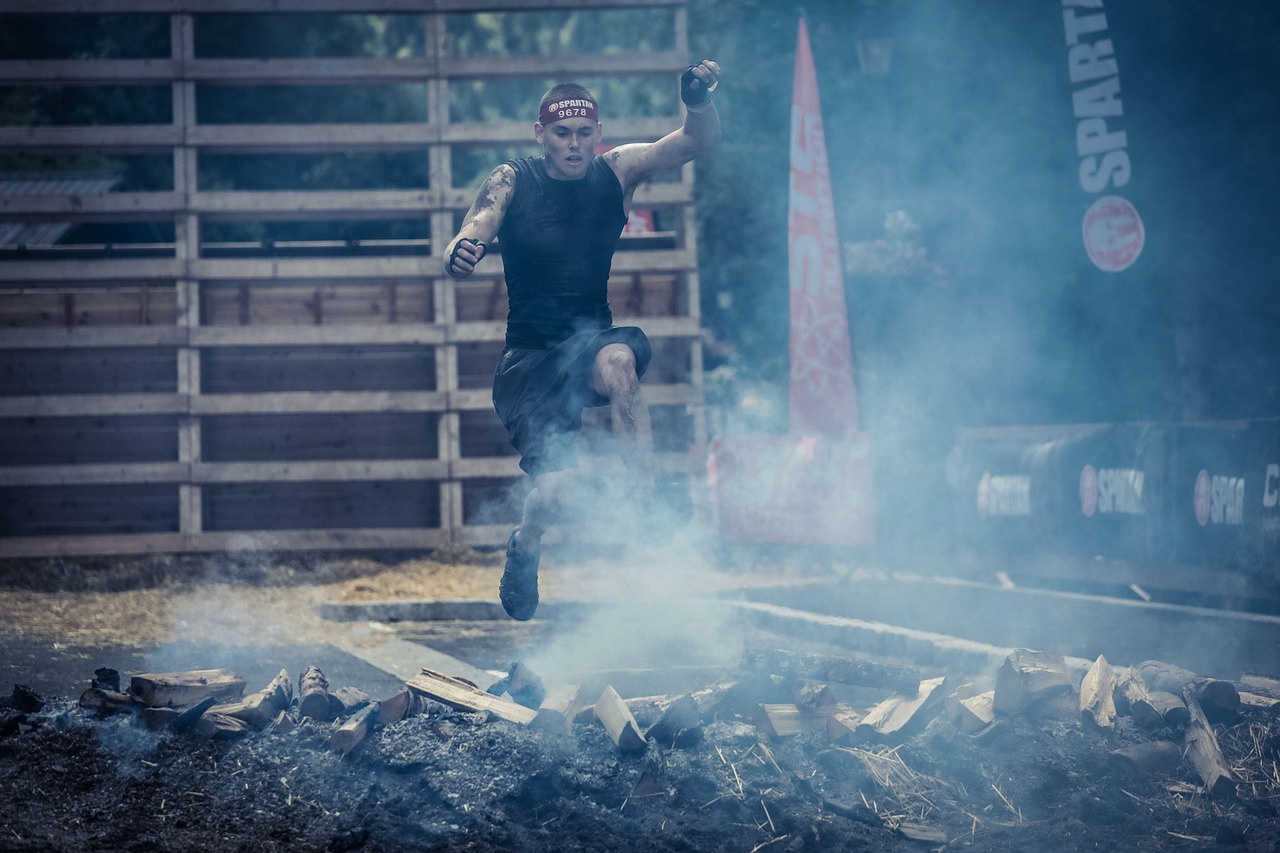
Obstacle Course Racing (OCR) challenges athletes physically and also mentally. Integrating mindfulness practices can significantly enhance performance in OCR events. Mindfulness allows athletes to stay focused, reducing anxiety and improving reaction times. Athletes can utilize techniques like meditation and breath control to maintain clarity. This mental discipline translates to better decision-making during races. Implementing these techniques aids in mastering obstacles more effectively. Athletes who practice mindfulness report increased enjoyment during training sessions as well. As a result, they also experience reduced fatigue and enhanced energy levels. Strategies like visualization can create a mental map of the course, helping to boost confidence. Additionally, breaking down each event into manageable components fosters a closer connection to the training process. Engaging with the surrounding environment through mindful techniques reinforces athletes’ awareness of their performance. Ultimately, an integrated approach encourages a balanced mindset, making athletes more resilient during competitions. This results in a holistic development that nurtures both physical and mental strength in OCR athletes. Thus, incorporating mindfulness practices offers an avenue to elevate overall race performance for dedicated OCR competitors. It provides tools necessary for long-term growth and enjoyment within the sport.
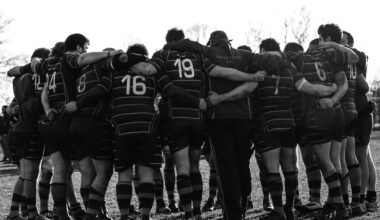
Mindfulness benefits esteemed coaches and their athletes. Coaches can apply techniques to enhance group dynamics, leading to better teamwork. Building a culture of mindfulness within teams cultivates trust and improves communication among members. Creating a supportive environment allows athletes to thrive, empowering them both personally and collectively. Coaches can facilitate discussions around mindfulness during training sessions, fostering open dialogue and sharing experiences. Integration of mental strategies enhances tactical planning and execution during races. By implementing mindfulness exercises, coaches can help athletes recognize their stressors and develop coping mechanisms. Examples include guided meditation sessions before competitions and breathing exercises during breaks. Building this routine establishes a structured way to manage pre-race jitters, aiming to boost overall performance. Observations indicate that teams embracing mindfulness tend to demonstrate lower levels of performance anxiety. Maintaining mental clarity allows a better connection with one’s body during races. This results in heightened focus on movement and technique, ultimately enhancing efficiency. Coaches should prioritize this practice in training programs, leading by example and actively participating in mindfulness practices. This initiative lays a foundation for a culture that prioritizes mental well-being along with physical preparation for obstacle racing.
Another essential aspect lies in the role of mindfulness during race day. Athletes often experience overwhelming pressure leading to diminished performance. Employing techniques to channel this energy is critical for success in an OCR context. Pre-race rituals focusing on breath control assist athletes in centering themselves, paving the way for peak performance. This mental preparation establishes a clear mindset, allowing them to focus only on the upcoming obstacles. Visualization techniques also come into play, enabling athletes to mentally rehearse specific movements and identify potential pitfalls. This practice not only builds confidence but also reduces nervousness by anticipating challenges. Preparing the mind is just as crucial as physical training, as the mental aspect can determine success or failure in competitive environments. Learning to embrace the unknown while racing helps cultivate adaptability, a key trait in OCR. Those who effectively employ mindfulness during competitions can recover from setbacks, learning to pivot as necessary. An athlete well-versed in mindfulness stands a better chance of overcoming obstacles that might have seemed insurmountable otherwise. Thus, incorporating these practices into the race-day routine proves invaluable, laying a framework for competitive readiness and mental fortitude in OCR racing.
Developing a Mindfulness Routine
Establishing a consistent mindfulness routine can make a substantial difference in training effectiveness for OCR athletes. Athletes should aim to integrate short, daily mindfulness practices into their training schedule. Even meditation periods of 5-10 minutes can yield significant benefits over time. By committing to this regular practice, they cultivate awareness of their thoughts and emotions, fostering a positive performance mindset. Additionally, using mindfulness during cooldown sessions can help athletes reflect on their training and recovery. This aids in recognizing areas that may need improvement or adjustment. Participants in OCR training should also consider working with professionals experienced in mindfulness techniques, offering tailored guidance. Group mindfulness sessions can enhance camaraderie and collective mental strength as well. Athletes may also opt for flexibility in their routines, adapting practices based on specific training needs or challenges faced. This flexibility underscores the importance of personal connection in mindfulness approaches. Daily journaling can complement mindfulness exercises by allowing athletes to document their progress and challenges. Incorporating these techniques into a competitive mindset fosters adaptability, resilience, and essential mental clarity in racing experiences.
Nutrition also plays a significant role in the effectiveness of mindfulness training for OCR athletes. Healthy eating habits contribute to overall well-being and mental clarity, enhancing mindfulness practices. Foods rich in omega-3 fatty acids, antioxidants, and vitamins support cognitive function, enabling better focus during races. Incorporating whole foods and reducing processed items fosters a conducive environment for mindfulness training. Hydration is equally vital; ensuring adequate fluid intake keeps athletes performing at their best both physically and mentally. Meals should be timed appropriately to sustain energy levels throughout training and races. Combining nutrition education with mindfulness practices empowers athletes to make informed choices that nurture both body and mind. Additionally, learning to eat mindfully, appreciating each meal, contributes to a better relationship with food. Dedicating time to meals encourages athletes to translate mindfulness from training into daily living. Consequently, athletes become more in tune with their bodies, recognizing indicators of hunger and fullness. This awareness extends back into the arena, leading to better performance and understanding of their physical limits. A holistic approach involving nutrition greatly enhances mindfulness practices, creating a more profound connection to the OCR journey.
Mindfulness and Recovery
Recovery transcends physical aspects; it requires mental awareness and reflection. Strengthening recovery strategies through mindfulness practices can lead to faster healing and better performance. Implementing restorative practices, like yoga and meditation, allows athletes to foster a calm mind and rejuvenate their bodies post-training. This involves intentional time for athletes to connect with themselves, enabling acknowledgment of their physical and mental states. Utilizing these techniques creates awareness of tension within the body, making it easier to address. Breath control during recovery helps facilitate relaxation, promoting a holistic approach that enhances both mental and physical recovery. Regularly assessing levels of fatigue and stress helps athletes identify potential red flags before they escalate. Additionally, journaling during recovery periods encourages athletes to document feelings, thoughts, and physical sensations, leading to greater self-discovery and successful recovery strategies. This practice reinforces the importance of rest and personal awareness in enhancing performance. Ultimately, developing mindful recovery techniques not only optimizes training but also cultivates a stronger connection between mind and body. OCR athletes who recognize the value of recovery equalize their training efforts, paving the way for overall success in their journey.
Creating a community around mindfulness within OCR culture can fortify athletes’ mental resilience. Networking with like-minded individuals allows athletes to share experiences and foster a supportive environment. Online forums and local meetups offer platforms to discuss techniques and challenges related to mindfulness practice. Forming study groups helps further cement commitment to mental disciplines, exchanging insights and accountability. Additionally, participating in mindfulness workshops or retreats enhances understanding of the subject, deepening personal practices. Engaging in collective activities cultivates a sense of belonging and motivates athletes to maintain their journeys toward mindfulness and well-being. Accessibility to various resources online assists individuals in their practices and learning. Athletes can discover guided meditation apps designed specifically for their needs, ensuring that resources remain readily available. By promoting a culture of mindfulness within the OCR community, athletes benefit not only from personal growth but also from a shared understanding that reinforces resilience. Strengthening this communal aspect leaves a lasting impact on their performance during races. An empowered community nurtures the depth of mindfulness practices, leaving a positive and enriching legacy for future OCR competitors.
In summary, the integration of mindfulness practices in OCR training not only enhances mental well-being but also improves overall athletic performance. Through systematic practice, athletes gain a clearer focus, greater resilience, and better emotional regulation, all of which lead to superior results in competitions. This holistic approach enhances the physical training regime, weaving mental practices into the core of athlete preparation. OCR coaching should therefore adapt to include these practices, enriching the experience for all involved. As mindfulness continues to gain traction in sports science, athletes have emerged as pioneers within the OCR community, forging pathways toward success. Coaches equipped with mindfulness techniques foster environments that prioritize this balance between mind and body. This leads to stronger, more adaptable athletes ready to face the challenges posed by competitive racing. Moving forward, future OCR training curricula must consider incorporating mindfulness at every stage of development. This evolution will create well-rounded athletes capable of tapping into their full potential. The journey of mindfulness in OCR training has just begun; its impact promises to shape the future of this demanding sport. Athletes embracing these techniques will undoubtedly witness transformations that far exceed their initial expectations.