
Optimizing Performance in Team Sports: Coordination and Communication Strategies
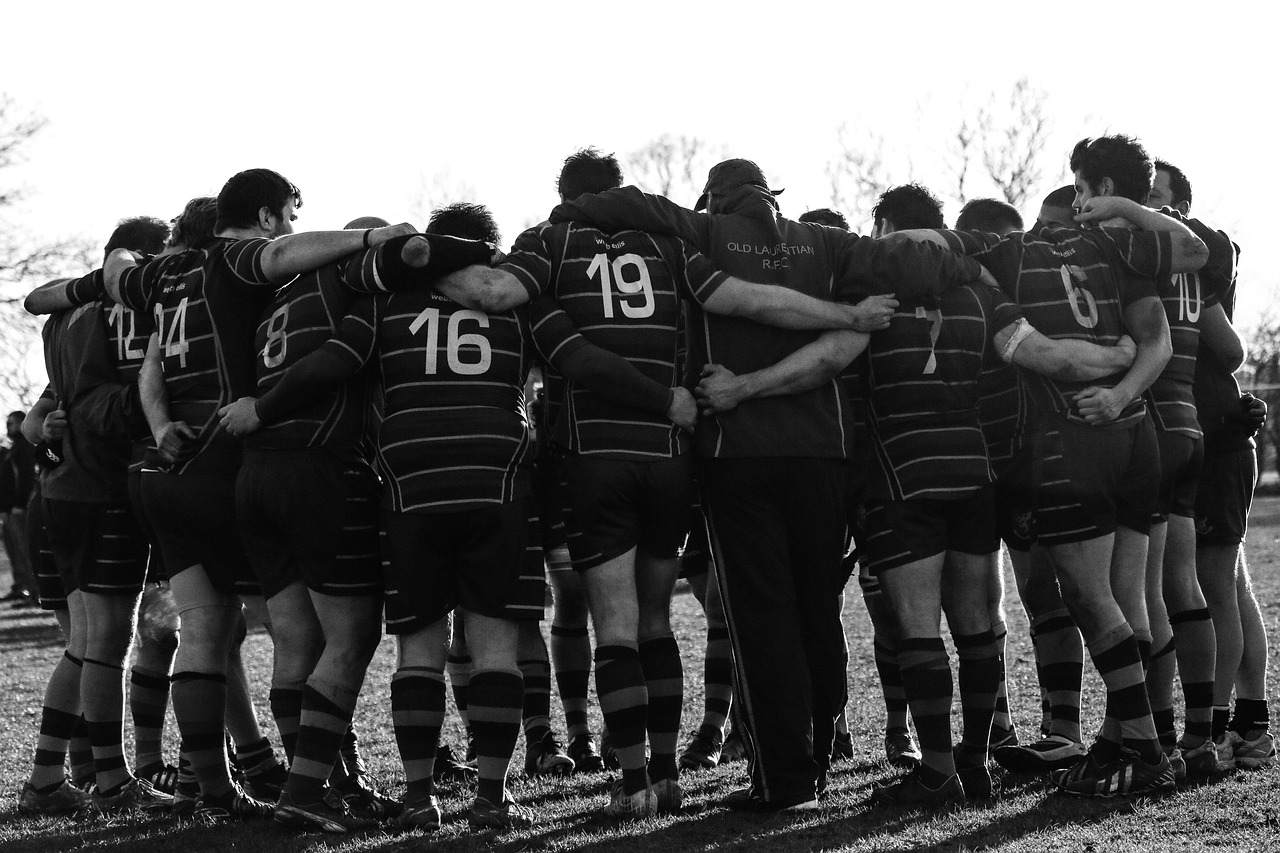
The effectiveness of coordination and communication strategies in team sports significantly influences overall athletic performance. As athletes engage in intense competitions, the synergy among teammates becomes essential. Appropriate communication helps establish trust, enhances teamwork, and ensures everyone understands their respective roles. A lack of clear communication can lead to confusion and mishaps, ultimately hindering performance outcomes. Teams that focus on enhancing coordination tend to be more successful in executing their game plan and adapting to changing circumstances. Therefore, cultivating an environment where open communication flourishes is vital for achieving optimal results on the field. Teams can utilize technologies such as video analysis software to enhance their understanding of strategic communication methods. Such tools allow athletes to visualize their movements, ultimately improving their ability to coordinate tasks efficiently with teammates. Implementing regular meetings for strategy development can also foster understanding and harmony within the group. Athletes should engage in discussions regarding their approaches to maximize efficiency during practice. Prioritizing both verbal and nonverbal communication strengthens team dynamics, allowing athletes to perform at their peak during competition.
Furthermore, establishing a strong foundation of nonverbal communication is vital for optimizing performance in team sports. Nonverbal cues, such as hand signals and body language, allow athletes to convey critical information without disrupting the flow of the game. Coaches can train players to recognize and interpret these signals, fostering a more intuitive understanding of teammates’ actions during high-pressure scenarios. For instance, players can establish a system of gestures that indicates offensive or defensive plays, enabling them to respond promptly without verbal instructions. This level of coordination greatly enhances agility and adaptability on the field. Moreover, when athletes develop trust in each other’s nonverbal cues, it leads to enhanced collaboration during critical moments in matches. To achieve this, teams should integrate nonverbal communication training into their practice sessions. Regular practice will help athletes become more attuned to these essential signals. Additionally, analyzing game footage can be instrumental in refining nonverbal skills. Observing how players reacted to crucial moments can provide insights into improving these cues. Ultimately, a team that effectively leverages both verbal and nonverbal communication will remarkably enhance its overall coordination on the field.
The Role of Technology in Enhancing Communication
In the modern sporting landscape, technology plays a crucial role in enhancing communication strategies, leading to improved athlete performance. Utilizing digital communication platforms, teams can exchange information and tips efficiently, even outside practice hours. Apps and software designed for sports training facilitate real-time feedback, enabling coaches and players to maintain continuous dialogue regarding performance optimization. Moreover, wearables such as heart rate monitors allow athletes to share physiological data with coaches instantly. This real-time data transfer not only helps in fine-tuning individual performance but also contributes to strategic team adjustments during gameplay. Additionally, video conferencing tools offer opportunities for teams to discuss strategies and review past performances together, fostering unity and collaborative improvement. By employing these technological tools, teams can develop a more cohesive understanding of objectives and strategies. Consequently, technology enhances team chemistry, as players remain connected and engaged. Furthermore, advancements in virtual reality enable athletes to experience simulations of game scenarios, improving their decision-making and coordination skills. This innovative approach not only sharpens techniques but also enhances communication, allowing players to work together seamlessly in various situations.
Another critical aspect of optimizing performance in team sports involves focusing on Mental Conditioning. Mental conditioning strategies enhance an athlete’s psychological resilience, enabling them to cope with competition pressure effectively. For teams to perform their best, mental conditioning should be prioritized alongside physical training. This includes strategies such as visualization, mindfulness, and goal-setting, which help athletes maintain focus during high-stakes situations. Visualization techniques allow players to mentally rehearse successful plays and outcomes, positively influencing their belief in their capabilities. By consistently practicing these visualization exercises, athletes can optimize their performance during competitions. Mindfulness training aids athletes in staying present and managing stress, reducing the risk of mental fatigue. Moreover, incorporating regular discussions on goal-setting fosters clarity within the team. Athletic groups that set collective goals can ensure that everyone is aligned towards a common purpose, further driving motivation and commitment. Additionally, engaging with sports psychologists can enhance athletes’ mental conditioning programs, helping them navigate challenges more effectively. As athletes learn to balance their mental and physical performance, they can optimize their overall functioning on the field and during competitions.
Collaboration with Coaches
Coaching collaboration also plays a vital role in optimizing performance within team sports. Coaches must cultivate open lines of communication, providing constructive feedback while remaining approachable to foster a positive team culture. Involving athletes in decision-making can empower them to express their views and insights. This participatory approach creates a sense of ownership, motivating athletes to commit fully to the team’s goals. Engaging athletes in dialogue about their training, performance, and strategies not only strengthens the coach-athlete bond but fosters a stronger team dynamic. Additionally, coaches should prioritize one-on-one meetings with individual athletes to discuss progress and set personal targets. This personalized attention encourages athletes to voice concerns and aspirations related to their performance. Furthermore, structuring team meetings around skill development and strategy improvement can allow athletes to collaborate and brainstorm ideas effectively. During these sessions, coaches can facilitate discussions that promote team bonding and unity. Utilizing feedback from athletes can result in collaborative strategies that build a stronger team capable of overcoming challenges together, ultimately leading to enhanced performance during competitions.
Developing effective strategies for practice sessions is key to fostering coordination and communication among team members. Coaches should prioritize session designs that emphasize teamwork, focusing on drills enhancing interaction. Incorporating small-sided games into practice encourages players to develop communication skills while regularly engaging in simulated game scenarios. This format promotes higher involvement and participation, allowing athletes to establish improvisational skills and strategies organically. Additionally, utilizing review sessions after practice highlights areas where communication and coordination need improvement. By dissecting drills and performances, teams can collaboratively identify effective strategies that foster a supportive environment. Moreover, encouraging athletes to provide feedback to one another can facilitate peer learning and strengthen team dynamics. Organizing team-building exercises outside of traditional practice days can further enhance communication skills, as athletes bond over shared experiences and develop trust. Such activities allow players to connect on a personal level, further instilling empathy and understanding among teammates. Ultimately, prioritizing a multifaceted approach to practice ensures a well-rounded strategy enhancing both coordination and communication in preparation for competitive performance.
Conclusion
In conclusion, optimizing performance in team sports relies significantly on effective coordination and communication strategies. By cultivating an environment that prioritizes open dialogue and incorporating both verbal and nonverbal communication tactics, athletes can achieve remarkable improvements. Coaches play a crucial role in this development, encouraging a culture of collaboration and constructive feedback, ultimately strengthening team bonds. Utilizing technology facilitates real-time communication and fosters stronger connections among team members. Implementing mental conditioning techniques ensures that athletes remain focused and resilient, equipped to tackle the pressures of competition. Additionally, well-structured practice sessions and team-building activities enhance the synergy essential for success in team sports. By prioritizing these strategies, teams can unlock their full potential, elevating their overall performance. As coaches and athletes continue to build upon communication and coordination skills, they pave the way for sustained success in future competitions, ultimately enhancing their journey in the realm of athletics. Through dedication and teamwork, the collective effort will enable athletes to overcome obstacles, showcasing the true spirit of sportsmanship.
Optimizing performance in team sports requires collective efforts by athletes and coaches alike. Integrating strategies that enhance coordination and communication not only prepares athletes for competitive challenges but also establishes a lasting legacy. Performance improvement hinges on fostering relationships based on trust, collaboration, and shared goals. Athletes should be encouraged to actively engage in dialogue, voicing concerns, and ideas. Coaches must lead by example, demonstrating the importance of effective communication through their interactions with the team. Emphasizing a holistic approach to training will ensure athletes are well-prepared mentally and physically. As teams explore innovative ways to communicate, they’ll discover new pathways toward success, proving that teamwork indeed makes the dream work.