
Kids Slackline Games: Making Practice Enjoyable
Slacklining is an exciting outdoor adventure that develops balance, focus, and strength in children. Introducing kids to slacklining can be a fun experience, as it not only helps improve their athletic skills but also fosters teamwork and communication. Children can engage in various games while practicing slacklining that boosts their confidence and encourages a positive attitude towards physical activity. Here are some excellent slackline games that kids among their peers will greatly enjoy. For instance, one popular activity involves creating a balance challenge on the slackline. Start by placing a few colorful hula hoops or cones nearby, encouraging children to jump off the slackline and land in them. This combines their jumping skills with balance attempts. Another game could involve timing each other to see who can balance the longest on the slackline, which adds an element of competition. These games make the practice less about just getting across the line and more about fun adventures and skills. Encouraging creativity and letting kids design their games can immensely improve their overall experience and outcomes with slacklining.
As children start to develop their slacklining skills, introducing simple games can motivate them to practice regularly. For instance, a classic game of ‘follow the leader’ can be adapted to the slackline. Designate one child as the leader who will demonstrate various ways to walk across the slackline, ensuring that unique movements are offered, such as sideways walking or even hopping. The other children can mimic the leader’s moves, which not only adds enjoyment but challenges each kid to improve their skills. To increase the fun, you could introduce elements like music while they slackline. Having a play timer adds excitement as children can dart from one end to the other while dancing to beats. This game enhances their technique and helps them build agility and coordination. Using various sound patterns can help signal turns or tricks, combining auditory feedback with visual challenges. Furthermore, ensure that all children feel included in the slacklining experience. Keep introducing challenges that suit different skill levels, allowing children to succeed and enjoy their progress over time as they build their confidence.
Creative Approaches to Slacklining
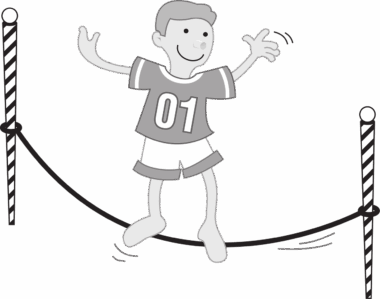
To maintain interest levels among kids while practicing slacklining, introducing themed adventures can be very effective. For example, generating a pirate-themed slackline activity might spark excitement in children. Create a scenario where kids can be pirates crossing a dangerous sea on their slackline. You could have inflatable obstacles or wearable pirate accessories to make it more immersive, adding an imaginative err to the activity. Children can take turns being captains who lead their crew across the “ocean” without falling off. Another fun idea is to turn the slackline into a ”tightrope,” where children channel their inner circus performer. You can even add some juggling balls, with the challenge of balancing while tossing them in the air. These creative themes rejuvenate their excitement about slacklining and keep practice sessions fresh. It also builds camaraderie as kids celebrate each other’s successes and imaginative approaches. When they feel good about their artistic spins on slacklining, they generate a constant desire to participate and practice more diligently in the future.
Friendly competitions can be an excellent way to motivate kids to practice slacklining more frequently. Organizing mini-tournaments on the slackline can create an engaging atmosphere while also providing a platform for children to showcase their progress. Different challenges can be arranged, such as who can spin the fastest while balancing or who can perform the most tricks in a limited time. You may also consider adding difficulty levels to increase the challenges, like changing the width of the slackline or having them balance with a partner. By providing rewards, such as medals or fun stickers, kids are encouraged to engage more actively. This added recognition makes them eager to develop their skills beyond simple practice. Feedback from their peers enhances their performance as they cheer each other on, creating a supportive community. Moreover, such friendly competitions foster social connections among them, promoting healthier social interactions outside the competition. Therefore, a balance of encouragement and play makes slacklining more enjoyable, offering an enriching experience for children. These tournaments not only motivate kids but also create fantastic memories together.
Incorporating Learning with Fun
Blending education with slacklining can foster a deeper awareness among kids about the importance of balance and focus. Implementing a ‘challenge of the day’ format can yield great results where kids learn specific skills while competing for the best time or technique. For example, dedicating a day to practicing balance by walking from one end to the other while focusing on a specific target encourages focus. Such challenges can revolve around topics like physics, teaching them about gravity, momentum, or even integrating math skills by calculating the distance on the slackline. Creative crafts can also come into play: allowing children to visually track their progress by designing a colorful chart where they can add stickers each time they achieve goals. By mixing education into the slacklining, children will find themselves much more engaged and excited about their sessions. It’s essential to encourage dialogue as they explore concepts of motion and balance, having all explanations grounded in hands-on experiences. This profound linkage of education and fun guarantees that slacklining stays a beloved activity, combining physical skills with mental growth.
Creating an open line of communication with the kids allows them to express their feelings and preferences towards slacklining practices. Take the time to listen to their suggestions on games or challenges they might want to include. Some kids may enjoy themes relating to their favorite shows or characters, while others may prefer certain types of competitions. Such interactions not only build trust but also empower them to take ownership of their learning. Encourage their creative outputs through brainstorming sessions, allowing children to share and act upon their imaginative slacklining ideas. By doing so, you share responsibility and signify that their input matters, which helps foster enthusiasm about the activity. Furthermore, be mindful of each child’s personal interests and talents; adapting the slacklining practice to meet these differences supports their individual growth. Even allowing for free time where they can play without structured rules can lead to unexpected discoveries and fun learning experiences. Empowering children in slacklining ultimately creates lasting motivation and joy as they cultivate a healthy and enjoyable outdoor adventure from their practice times.
Conclusion: The Joy of Slacklining
Ultimately, the journey of introducing kids to slacklining through enjoyable games and creative approaches can be immensely rewarding. Children not only learn physical skills but also develop essential interpersonal skills through collaboration and communication. By maintaining an enthusiastic approach and embedding educational elements into their practices, you maximize learning outcomes while ensuring their experiences remain emotionally and physically engaging. The combination of themed adventures, competitive activities, and open discussions creates a rich environment where children can thrive. As they bond through experiences that foster friendships and community, slacklining becomes not just an activity but a cherished part of their childhood. Thus, guiding them in slacklining opens doors for both fun and learning, allowing them to keep discovering their capabilities through outdoor adventures. Parents, instructors, or leaders play a crucial role in nurturing these feelings among kids. When they succeed in creating joyful, memorable practice sessions, they shape children’s overall relationship with physical activities. This connection can spark a lifelong passion for outdoor adventures, and children can transition into healthier lifestyles embracing nature’s beauty.
By introducing the art of slacklining through engaging methods, you create lasting memories, skills, and a love for outdoor adventures among kids. So, get out there and let the fun begin!