
First Trimester Workout Myths Debunked
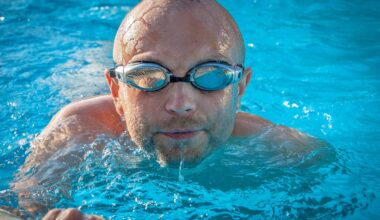
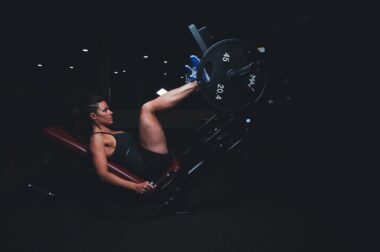
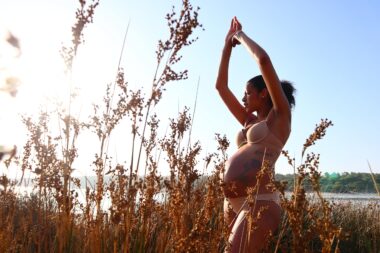
The first trimester of pregnancy can bring about numerous uncertainties, particularly concerning exercise. Many pregnant women might be misled by common myths surrounding workouts during this time. One common myth is that all forms of exercise should be avoided to protect the baby. However, moderate physical activity is generally safe. In fact, prenatal exercise can help reduce common discomforts and enhance mood. Another misconception is that weight lifting is too dangerous. While it is important to adjust the intensity and type of lifts, strength training can be beneficial. It is crucial, however, to consult a healthcare provider about individual conditions. Consistency is also often misunderstood; many believe a strenuous routine is necessary. Engaging in daily, light exercises like walking or swimming can be greatly advantageous. Additionally, many may not realize that core strengthening, with safe exercises, can make labor easier and recovery smoother. Always listen to your body and prioritize comfort during workouts. Finally, the idea that cardiovascular exercise is off-limits is false. Activities such as prenatal yoga or cardio can be tailored to needs. Stay informed and active while adjusting your regimen appropriately.
Another aspect of prenatal workouts is the misconception about high-impact exercises. Many women believe that jumping or bouncing during workouts will endanger their pregnancy. However, gentle modifications and low-impact exercises are completely viable options during this first trimester. This approach promotes cardiovascular health without excessive strain. Pregnant women can navigate through workout routines that involve walking, cycling, or swimming. Such low-impact options keep fitness levels up without the risk associated with high-impact movements, especially as the body undergoes rapid changes. Furthermore, many believe that the intensity of their workouts should increase significantly as they approach the second trimester. It’s essential to focus on maintaining a consistent routine rather than pushing for maximum effort. Emphasizing duration over intensity can provide significant benefits without risking fatigue or stress on the body. It is also important to seek support from prenatal fitness professionals. Many of these trainers specialize in appropriate exercises for pregnant women, tailoring their fitness advice to meet individual needs, including any complications or previous conditions. Utilizing a fitness expert can alleviate many concerns about undertaking workouts in an informed manner, making exercise a safe part of a pregnancy journey.
Emotional Benefits of Exercising
Some might think that exercising during pregnancy will lead to rapid weight gain. While weight gain is a natural part of pregnancy, regular exercise can help manage it in a healthy way. Instead of gaining excessively, women can maintain a level of fitness that promotes well-being and motivates positive lifestyle choices. Good nutrition coupled with prenatal fitness can foster a positive relationship with one’s changing body. Exercise is also linked to decreased anxiety and enhanced mood. When pregnant women engage in workouts during the first trimester, they may notice improved sleep quality and lower stress levels. Engaging in physical activity releases endorphins, which are often referred to as “feel-good” hormones. This can help mitigate pregnancy-related mood swings. Additionally, connecting with fellow expectant mothers through group classes can enhance the emotional benefits of exercising. Social interaction plays a vital role in promoting positivity and support. To see results and reap these emotional rewards, consistency is key. Regularity in workouts can assist women in coping with the mental challenges of pregnancy. Furthermore, yoga, in particular, emphasizes breathing techniques and mindfulness, proving highly beneficial for emotional stability.
Another common myth surrounding first trimester workouts is the belief that specific exercises are strictly prohibited. While certain movements are best avoided, like those that involve heavy contact or potential falls, many exercises can be altered to fit a pregnant woman’s needs. For instance, lying flat on the back for extended periods is often discouraged beyond the first trimester, but plenty of modifications exist to allow pregnant women to continue working out safely. Exercises focusing on strength can often be adapted, using lighter weights or focusing on higher repetitions with minimal resistance. Furthermore, understanding the body’s signals during exercise is crucial. If experiencing fatigue, dizziness, or shortness of breath, it’s essential to rest and consult a professional. Hydration is another vital part of exercising while pregnant. Women often underestimate the need for ample hydration before, during, and after workouts. Adequate fluid intake supports overall health and helps reduce the risk of headaches and fatigue. Prioritizing a proper cool-down routine post-exercise can also enhance recovery. Keeping these factors in mind can empower women throughout their pregnancies and encourage them to remain active, benefiting both themselves and their babies.
Listening to Your Body
Adapting fitness routines for each trimester can also be quite a misconception for many. Some might think that a standard workout plan will be sufficient throughout the entire pregnancy. However, as the body goes through remarkable changes, adapting workouts accordingly is key. In the first trimester, the emphasis should be on building a foundational fitness level that can be enhanced in later trimesters. Maintaining flexibility is equally important, allowing expectant mothers to adjust their workouts based on how they feel. Consulting with professionals who specialize in prenatal fitness can provide valuable insights into evolving routines safely. For those who enjoyed high-intensity workouts previously, scaling back to moderate workouts can make a huge difference. Pilates and tailored yoga routines become essential, as these can continue throughout pregnancy, accommodating transitions into later stages while building core strength. Thus, expecting mothers should stay proactive about adjusting intensity levels and listening to what their bodies communicate. This awareness not only ensures safety but enhances the overall pregnancy experience while keeping activity enjoyable rather than burdensome. When rightly approached, fitness can be a source of empowerment as pregnancy progresses.
In conclusion, there are numerous myths that can mislead expectant mothers regarding working out during the first trimester. With facts and education, these misconceptions can be debunked, creating a more positive outlook on exercise. Pregnant women should embrace moderate activities like swimming, walking, and low-impact strength training with the knowledge that staying active is beneficial. Maintaining a balanced workout routine doesn’t just promote physical health; it also significantly influences mental well-being. Emotional balance achieved through exercise creates lasting advantages as pregnancy progresses. Building a support network within classes or through social media can further enhance motivation during workouts. Many women are surprised to find that other mothers share similar experiences, and this encouragement can be incredibly powerful. Regular monitoring of one’s comfort level during initiations helps avoid stress or risk during workouts. As women navigate their pregnancies, focusing on a holistic fitness approach establishes a healthier mindset. Ultimately, being well-informed about prenatal fitness fosters resilience and empowerment, turning potential worries about exercise during pregnancy into a positive journey toward motherhood.
As you start adjusting to the changes during your first trimester, remember to prioritize self-care. Staying active does not mean adhering to an unrealistic exercise program. Instead, it’s about finding manageable activities that align with your evolving body. This period is also excellent for establishing healthy habits that will carry over into your postpartum journey. Combining fitness with nutritious eating practices can positively affect your both mental and physical health. This union allows for energy to sustain throughout the day, thus minimizing fatigue commonly linked to early pregnancy. It’s crucial to consult healthcare providers at the onset of any routine ensuring workouts adhere to individualized needs, especially regarding pre-existing health issues. Review and possibly modify your workout plans with these considerations to ensure continued safety. Furthermore, keeping an open mental framework not only eases the adaptation process but also creates opportunities for longer-term effects beyond pregnancy. The first trimester serves as a crucial time for learning your own preferences and limits. Therefore, focusing on sustainable practices can make all the difference. As you go through this transformative journey, remember that your well-being and comfort remain paramount. Embrace this new phase with knowledge and enthusiasm.
Through the understanding of myths surrounding first trimester workouts, expectant mothers develop a new outlook on physical fitness during pregnancy. Distinguishing between fact and fiction allows women to embrace their prenatal journey while remaining active, empowered, and knowledgeable about their limits. By staying informed, seeking support, and maintaining a regular exercise routine, they can reap numerous benefits. This not only prepares them for the challenges ahead but also sets a precedent for a healthy postpartum transition. Engage with other mothers and practitioners in seeking guidance, ensuring that opinions are based on factual information. With these insights, cutting through the misinformation surrounding fitness becomes more straightforward. Allowing the body to adapt and recognizing signs of fatigue and discomfort will benefit both the mother and baby significantly. Balancing physical activity with self-compassion will lead to greater fulfillment in this journey into motherhood. To summarize, prioritizing education and staying connected with professionals enhances each step of the way. Move forward with confidence, relying on personal intuition while remaining aware of how to maintain a functional lifestyle. Debunking these myths empowers women, converting potential negatives into informed choices amidst remarkable changes in their lives.