
Top Prenatal Yoga Poses for the First Trimester
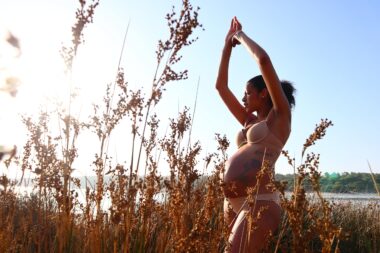
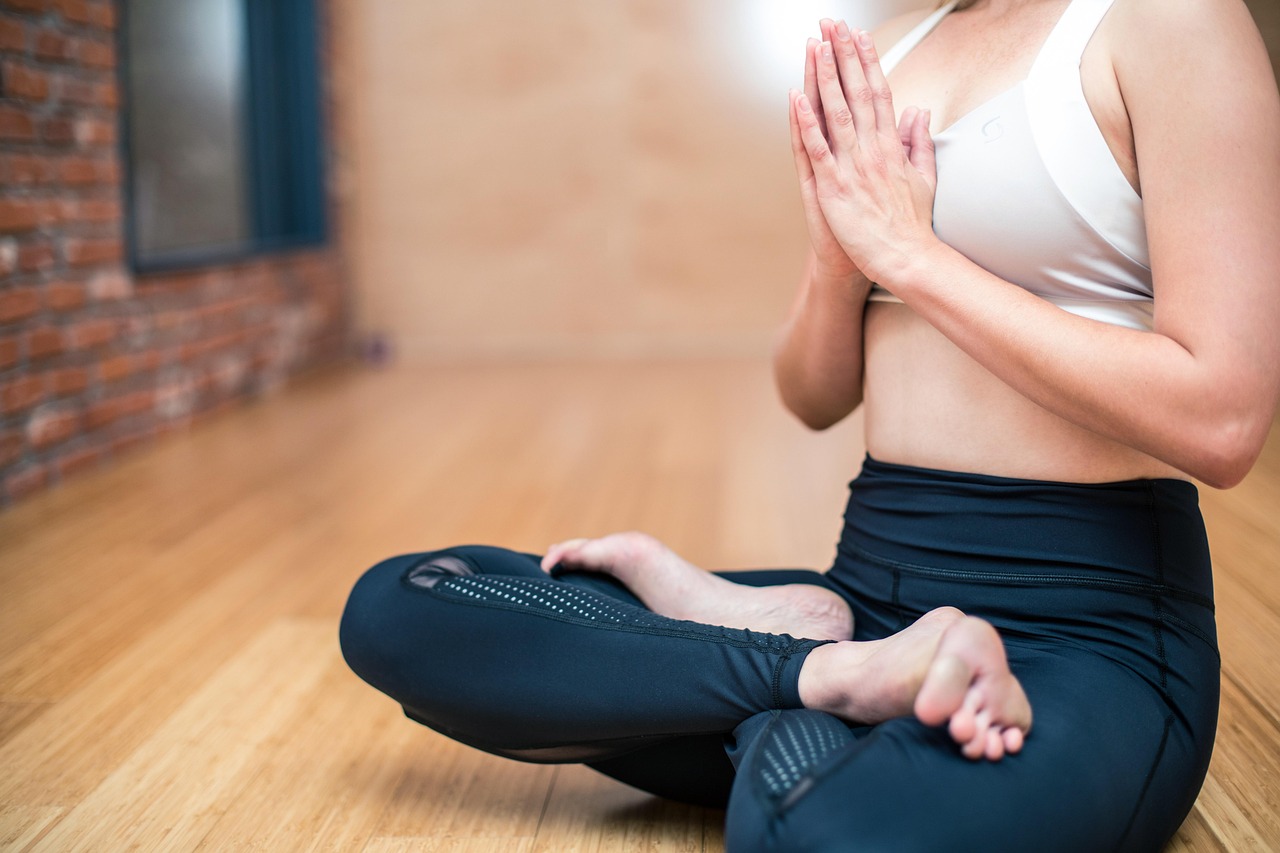
Beginning a prenatal yoga routine in the first trimester can help new mothers adjust to their changing bodies. Gentle movements improve flexibility and strength, promoting a healthier pregnancy overall. One key pose is the Cat-Cow Stretch. Begin on all fours, engage your core, and alternate between arching and rounding your back. This pose gently warms up the spine and relieves tension. Additionally, the Child’s Pose can provide a comforting stretch. Kneel on your mat, sit back on your heels, and stretch your arms forward on the ground. This position fosters relaxation and connection with your baby. Remember to focus on your breath as you practice these poses, inhaling deeply and exhaling slowly. This mindful breathing can alleviate stress and promote overall well-being during the first trimester. Incorporate these stretches into your regular routine, aiming for at least a few times a week. However, always consult your healthcare provider before starting any exercise program. Prenatal yoga should always feel good, not painful, so listen to your body, adjusting as needed for comfort while practicing yoga.
Benefits of Prenatal Yoga
Practicing prenatal yoga during the early stages of pregnancy has numerous benefits for mothers. Firstly, yoga can enhance mental clarity and emotional stability which can be beneficial during hormonal changes. Mindfulness practice through yoga helps reduce anxiety and provides a sense of calm amidst the physical changes. Enhanced flexibility gained through key poses supports the body’s ability to adapt as it grows, minimizing discomfort. Another important aspect is improved circulation. Prenatal yoga poses encourage blood flow throughout the body, promoting oxygen delivery to both mother and baby. Furthermore, this practice can alleviate common first trimester complaints, such as nausea and fatigue. Many poses aim to relieve lower back pain, adjusting posture and alignment. Connecting movement with breath strengthens the mother’s bond with her developing baby. Engaging in yoga classes can also create a supportive community among expectant mothers, fostering connections that can continue long after childbirth. As with any physical activity, it’s essential for mothers to listen to their bodies and practice within their limitations. Ensuring a safe routine can help mothers fully embrace their transformative journeys with joy and empowerment.
The Warrior I pose is another exceptional choice for the first trimester. To practice this pose, step one foot back while bending the front knee and lifting the arms overhead. This pose strengthens the legs and opens the hips while promoting balance and stability. Additionally, the Mountain Pose, which emphasizes grounding and relaxation, is essential for overall posture. Stand tall, feet together or hip-width apart, grounding into the ground with your feet. Lengthen the spine, drawing your shoulders back. This alignment helps alleviate low back pain and promotes awareness of body mechanics. Pregnant women can also explore the modified version of the Downward Facing Dog. Bend forward from the waist, dropping into a forward fold and keeping your knees softened. It stretches the spine and calms the mind, promoting a gentle energetic shift. Always ensure proper alignment to maximize the benefits of each pose. Poses must feel comfortable and should be done at a pace that feels right for you. Each session can enhance physical and emotional well-being, preparing the mother for a nurturing and supportive experience throughout her pregnancy journey.
Staying Hydrated and Nourished
Incorporating hydration and nutrition is equally important alongside your prenatal workouts. As you participate in yoga sessions, remember to drink ample water before, during, and after practice. Adequate hydration helps maintain energy levels and supports overall bodily function. It also assists in reducing common symptoms like fatigue throughout the first trimester. Alongside hydration, maintaining a balanced diet can empower mothers-to-be. Focus on whole foods rich in nutrients that support both baby and mother’s health. Leafy greens, whole grains, lean proteins, and healthy fats are ideal choices. Consuming a diet high in vitamins, particularly folic acid, can promote fetal development. This nourishing approach complements the physical aspect of yoga. Opt for snacks like fruits, nuts, or yogurt before your sessions to support your energy needs. Of course, listen to your body’s hunger cues, ensuring a balanced intake of nutrients at regular intervals. Nutrition and hydration go hand in hand with physical activity, creating a foundation that aids in a smoother pregnancy experience. With wellness as the focus, navigate the first trimester confidently and healthily.
In addition to physical benefits, prenatal yoga introduces a unique opportunity for emotional bonding. Expectant mothers often experience a myriad of feelings, from excitement to anxiety. Engaging in yoga provides a designated time for reflection and connection with the growing life inside. Integrating mindfulness practices during sessions enhances this connection. Consistently practicing poses encourages relaxation, allowing mothers to place their hands on their bellies, reinforcing the bond. Prenatal yoga offers a space to cultivate patience and acceptance of the evolving body and its changes. As mothers embrace yoga routines, they often find a deeper sense of community among fellow participants, exchanging experiences, tips, and support. This shared journey through pregnancy builds great friendships and support systems, ultimately easing the emotional burden. It’s common to face challenges, and knowing you are not alone can be quite comforting. Sharing stories of each woman’s journey fosters camaraderie and empowers lasting relationships. So, join prenatal classes and connect with others in your community. Embrace the shared experience of pregnancy, and remember, each yoga session brings about new discoveries about yourself and your journey into motherhood.
Listening to Your Body’s Signals
Listening to your body’s signals is crucial when practicing yoga during the first trimester. Every pregnancy is unique, so it’s essential to focus on how poses feel rather than sticking rigidly to a routine. If a certain posture causes discomfort or feels strenuous, do not hesitate to modify or skip it entirely. Always prioritize personal comfort over making your practice conform to a specific style or tradition. Staying in tune with your body’s needs promotes a healthy attitude toward pregnancy and physical activity. Invite your body to share its wisdom through gentle stretches that invite relaxation rather than strain. As your pregnancy progresses, you may find you need to alter your practice further. Use props like blocks or straps as needed to ensure safety and stability. It’s perfectly acceptable to adapt poses as needed to accommodate your growing belly and changing body. Talk to your instructor about proper modifications for each pose, ensuring safety throughout your practice. Empower yourself with the knowledge that your body knows best and trust it. Cherish this period, allowing your body to navigate the journey of pregnancy with grace and strength.
Finally, consider incorporating relaxation techniques to complement your physical yoga practice. Guided meditations, breathing exercises, and visualizations can enhance the calming effects of your prenatal yoga routine. Exploration of these mindfulness practices supports both mental clarity and emotional resilience. Practicing visualization while in Child’s Pose, for example, can create a nurturing atmosphere where mothers envision connecting with their unborn child. Breathing techniques such as the Ujjayi breath not only calms the mind but also aids in relaxation. This gentle form of breathing soothes the nervous system, fostering tranquility. As you progress through each yoga session, reserve time for gentle deep stretches and restorative poses. Maintaining balance within the journey is vital. Emphasize self-care routines that allow embracing these moments deeply, rather than merely completing an exercise. Engage in post-session affirmations, focusing on positivity and open-heartedness. Celebrate each milestone of motherhood holistically, as yoga becomes a powerful tool for emotional balance. Combining physical and emotional aspects nurtures the growth of both mother and baby holistically. Embrace yoga as a beautiful journey, surrendering with love and trust to the process.