
The Psychology of Cycling and Fitness Adherence
Cycling is an effective way to improve fitness and enhance mental well-being. The psychological benefits of cycling go beyond mere physical health, making it not just exercise, but a way of life. Many individuals struggle with adherence to fitness routines, yet cycling presents a unique opportunity to develop habits that stick. Setting achievable cycling goals contributes to motivation and success. Joining a cycling group can also substantially improve adherence. In social settings, accountability helps individuals remain committed to their fitness journey. Adopting a positive mindset can enhance enjoyment and consistency, making cycling a more fulfilling activity. Emphasizing personal progress rather than comparison with others fosters a sense of accomplishment. Creating rituals around your cycling sessions, such as setting specific days or times, can further ground habits. Through visualization and positive affirmations, cyclists can reinforce their commitment. Moreover, experiencing the outdoors while cycling offers added psychological benefits, such as reducing anxiety and stress. Consequently, finding enjoyment in cycling can lead to better adherence, ultimately creating healthier lifestyles. Overall, cycling serves as both an enjoyable hobby and an excellent fitness regimen, influencing psychological and physical health significantly.
Riding a bicycle can provide a transformative experience, affecting our mental outlook and motivation. Understanding the psychological aspects behind cycling adherence involves recognizing intrinsic and extrinsic motivators. Intrinsic motivators include personal fulfillment from cycling, such as the joy of performance and the pleasure of mastering new skills. Extrinsic motivators, including social recognition and fitness rewards, also play a role. Creating a cycling routine hinges on aligning personal values with the activity. Establishing clear objectives, like distance to cover or speed to achieve, establishes a sense of purpose. Remember to track your progress; researching various apps can provide insights into personal metrics. Visualizing your goals and progress reinforces dedication to your cycling endeavors. The social aspect of cycling is integral; cycling groups or clubs can amplify motivation significantly. Sharing experiences and progress with fellow cyclists facilitates a support network. Additionally, friendly competition invigorates the experience, driving cyclists to push boundaries. Engaging in community events enhances commitment levels towards personal targets and builds relationships that enrich the cycling journey. Thus, understanding these motivators can profoundly impact adherence, contributing to long-lasting fitness habits.
Cycling for Mental Health Improvement
Psychological well-being greatly influences physical fitness, especially in activities like cycling. Riding a bike not only enhances cardiovascular conditioning but also serves as an effective antidote to mental health issues such as depression and anxiety. The act of cycling releases endorphins, leading to improved mood and cognitive function. Developing a habit of cycling fosters resilience against stressors, allowing individuals to cope with daily frustrations more effectively. Regular cycling creates a routine that promotes mental discipline and enhances overall emotional stability. Furthermore, cycling in a natural environment can amplify these benefits, as exposure to nature has been linked to reduced feelings of anxiety. Cognitive immersion while cycling allows for a meditative state, leading to improved focus and clarity. With encouraging physical fitness results, cyclists are motivated to continue their journey, which can lead to further psychological benefits. Additionally, engaging in mindfulness during rides helps reinforce positive emotions and satisfaction with progress. Ultimately, the marriage between cycling and mental health is crucial for fostering long-term adherence, wherein each ride becomes a joyful exploration of both mind and body.
Overcoming barriers to cycling is fundamental in promoting fitness and health. Numerous factors can deter individuals from cycling routinely, including time constraints, lack of motivation, or fear of inadequacy. Addressing these challenges involves recognizing personal limitations and strategically planning your cycling efforts. Creating a structured schedule that accommodates biking can mitigate time scarcity. Setting specific days dedicated to riding allows individuals to prioritize their health without guilt. Additionally, developing a positive mindset regarding cycling prowess encourages individuals to begin at their level, gradually increasing intensity as they gain confidence. Overcoming self-doubt through supportive cycling communities can create safe environments. Reducing intimidation by choosing easier courses can also help maintain enjoyment. Understanding personal goals and embracing the joy of cycling rather than forcing a routine can lead to greater consistency. Educating oneself about the numerous health advantages associated with riding can serve as motivation. Finally, improving equipment through personal investments can lead to enhanced cycling experiences. Adopting a cyclical approach to goal setting allows achievement at various stages while preventing burnout. By employing these strategies, individuals may find it easier to join the cycling community and stick to their fitness journeys.
Community Influence on Cycling Motivation
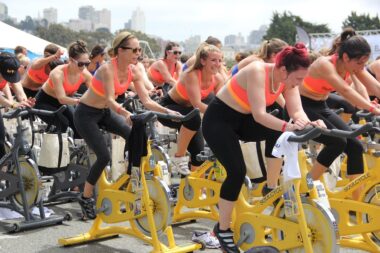
Being part of a cycling community significantly enhances adherence to fitness goals. Engaging with like-minded individuals fosters camaraderie, motivation, and inspiration in pursuing a healthier lifestyle. The sense of belonging to a community can serve as a powerful motivator, considering shared experiences contribute to collective progress. Participating in group rides promotes accountability; knowing others are counting on you encourages regular cycling. Additionally, enjoying social cycling events adds an element of fun to fitness, making it less of a chore. Training with a community offers mutual support that directly impacts individual progress; supportive peers provide encouragement during difficult moments. Mentorship from more experienced cyclists can also motivate newcomers to develop their skills and confidence. Online forums and social media have become crucial in building virtual cycling communities, where members share tips, progress, and experiences. This creates a broader support network, making individuals feel part of something significant. Community events like charity rides and local races further foster motivation and commitment. Ultimately, being integrated into a cycling community acts as a catalyst for maintaining fitness adherence, creating meaningful connections, and enriching the cycling experience.
Setting realistic goals is essential for sustaining motivation in cycling. Many beginners set unattainable targets without considering factors like fitness level, time availability, or local terrain. Establishing achievable, incremental objectives encourages individuals to remain committed and reinforces a sense of accomplishment. Ideally, the target should combine short-term goals and long-term aspirations. For example, beginning with a goal to cycle three times a week for a month can be an excellent way to build a habit. Gradually increasing mileage or exploring new routes can keep the experience fresh and exciting. Tracking progress through cycling apps or journals can also foster motivation; seeing tangible results boosts confidence. Milestones should be celebrated, even if they seem small, reinforcing the positivity of cycling. Furthermore, incorporating variety into routines helps prevent boredom and fosters engagement. Experimenting with different cycling styles, such as road cycling or mountain biking, can ignite enthusiasm. Engagement in structured programs, such as training for events or competitions, offers additional motivation through purpose and preparation. Therefore, cultivating goal-oriented strategies helps ensure cyclists remain focused and dedicated on their paths towards fitness and health.
The Long-term Benefits of Cycling on Adherence
The long-term effects of consistent cycling extend beyond immediate fitness improvements. Developing a sustained cycling routine can lead to lifelong habits that not only enhance health but also promote a greater quality of life. Research indicates that regular cyclists experience lower incidences of chronic diseases, managing weight more effectively and improving cardiovascular health. This direct correlation between consistent activity and health benefits can fuel motivation over time for long-term adherence. Moreover, the social connections formed through cycling are invaluable, serving as vital emotional support throughout life challenges. Shared experiences and enduring friendships formed during cycling contribute to well-being significantly. Additionally, the skills garnered through cycling translate to other areas of life; discipline, perseverance, and goal-setting boost one’s ability to manage various commitments. Individuals who consistently cycle often report higher levels of overall happiness and lower stress levels. Thus, the psychological benefits compound over time, reinforcing the desire to maintain a cycling practice. As individuals see themselves achieving substantial improvements in fitness and health, they are more likely to remain committed to their cycling journey. Cycling serves as a sustainable lifestyle choice, deeply influencing both mental and physical health for years to come.
In conclusion, the psychology of cycling encompasses a range of motivational factors that influence fitness adherence. Understanding intrinsic versus extrinsic motivators can help cyclists maintain dedication over time. The social elements of cycling foster support and accountability while establishing a sense of community among riders. Setting realistic goals, contemplating barriers, and celebrating milestones further bolster motivation and adherence. Moreover, mental health benefits tied to cycling create a preeminent case for integrating this activity into daily life. Personal development through the discipline garnered in regular cycling translates well into various aspects of life, enhancing overall quality of life. Engaging with fellow cycling enthusiasts not only reinforces personal goals but creates meaningful relationships supporting growth. As one immerses themselves into the cycling lifestyle, the relationship between pleasure, fitness, and well-being becomes impenetrable. Thus, utilizing the psychological principles behind cycling can yield unforgettable experiences and lasting impacts on physical and mental health. Cycling serves as more than just a fitness activity; it evolves into an enriching lifestyle that offers tremendous psychological, physical, and communal benefits. Embracing cycling leads individuals to a fulfilling journey of health and happiness.