
Assessing Energy System Contribution During Parkour Jumps
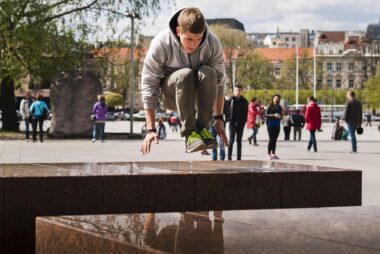
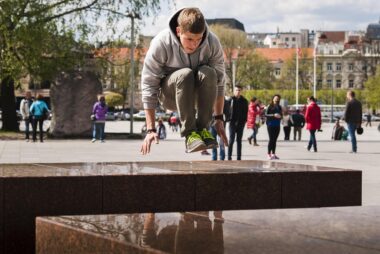
Parkour involves complex movements requiring high levels of strength, speed, and agility, making it essential to understand the energy systems at play. When performing jumps in parkour, two primary energy systems contribute: anaerobic and aerobic. The anaerobic system supports bursts of high-intensity effort, while the aerobic system helps sustain energy over longer durations. During jumps, quick and explosive movements predominantly rely on the anaerobic system. This energy system allows practitioners to generate force rapidly. These jumps include techniques like precisions, vaults, and flips, which demand significant energy output quickly. Consequently, training programs for parkour should account for the development of both energy systems, ensuring a well-rounded physical capability. Transitioning between these systems presents unique challenges during training. Elite practitioners often rely on tailored workouts that mimic the demands of actual parkour scenarios, emphasizing plyometric and high-intensity interval training. As instructors develop skills, they must consider the intensity and duration of exercises, providing a comprehensive approach to energy system training that maximizes performance while minimizing injury risks. Therefore, understanding the relationship between these energy systems is crucial to optimizing parkour performance.
Understanding Energy System Contributions
To appreciate energy systems’ contributions, it’s essential to analyze specific jump types in parkour. Distinct jumps activate various energy pathways, providing insights into optimal training strategies. For example, during a precision jump, the explosive vertical lift and landing require rapid energy release, primarily from the phosphagen system. This phosphate-based energy source is limited but generates immediate power for brief efforts. In contrast, endurance-based jumps, such as those performed in longer training sessions, engage both the anaerobic and aerobic systems to sustain energy over time. The combination of energy pathways enhances overall performance, enabling athletes to transition effectively between skills during fluid movement sequences. To maximize training effectiveness, a structured approach targeting each jump type’s specific energy requirements is vital. Incorporating a mix of strength training, aerobic conditioning, and plyometric exercises ensures athletes develop balanced capabilities. Ongoing assessment of athletes’ energy system contributions through performance tracking is equally essential for tailoring training to individual needs. By understanding these contributions better, coaches can guide athletes toward achieving their peak performance, allowing for safe execution of more complex movements while refining their skills in parkour.
Another critical aspect to consider is fatigue management during parkour training. Fatigue significantly affects an athlete’s energy system engagement and overall performance. As athletes attempt more dynamic movements, muscle fatigue can impact jump efficiency and height. This implies that a comprehensive training program must include strategies to minimize fatigue while maximizing recovery. Adequate rest periods between high-intensity efforts allow the anaerobic system to replenish its energy stores, thus maintaining power output during subsequent jumps. Additionally, integrating proper nutrition and hydration supports sustained energy levels and quicker recoveries, enhancing training quality. Recovery sessions should include light aerobic activities or mobility work to foster blood flow without inducing further fatigue. Testing and analyzing individual fatigue levels throughout various training phases can guide the adaptation of training volumes and intensities specific to each athlete’s needs. Understanding this relationship between energy systems and fatigue management is crucial for parkour training success. Coaches play a pivotal role in monitoring fatigue and adjusting training loads accordingly, ensuring athletes can perform at optimal intensity across all their skill sets while also reducing the risk of injury over time.
The Role of Plyometric Training
Plyometric training serves as a critical component to improve energy system efficiency during parkour jumps. This form of training emphasizes the stretch-shortening cycle, which enables athletes to develop greater explosive power, enhancing their ability to generate force rapidly. Integrating plyometrics into a training regimen specifically targets the anaerobic energy system, which is vital for executing high-energy movements like jumps and vaults effectively. Exercises such as box jumps, depth jumps, and broad jumps force the muscles to adapt, leading to improved performance levels in parkour. Leverage plyometric training not just for strength but to build tendon elasticity and proprioceptive awareness. This approach is crucial for minimizing injury risks by fostering better neuromuscular control and ensuring effective landings on impact. Moreover, variety is key in plyometric programming to prevent plateaus and maintain high engagement. By customizing plyometric routines tailored to specific skills or movements, coaches can maximize athletes’ energy system contributions during parkour practices. This strategy enhances overall performance while promoting efficient energy expenditure and ensuring sustainable practices in intense training environments.
Moreover, understanding biomechanics in conjunction with energy systems provides essential insights into optimizing movement efficiency during parkour jumps. Biomechanical analysis focuses on how forces interact with the body while performing various jumps, with particular emphasis on how these forces relate to energy output. Techniques like vaults and flips require specific angles and force application, exceeding the demands placed by conventional movements. Coaches and practitioners can assess joint mechanics and movement patterns through video analysis and biomechanics software, allowing for data-driven adjustments in training to enhance performance outcomes. This analytical approach offers the opportunity to tailor training strategies around maximizing energy systems’ contributions to optimal biomechanics. Additionally, highlighting the role proper technique plays in energy expenditure is vital—poor biomechanics can lead to unnecessary energy losses during jumps. Consequently, diligent efforts in reviewing athletes’ performance and technique might lead to significant improvements in energy efficiency and overall skill execution. Understanding the intricate relationship between biomechanics and energy systems ultimately contributes to athletes’ long-term performance sustainability in parkour while continuing to target their growth and development.
Future Directions in Parkour Training
As knowledge surrounding energy systems in parkour training continues to evolve, future directives must focus on integrating innovative methodologies and technology. Implementing wearable technology to monitor performance metrics offers real-time feedback on energy expenditures and fatigue levels. These insights enable coaches to develop more personalized training regimens that align effectively with athletes’ unique performance profiles. Furthermore, continued research into sports science will foster a greater understanding of energy system interactions and their implications in various movements specific to parkour. Embracing findings from recent studies can inform training techniques, nutrition strategies, and recovery methods benefiting practitioners. Creating comprehensive study platforms that incorporate diverse participant profiles can also encourage collaboration among researchers, athletes, and coaches to bridge knowledge gaps. Beyond academic research, fostering community engagement through workshops and seminars can elevate the awareness of proper training approaches and energy system contributions during jumps. These efforts will strengthen the overall parkour culture, promoting injury prevention and enhancing performance. Therefore, developing forward-thinking training methodologies rooted in science ensures that athletes can continually innovate within the dynamic and evolving world of parkour.
In summary, assessing energy system contributions during parkour jumps is critical for enhancing performance and minimizing injury risks. By understanding how anaerobic and aerobic energy systems interact during varied jumping techniques, athletes and coaches can develop tailored training regimes focusing on individual needs. Emphasizing the incorporation of plyometric training enhances energy system efficiency, while biomechanical analysis provides valuable insights to maximize technique. Managing fatigue through proper recovery practices ensures sustained energy levels, enabling practitioners to work efficiently in their training. Furthermore, leveraging technological advancements and ongoing research will contribute to a deeper understanding of energy systems, ultimately benefiting athletes in their development. By prioritizing these elements, parkour can continue to evolve, providing practitioners with the tools they need to succeed. The integration of community engagement, personalized training, and scientific inquiry establishes a strong foundation for the future of parkour education. Future developments will focus on safe execution, injury prevention, and intricate performance refinements, ensuring that parkour remains a dynamic and engaging physical discipline. Through the synthesis of these approaches, athletes can achieve their peak potential while navigating the exhilarating challenges that parkour presents.
Conclusion
This comprehensive analysis highlights the importance of energy systems in parkour training. Athletes must prioritize understanding how these systems contribute to performance during jumps. By doing so, they enhance their capacity for explosive movements while minimizing injury risks. Moving forward, coaches and athletes must remain committed to integrating research-based strategies into their training curricula. This ensures sustained growth, efficient performance, and a deeper appreciation of the physical demands of parkour practices. By prioritizing education and utilizing evidence-led training approaches, the discipline can continue to flourish. The ever-changing landscape of athletic performance demands continual adaptation, and parkour practitioners must remain at the forefront of these developments. By fostering a community that values learning and innovation, athletes can build resilience and develop techniques that further revolutionize their practice. Ultimately, the integration of energy system awareness into parkour training serves as a springboard for excellence, engaging participants in a journey toward mastery. This commitment toward understanding energy systems will drive parkour’s future, empowering practitioners worldwide to thrive in their pursuits.