
The Science Behind Isometric Holds and Muscle Activation
Isometric holds are a fundamental aspect of bodyweight exercises, and understanding the science behind them can greatly enhance your training. When we perform an isometric hold, such as a plank or a wall sit, our muscles generate tension without changing their length. This type of contraction allows for increased muscle activation and stabilization. Furthermore, isometric exercises are beneficial for improving strength, endurance, and muscle hypertrophy. Research indicates that during isometric holds, motor units are recruited more effectively than in dynamic exercises. This means that a greater number of muscle fibers are engaged, which leads to better overall muscle development. Additionally, isometric holds are also great for improving joint stability by strengthening the muscles surrounding joints. By incorporating isometric holds into your routine, you can target specific muscle groups and improve overall performance in dynamic movements. It is also a fantastic way to engage your core and enhance overall body control, since isometric holds often require maintaining a stable position under tension. Lastly, isometric exercises are accessible and can be performed anywhere without any equipment.
Furthermore, let’s delve deeper into the benefits of isometric holds during workouts. One notable benefit is that they allow for safe strengthening of various muscles while minimizing injury risk. Since there is no movement involved, the chances of using improper form are significantly reduced, making them ideal for beginners and those recovering from injuries. With isometric holds, various muscle groups can be targeted effectively without straining the joints. This type of training can also lead to impressive strength gains in a relatively short period. Studies demonstrate that incorporating isometric holds may lead to increased muscle growth, as the tension created during these exercises stimulates hypertrophic adaptations. Additionally, isometric exercises can improve overall muscle endurance, as holding a position challenges the muscle’s capacity to maintain tension over time. This endurance is crucial in sports, where sustained performance is necessary. The psychological aspect should not be overlooked either; isometric holds require mental focus and discipline, which contributes to the mind-muscle connection essential for fitness advancement. Thus, adding isometric holds into your routine can result in numerous physical and mental benefits that ultimately elevate your training experience.
Types of Isometric Holds
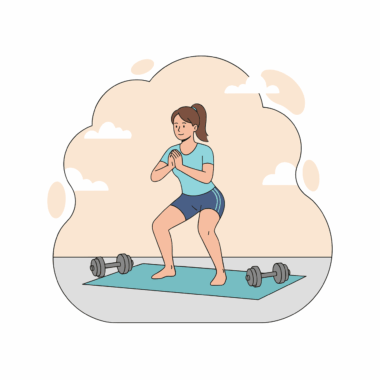
Isometric holds come in various forms and can be adapted to suit different fitness levels and goals. Some common types include the plank, wall sit, and isometric bicep hold. Each of these holds targets specific muscle groups and promotes strength in different parts of the body. For instance, the plank primarily engages the core and stabilizes the shoulders, while the wall sit focuses on the quadriceps and glutes. The isometric bicep hold, on the other hand, specifically targets the arm muscles, helping to increase bicep strength and size. Additionally, isometric holds can be incorporated into traditional workouts by replacing dynamic movements with holds during sets. This approach can effectively increase time under tension, which is crucial for muscle growth. Varied positions and durations should also be considered; for example, aim for a longer hold of 30-60 seconds for endurance, or shorter holds with increased resistance for strength training. You can also adjust the hold’s intensity by changing angles and positions, thus keeping your workouts fresh and challenging. By diversifying your uses of isometric holds, you can enhance your training regimen significantly.
Moreover, isometric holds are particularly effective at enhancing athletic performance. Studies show that athletes who incorporate these holds into their training display greater strength and stability in their respective sports. For example, a gymnast relies heavily on core strength and stability, both of which can be improved through isometric holds. Similarly, runners may benefit from increased leg strength and stability when performing wall sits or lunge holds. Implementing isometric exercises into sport-specific training can positively impact performance metrics, such as speed, agility, and endurance. It’s essential to recognize that besides strength, these exercises also promote flexibility and mobility in joints. As you hold a particular position, your muscles may experience extended time under tension, leading to improved muscle elasticity and range of motion. For optimal effectiveness, athletes should focus on the quality of each hold, maintaining proper technique and control. Ultimately, the consistent integration of isometric holds into a training regimen can yield considerable benefits across various sports and physical activities. When executed correctly, these holds offer potential for enhancing athletic performance in numerous disciplines.
Integrating Isometric Holds into Your Routine
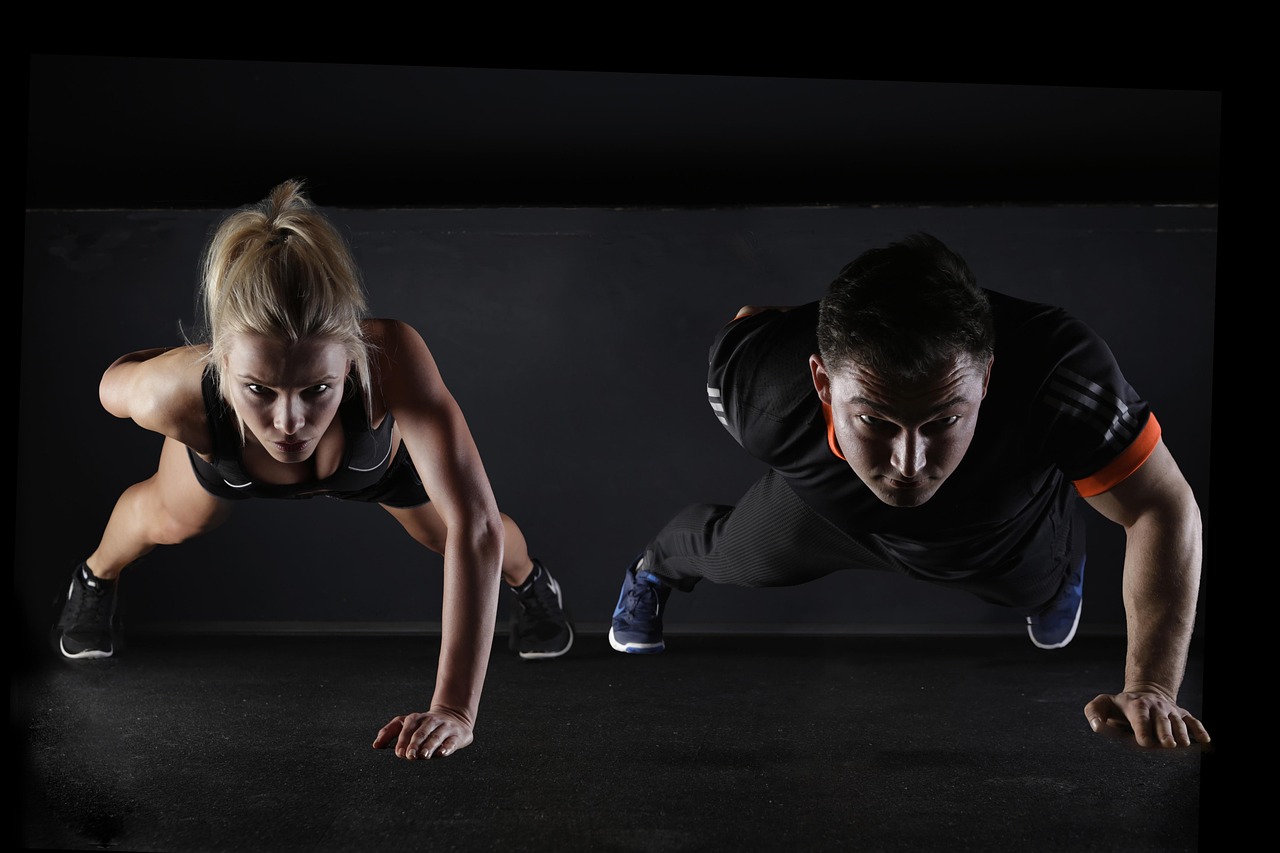
Integrating isometric holds into your fitness routine is easier than it sounds. Start by selecting a few isometric exercises that target different muscle groups and incorporate them into your workout sessions. For instance, combine a plank with a wall sit and a glute bridge hold to create a full-body workout. Aim to hold each position for 30 seconds to a minute, depending on your fitness level. Progressive overload is essential, so as you get stronger, gradually increase the hold time or add variations to increase the difficulty. Another effective strategy is to alternate between dynamic exercises and isometric holds during your workouts. For example, perform push-ups followed by a push-up hold, or squats followed by a squat hold. This will maximize muscle activation and increase the overall intensity of your workout. Additionally, consider adding isometric holds at the end of your workout as a form of active recovery, focusing on maintaining a steady breath while holding the positions. Incorporating these exercises strategically can create a well-rounded routine that builds strength, endurance, and overall body control effectively.
While isometric holds are beneficial, there are some essential tips to ensure effective practice and prevent potential pitfalls during these exercises. First, it’s crucial to focus on proper alignment and technique throughout the duration of each hold, as improper form can lead to unnecessary strain and injury. Bracing your core and keeping a neutral spine are vital while performing holds. This ensures engagement of target muscle groups and avoids compensatory movements. Breathing is equally important; while it may be tempting to hold your breath, it is recommended to maintain consistent breathing throughout holds to prevent fatigue and maintain muscle endurance. Additionally, incorporating rest days into your routine can help prevent overtraining and allow for muscle recovery. Ensure adequate hydration and nutrition to support muscle growth and overall performance. Lastly, listen to your body; if you feel excessive fatigue or discomfort during isometric holds, it may indicate that you need to decrease intensity or evaluate your current program. With these tips, you can safely and effectively integrate isometric holds into your training and reap the benefits that they offer.
The Future of Isometric Training
As fitness continues to evolve, isometric training is gaining increased recognition for its effectiveness and versatility. With the rise of functional training and bodyweight exercises, the inclusion of isometric holds is becoming more prevalent in various fitness programs. This trend may spark a new wave of research focusing on the potential benefits and applications of isometric exercises in different populations, including athletes and seniors. Future studies could explore the long-term effects of isometric holds compared to dynamic exercises, potentially leading to new training methodologies and techniques. Furthermore, as technology advances in wearable devices, tracking muscle activation during isometric holds could improve personalized training regimens. These advancements may also enable practitioners to assess their strength and recovery more accurately, leading to better program designs. Additionally, with fitness professionals increasingly emphasizing the importance of mobility and stability, isometric holds may serve as a foundational component for building strength and improving overall performance. The potential for innovative training programs and research surrounding isometric holds can help further educate individuals on their importance and effectiveness, ensuring that this powerful aspect of fitness remains relevant in the ever-evolving world of health and wellness.
In conclusion, isometric holds are a powerful and effective form of exercise that can significantly enhance muscular strength, endurance, and overall fitness performance. These exercises engage multiple muscle groups while fostering stability, control, and discipline, essential for athletes and fitness enthusiasts alike. By understanding the science behind isometric holds and the benefits they offer, you can develop a well-rounded training program that promotes fitness advancement. Isometric holds not only improve muscle activation but also provide a safe environment for building strength and explosiveness. Through proper integration, frequency, and variation of isometric holds into your workouts, you will elevate your fitness journey and experience impressive results. Moreover, as fitness trends evolve, the rise of isometric training may pave the way for further research and innovation, connecting you to the future of strength training. By embracing these principles, you position yourself to succeed in your fitness endeavors. Continually challenge yourself with diverse isometric exercises to explore their potential fully. Stay informed on the latest scientific advancements, and adapt your training program to gain maximum benefits from isometric holds, contributing to enhanced overall physical performance and improved daily functionality.