
Balancing Electrolytes for Optimal OCR Performance
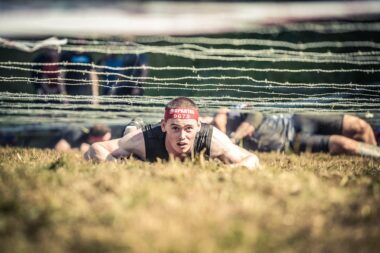
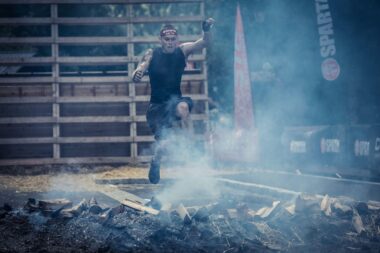
Obstacle Course Racing (OCR) demands a high level of physical endurance, which makes proper nutrition critical for success. Among the various dietary components, electrolytes—minerals in our bodies that carry an electric charge—are pivotal for optimal performance. They play essential roles in muscle contraction, hydration, and maintaining acid-base balance. Without the right balance of electrolytes, athletes may experience fatigue, cramps, or even more severe conditions like heat exhaustion. Sodium and potassium are two of the key players in this area. Sodium helps retain fluid in the body to prevent dehydration during intense physical exertion, while potassium is crucial for muscle function and neural communication. Athletes must be keenly aware of their electrolyte levels, especially as they prepare for races that involve rigorous physical challenges. This awareness can significantly enhance endurance in OCR events, where terrain and obstacles add extra stress to the body. Understanding how to replenish these minerals effectively is essential for OCR athletes. Simple dietary strategies, including consuming electrolyte-rich foods such as bananas, spinach, and avocados, can aid in maintaining optimal levels.
The Importance of Hydration
Effective hydration goes hand-in-hand with electrolyte balance and is crucial for OCR athletes looking to achieve peak performance. Water alone cannot sustain hydration effectively; thus, incorporating electrolyte drinks may be beneficial. Hydration should not wait until race day. Athletes need to develop a hydration strategy well in advance. Proper pre-hydration can enhance an athlete’s conductivity during rigorous activity. If the body is not adequately hydrated, electrolytes cannot perform their functions. This can lead to serious consequences, including impaired athletic performance and increased injury risk. It is essential for athletes to assess personal sweat rates during training to determine individual fluid needs accurately. Generally, a good practice is to consume about 500ml of water in the 2 hours before an event. Athletes should also consider the climate and their individualized sweating patterns in this area. Additionally, during the race, sipping electrolyte-infused drinks at regular intervals is key to maintaining energy levels. Favoring drinks with sodium and potassium will help keep muscle cramps at bay during intense exertion. This synergy of hydration and electrolytes can maximize OCR performance significantly.
Another critical factor impacting electrolyte balance for OCR athletes is diet. A well-rounded diet, rich in minerals, is essential to achieve optimal performance levels. Whole foods, including fruits, vegetables, lean proteins, and whole grains, provide necessary nutrients to support electrolyte balance. For example, bananas are famous for their high potassium content, aiding in muscle function, while nuts and seeds offer healthy fats and magnesium that play a role in muscle repairs and energy production. Additionally, athletes should consider the timing of their meals relative to their training and racing schedule. Eating a balanced meal that includes carbs, proteins, and electrolytes about three hours before an event can help set the stage for success. On the other hand, consuming smaller snacks rich in carbohydrates right before the race can also boost energy and improve performance. This careful attention to nutrition will make every training session and race much more effective, allowing athletes to tackle even the most challenging courses. Opting for whole, nutrient-dense foods rather than processed ones will help maintain sustained energy levels. Every choice counts when striving for excellence in OCR.
Recognizing Signs of Imbalance
OCR athletes need to be vigilant about recognizing signs of electrolyte imbalance. Common symptoms may include muscle cramps, headaches, dizziness, and fatigue. These manifestations can detract significantly from performance and lead to undesirable outcomes. Furthermore, monitoring urine color can serve as a quick and accessible method for assessing hydration and electrolyte status. A pale straw color usually indicates sufficient hydration. In contrast, darker shades may suggest dehydration and insufficient electrolyte levels, prompting immediate reevaluation of fluid intake. Athletes should also familiarize themselves with individual body responses to specific electrolyte variances. Regularly tracking performance and listening to one’s body can help identify patterns that may lead to improvements in their nutritional strategy. Implementing recovery protocols is fundamental for replenishing electrolytes post-race or training session. Consuming a meal that includes carbs and proteins, along with an electrolyte-rich drink, can facilitate recovery and prepare the body for subsequent workouts. Considering these protocols can help maintain consistent performance. Once an athlete understands their body’s response, they can optimize their race strategy and prepare effectively for upcoming events.
Sports drinks are an effective way to replenish electrolytes quickly; however, athletes should choose wisely. Many commercially available drinks contain high sugar levels, which can lead to energy crashes during strenuous activity. The ingredients and nutritional information on labels should be scrutinized before selection to ensure optimal performance. Look for drinks that list sodium and potassium as primary ingredients while maintaining a lower sugar content. Alternatively, athletes can make homemade electrolyte drinks using natural ingredients like coconut water, which is a great source of electrolytes. Mixing coconut water with added sea salt and a squeeze of lemon or lime creates a refreshing drink rich in sodium and potassium. Moreover, DIY electrolyte drinks can be easily adjusted to meet individual taste preferences and dietary restrictions. Incorporating these nutrition strategies can lead to improved performance during OCR events. Being proactive creates a competitive edge, and preparing unique hydration strategies ahead of races can separate the best from the rest. Developing a plan not only promotes health but also boosts confidence in the racer’s abilities to tackle the obstacles ahead.
Long-term Nutrition Strategies
Establishing long-term nutrition strategies is essential for sustaining performance in OCR. Athletes should aim to build a well-balanced dietary framework over the course of their training cycles. This means not only focusing on pre-race nutrition but also maintaining proper nutrition every day. Consistency is the key to achieving peak performance. Developing meal planning habits ensures that athletes are less likely to skip important meals or consume unhealthy food options, especially during busy periods. Prioritizing meal prep assists in making smarter choices through planned grocery shopping and portion control. Incorporating diverse sources of nutrients into meals will adequately support electrolyte maintenance and overall gain in stamina. Frequent analysis of one’s dietary habits can lead to valuable insights. Additionally, athletes may benefit from consulting with nutritionists or registered dietitians specializing in sports nutrition to develop personalized meal plans. These strategies can help maintain good energy levels and prevent feelings of burnout over time. Learning about unique food combinations also increases meal satisfaction and fun, which can keep athletes dedicated to their nutrition goals while enjoying their OCR training.
Finally, recovery is just as crucial as performance nutrition in the OCR realm. Focus on consuming adequate fluids and electrolytes post-exercise to assist recovery. Incorporating protein to facilitate muscle repair and restoration should not be overlooked. Athletes can significantly benefit after races by eating foods rich in both protein and carbohydrates. For example, a smoothie made with protein powder, banana, and almond milk provides substantial nutrients for recovery while adequately addressing electrolyte needs. Research shows that consuming a recovery meal within 30 minutes after racing or intense workouts can expedite the body’s recovery process significantly. This means tackling fatigue effectively while preparing for future training needs. Systematic approaches to nutrition before, during, and after an OCR event contribute to better results as opposed to reacting to dietary needs on a whim. Having a solid plan can provide athletes with essential nutrients for race success and help reduce risk factors associated with dehydration and electrolyte imbalance. By embracing these nutritional principles, OCR athletes can elevate their game and perform confidently at their best.
Conclusion: Optimizing Your Performance
In conclusion, balancing electrolytes is an invaluable aspect for OCR athletes aiming to optimize performance and endurance. By understanding the importance of hydration, recognizing signs of electrolyte imbalance, and establishing effective nutrition plans, athletes will be better prepared for the demands of obstacle course racing. Attention to diet—consuming a mix of whole foods and proper hydration strategies—will enhance energy management. Developing a personalized hydration and electrolyte replenishing strategy is paramount for success during training and racing. Remember to keep track of personal needs, as every athlete reacts differently to various conditions. By making informed choices regarding nutrient timing and food selection, athletes will create a solid foundation for peak performance levels. Consultation with professionals in sports nutrition can provide significant insights that’ll elevate one’s regimen. Continuous learning and adaptation to individual responses are essential in this ever-evolving sport. Athletes must not underestimate the importance of recovery and nutrition after exertion to foster long-term health and performance goals. With optimal hydration and electrolyte balance, OCR athletes can conquer challenges with confidence, fluidity, and enhanced stamina.