
Safe Prenatal Workouts to Improve Maternal Well-being
Engaging in safe prenatal workouts can greatly enhance maternal well-being, providing numerous health advantages that benefit both mother and baby. Regular exercise during pregnancy helps manage weight gain, lower the risks of gestational diabetes, and reduce discomfort throughout the trimesters. It also supports cardiovascular health and promotes better circulation, which can alleviate swelling and cramps. Appropriate exercise, such as yoga or swimming, can help strengthen core muscles, reduce back pain, and improve posture, all of which become essential as the pregnancy progresses. Additionally, maintaining a routine can improve mood and energy levels, reducing the likelihood of prenatal depression. Staying active is important for labor preparation, enhancing endurance and flexibility. With medical approval, these workouts should focus on low-impact activities to ensure safety for both mother and baby. Involving a healthcare provider in creating a fitness plan tailored to individual health status and pregnancy stage can yield the best results. Ultimately, embracing safe prenatal workouts is a crucial step towards fostering a healthier pregnancy and empowering mothers to embrace their journey.
Physical Benefits of Prenatal Exercise
Beyond mental wellness, the physical benefits of prenatal exercise are profound and essential for women preparing for motherhood. Pregnancy causes various physiological changes that can be challenging; however, consistent, mild-to-moderate physical activity helps mitigate these challenges. One significant advantage of exercising during pregnancy is weight control. The right workouts help manage healthy weight gain while ensuring optimal nutrition intake, necessary for the baby’s growth. Regular exercise can also enhance sleep patterns, which can sometimes be disrupted during pregnancy. Addressing the discomfort and fatigue commonly associated with pregnancy through safe exercises can significantly enhance quality of life. Additionally, prenatal workouts can increase stamina, essential for the labor process. This stamina helps women better cope with labor pain and allows for quicker recovery post-delivery. Strengthening exercises specifically target pelvic floor muscles that support healthy function during pregnancy and childbirth. Furthermore, exercise enhances blood circulation, reducing the risk of varicose veins and ensuring sufficient oxygen delivery to both mother and baby. Therefore, prioritizing physical activity is vital for overall health benefits in a prenatal fitness regimen.
Not only do prenatal exercises promote physical health, but they also play a crucial role in mental well-being. Mental health issues, such as anxiety and depression, can arise during pregnancy due to hormonal changes and the stress of impending motherhood. Regular exercise releases endorphins, which are natural mood lifters, helping women feel more balanced and positive throughout their pregnancy journey. Studies have shown that women who engage in regular physical activity tend to experience lower levels of stress and anxiety. Additionally, participating in group fitness classes or workout sessions with fellow pregnant women fosters a sense of community and shared experience, which can further enhance emotional support. Moreover, becoming active before and during pregnancy instills a routine that often carries over after childbirth. This commitment to physical fitness can promote self-care and body positivity, which are essential for new mothers struggling with postpartum changes. Overall, incorporating exercise into prenatal care is beneficial not just physically but also mentally, contributing to increased levels of happiness and overall satisfaction during this transformative time.
Recommended Prenatal Workouts
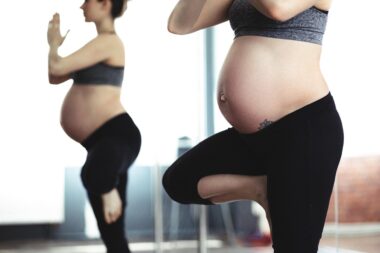
When selecting prenatal workouts, it’s essential to consider safety and effectiveness. Activities like walking, swimming, and low-impact aerobics can offer excellent cardiovascular benefits without excessive strain on the body. Strength-training exercises using light weights can be included to maintain muscle tone and improve bone strength, necessary during pregnancy. Yoga is another highly recommended workout because it enhances flexibility, balance, and relaxation, while also promoting mindfulness. Meeting with a certified prenatal fitness instructor can provide tailored exercises, ensuring each movement meets specific needs. Pilates is equally effective for enhancing posture and core strength. However, it’s important to avoid exercises lying on the back for extended periods after the first trimester, as this can restrict blood flow. Additionally, always listen to your body during workouts; adjusting intensity or resting when fatigue occurs is critical. Expecting mothers can also benefit from engaging in specific classes designed for prenatal fitness, where they receive direction in a supportive environment. Such classes create opportunities for social connection, fostering bonds with other mothers who share similar experiences. All these workouts help achieve an active lifestyle, improving various aspects of pregnant women’s health.
Hydration is crucial during prenatal workouts. Pregnancy increases fluid requirements, making hydration essential for both mother and developing baby. A well-hydrated body performs optimally during exercise, reducing risks of overheating and dehydration. Pregnant women should ensure they drink adequate water before, during, and after workouts. It’s also advisable to wear breathable clothing suitable for exercise, and to choose comfortable footwear. Additionally, environmental factors such as temperature should be considered to prevent excessive heat exposure. Moderation is key; while regular exercise is highly beneficial, pushing limits can lead to complications. It’s important to consult a healthcare provider regarding any specific health issues or risks before starting a new workout regimen. Modifications may be appropriate based on health conditions, numerous factors, and fitness levels. Keeping a fitness journal can help track workouts and hydration levels while assessing how activities affect mood and energy. Regular check-ins to monitor changes in physical capability or comfort levels can enhance safety during this time. By prioritizing hydration alongside exercise, one can create a balanced approach that supports overall well-being during pregnancy.
Listening to Your Body
As the pregnancy progresses, it’s vital for women to listen to their bodies and adapt their routines accordingly. Each pregnancy is unique; therefore, it’s essential to acknowledge when to modify workouts or take a break entirely. Signs of overexertion include dizziness, shortness of breath, or any unusual discomfort, which should not be ignored. Practicing mindfulness can be beneficial; being attuned to how exercise impacts mood, energy, and physical sensations enables better management of fitness goals. Moreover, celebrating small achievements during workouts fosters motivation. Setting achievable targets allows women to recognize their progress without overwhelming pressure. Keeping an open dialogue with healthcare providers about physical activity is crucial, ensuring alignment with personal health conditions and pregnancy changes. Consulting a physical therapist or prenatal fitness expert can provide additional insights into safe exercises. Remembering that post-pregnancy fitness also requires adjustment helps in setting postnatal fitness journeys too. Ultimately, achieving a functional balance between activity and rest can elevate the pregnancy experience while supporting a positive mindset towards fitness.
In summary, the benefits of prenatal exercise significantly contribute to the overall well-being of mothers. Safe and appropriate workouts can enhance physical health, emotional well-being, and better preparation for childbirth experiences. Through carefully selected activities, mothers can maintain their fitness levels, manage weight, and improve cardiovascular health efficiently. As they progress through pregnancy, emphasis on staying attuned to bodily responses allows for personalized adaptations, ensuring lasting benefits. Regular prenatal workouts encourage social connections among mothers, serving as emotional support frameworks to share motherhood experiences. Furthermore, these practices set the groundwork for postpartum fitness routines and healthy lifestyle choices that can benefit families. Engaging with fellow mothers can create motivational communities that inspire continued dedication to health. Always empowered by the changes that come with pregnancy, women should embrace their bodies and approach new challenges with confidence. Ultimately, safe prenatal workouts enrich maternal well-being immensely and prepare mothers for the transformational journey ahead. Prioritizing fitness while enjoying the process presents a beautiful opportunity to celebrate this special phase in life, establishing a foundation for both physical and emotional health moving forward.
To conclude, the journey of motherhood is filled with physical and emotional changes, highlighting the importance of safe prenatal workouts. Expecting mothers can greatly enhance their experiences through engaging in fitness programs tailored to their needs. These workouts not only support physical health by managing weight, improving circulation, and easing discomfort but also provide essential mental health benefits by lifting mood and reducing stress. Regular exercise fosters a nurturing environment for both mother and baby, setting the stage for an empowering birthing experience. By embracing a fitness routine and committing to personal well-being, women can carry the momentum into postpartum recovery. Joining prenatal classes is an excellent way to connect with others in similar situations, paving the way for lasting friendships and support networks. It’s imperative to seek guidance from healthcare providers when considering new workout routines, ensuring that safety is prioritized. Overall, the journey through prenatal and postnatal fitness should be celebrated as part of motherhood. By investing time in their health, mothers prepare not just for birth but for a fulfilling experience of parenthood. Thus, encouraging a dedicated approach to prenatal fitness is vital for achieving long-term health benefits.