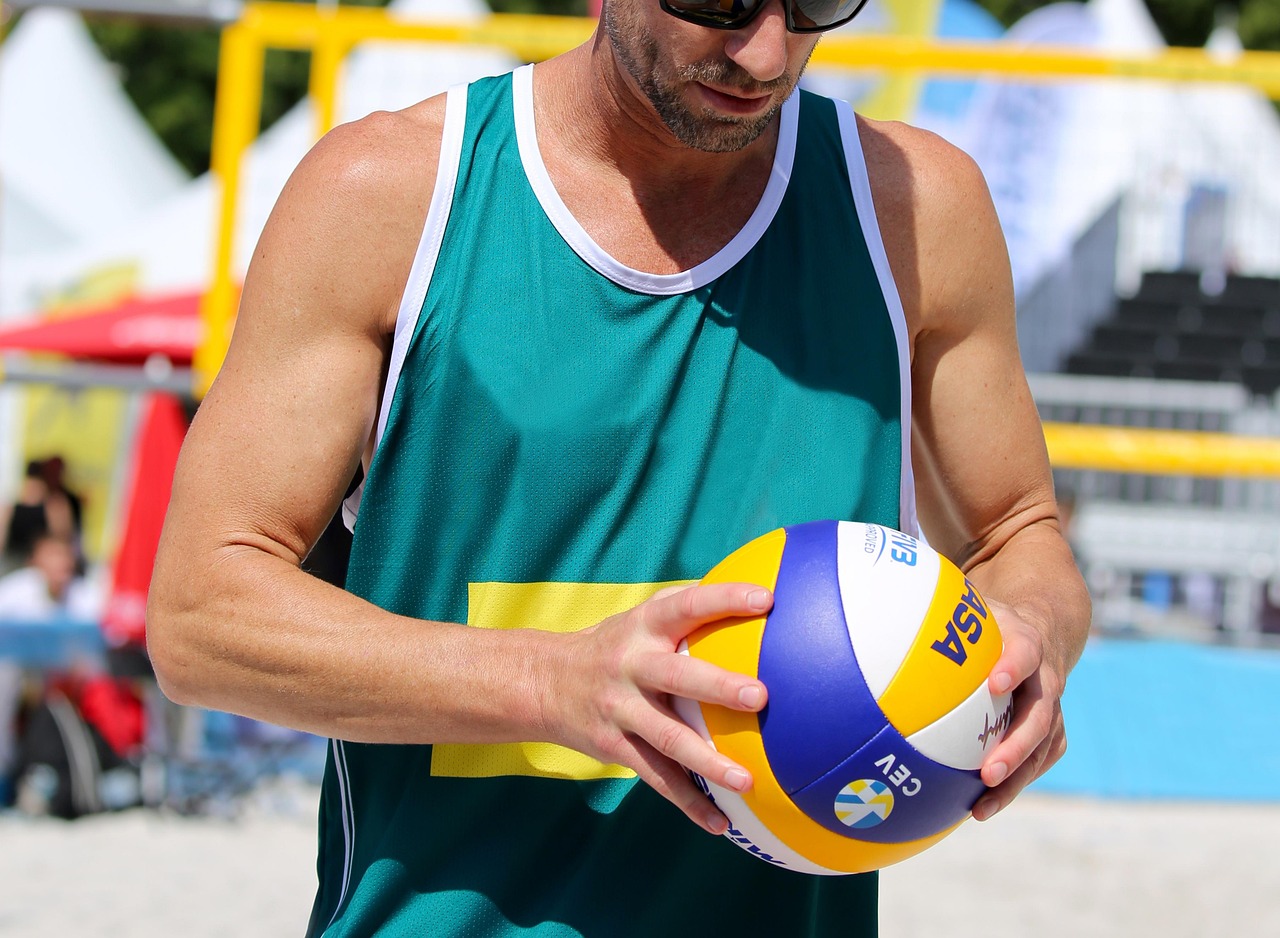

Customized Plyometric Plans for Volleyball Athletes Across Skill Levels
Plyometric training is crucial for volleyball players and serves to enhance athletic performance significantly. It emphasizes explosive movements that improve both power and agility, essential attributes on the court. Customizing plyometric plans ensures that athletes, regardless of their skill level, can reap maximum benefits. Beginners, intermediates, and advanced players all require unique strategies based on their development stage. For novice players, foundational exercises that focus on body awareness and coordination are essential. Intermediate athletes can integrate more complex drills targeting speed and strength, while elite players should prioritize advanced movements that refine explosiveness. When developing such programs, it is vital to include proper warm-up and cool-down sessions to prevent injuries. Training can focus on various plyometric movements, such as box jumps, depth jumps, and lateral hops, which will build necessary muscle memory and strength. With specific adaptations for each skill level, volleyball athletes can find success and continue to improve their performance on the court. A well-structured plyometric training plan cultivates confidence and readiness, crucial for the dynamic play style inherent to volleyball.
Key Components of Plyometric Training
The primary components of effective plyometric training for volleyball players include intensity, volume, and recovery. Intensity refers to the difficulty of exercises, with higher intensity levels eliciting greater power output. It’s critical that athletes select exercises that align with their current abilities while progressively challenging themselves. For beginning players, lower-intensity moves such as jump squats or hurdle hops should be introduced. Advanced athletes, however, may engage in higher-intensity activities, including single-leg depth jumps, enhancing their vertical leap and overall explosiveness. Volume, which pertains to the total number of repetitions and sets, must also be tailored appropriately. Beginners should start with fewer repetitions and focus on form, building volume as proficiency improves. Adequate recovery is essential to prevent fatigue and ensure optimal performance during training sessions. Rest times between sets should be adjusted based on the training intensity, with lighter sessions requiring shorter recovery periods. Each athlete’s unique needs must be considered when creating a plyometric program, paving the way for improvement across skill levels.
Incorporating a variety of drills into plyometric training plans not only helps maintain athletes’ engagement but also enhances specific physical attributes. For volleyball players, targeting skills necessary for their sport such as jumping, quick lateral movements, and explosive force are imperative. Drills like power skips and bounding improve lower body strength and explosiveness, while agility drills such as cone drills enhance foot speed and coordination. Developing core strength is also vital, as it plays an essential role in maintaining stability during jumps and landings. Core exercises like medicine ball throws and planks can be integrated into plyometric workouts. Furthermore, upper body strength should not be neglected; powerful arm swings provide momentum during jumps, thereby increasing vertical elevation. Including specific exercises for different muscle groups ensures that all-around fitness is achieved. Execution consistency is crucial in maximizing the benefits of plyometric training, which ultimately translates to better performance on the volleyball court. Athletes should also prioritize mental preparation, visualizing successful execution of their plyometric skills to enhance actual performance.
Monitoring Progress and Adjusting Training
Monitoring progress during plyometric training is essential for athlete development and can inform necessary adjustments to training plans. Tracking metrics such as vertical jump height, agility test results, and overall strength improves self-awareness and motivation. Coaches and trainers can implement periodic assessments to gauge improvement and identify possible weaknesses. Developing a benchmark for these metrics allows for comparisons across time, ensuring training goals are set realistically. Athletes may use tools like jump mats or smartphone applications for self-assessment, fostering independence and responsibility in their training journey. As players advance, changes in exercise complexity and intensity should be made to continue development. Customizing workouts even further can help maintain athlete engagement while ensuring they face appropriate challenges. Intervals can also be modified based on athlete’s progress; however, it is crucial to monitor their fatigue levels, as pushing too hard can lead to burnout or injury. Adjustments should consider not only physical performance but emotional and mental well-being, ensuring that athletes are motivated and excited to train.
In addition to monitoring physical progress, it is important that volleyball players understand and embrace the significance of sport-specific plyometric training in improving performance on the court. As specific plyometric skills are developed, athletes become more adept at executing crucial in-game movements, such as quick jumps and lateral rebounds. A mental understanding of how these drills translate to in-game scenarios reinforces the relationship between training and real competition. Education on the biomechanical principles behind explosive movements promotes a deeper comprehension of muscle engagement, thereby enhancing overall training effectiveness. Volleyball players should also be encouraged to set their personal goals, which fosters both accountability and motivation. Setting realistic, attainable goals within their training also empowers athletes to reach the next level while reinforcing progress. Combining these elements can lead to improved self-efficacy and satisfaction as they see their skills translate into matches. When plyometric training is embraced holistically—physical, mental, and emotional—athletes are more likely to thrive and develop resilience in their sport.
Common Mistakes to Avoid
Despite the understanding and planning involved, volleyball players often fall into common pitfalls during plyometric training. One frequent mistake is neglecting proper technique in favor of intensity, which can lead to injuries. It is vital to emphasize correct form from the outset, ensuring that athletes are executing exercises safely and effectively. Coaches should provide detailed feedback and corrections to prevent faulty movement patterns from developing. Another prevalent issue is insufficient recovery time between training sessions. Volleyball players may feel pressured to constantly increase training volume, which can lead to fatigue and decline in performance. Athletes need to prioritize recovery—both physical rest and mental breaks to maintain a healthy mindset. Additionally, failing to incorporate sufficient variability in training can lead to a plateau in performance. Continually changing drills while keeping key aspects constant ensures athletes continuously develop their skills. Finally, underestimating the importance of nutrition can affect overall training effectiveness, as fuel provides the energy required for effective workouts. Avoiding these mistakes will lead to a more fruitful plyometric training experience.
In conclusion, customized plyometric plans for volleyball athletes across various skill levels are paramount in enhancing their performance. By understanding the core components of this training method, athletes can adapt programs effectively to suit their specific needs. A focus on monitoring progress and tracking results not only provides valuable insights into performance but also maintains motivation. Engaging athletes in educational discussions about plyometric training’s purposes ensures they commit fully to their personal growth. Coaches must emphasize quality over quantity when it comes to technique and recovery, thus preventing injuries while maximizing results. By continuously evaluating training methods and remaining adaptable, athletes at all levels can achieve meaningful improvements. Plyometric training, tailored to individual skill levels, fosters a strong foundation that supports explosive performance on the volleyball court. Embracing the complexity of plyometric movements aids players in mastering their craft. Therefore, volleyball programs that prioritize individualized plyometric training will undoubtedly produce more proficient and confident athletes in their pursuit of overall excellence.