
How Prenatal Fitness Helps in Faster Postpartum Recovery
Prenatal exercise is paramount for mothers-to-be, providing numerous benefits that extend well beyond pregnancy. Engaging in appropriate physical activities during pregnancy can facilitate faster postpartum recovery, which influences a mother’s overall well-being. Research indicates that women who maintain a consistent fitness regimen may experience improved physical health. Moreover, prenatal exercise helps mitigate common pregnancy symptoms such as fatigue and back pain. By strengthening core and pelvic floor muscles, women can enhance their body’s resilience during childbirth, leading to a smoother delivery process. Lower incidence of gestational diabetes and hypertension due to prenatal activities contributes to a healthier pregnancy. Exercise during this crucial period can profoundly affect emotional well-being; as mothers engage in physical activity, their mood often elevates due to endorphin release, helping to combat postpartum depression. Furthermore, such exercise regimens create a sustainable fitness habit that mothers can continue post-delivery. Overall, the cumulative advantages of prenatal fitness significantly aid in crafting a more satisfactory postpartum experience for mothers, highlighting the importance of maintaining an active lifestyle while expecting.
The Role of Core Strength
Focusing on core strength during prenatal fitness is critical for preparing a woman’s body for the challenges of labor and delivery. A strong core helps maintain posture, which can alleviate discomfort associated with a growing belly and changing body dynamics. Women who strengthen their abdominal and pelvic floor muscles through targeted exercises often find labor more manageable. Enhanced core strength also plays a pivotal role in postpartum recovery. Research shows that women with robust core strength experience a decrease in length of recovery time after giving birth. Additionally, this stability aids in the prevention of injuries often experienced during the early stages of motherhood, particularly while lifting or carrying infants. Core-focused exercises can include modified planks, bridges, and gentle yoga or pilates tailored for expectant mothers. Engaging in these activities not only strengthens the abdominal area but also fosters a deeper connection between the mother and her body during pregnancy. Consequently, incorporating core strength training into prenatal workouts benefits both the mother and baby, ensuring a less strenuous journey into motherhood.
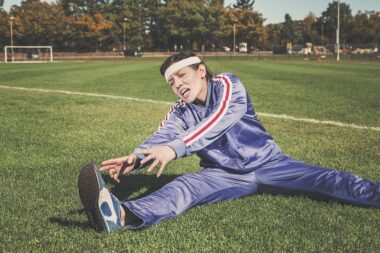
Maintaining flexibility is another essential aspect of prenatal fitness that significantly contributes to a woman’s postpartum recovery. As pregnancy progresses, hormonal changes allow ligaments to become more elastic, preparing the body for childbirth. This increased flexibility can ease the tension and discomfort often associated with the physical changes. Regular stretching not only enhances flexibility but also encourages relaxation, which brings additional advantages during delivery. Practicing flexibility can empower women, enabling them to adapt better to the challenges of labor. After giving birth, women typically require time to regain their pre-pregnancy mobility, and the stretching habits developed during pregnancy can facilitate this process. Furthermore, adequate flexibility reduces the likelihood of postnatal injuries, as muscles and joints that had been conditioned during pregnancy are less susceptible to strain. Alongside other fitness elements, this focus on flexibility fosters an all-encompassing strategy for postpartum recovery. Additionally, yoga is a splendid method to enhance flexibility while promoting mindfulness, which can further benefit emotional health. Therefore, incorporating flexibility exercises into prenatal routines effectively sets the stage for a smoother recovery experience for new mothers.
Boosting Endurance and Strength
Endurance and strength are pivotal components of prenatal fitness that offer significant advantages for postpartum recovery. By incorporating cardiovascular activities such as walking, swimming, or cycling into their routines, pregnant women can enhance their overall endurance levels. Elevated endurance helps women endure labor more effectively, while promoting improved stamina for the demands of new motherhood, which involves frequent waking and lifting of the baby. Additionally, building strength is essential, as it allows new mothers to perform daily activities with ease. Resistance training can be adapted even for expectant mothers, targeting major muscle groups to enhance overall strength. Improving strength helps in the resumption of normal physical activities after childbirth, thereby expediting recovery. Focused strength training not only aids in muscle retention but also plays a crucial role in bone density, which is vital during the postpartum period. Stronger muscles facilitate easier movements and reduce the risk of injury as women adapt to their new roles. As mothers embrace an active lifestyle, this improved endurance and strength significantly contributes to their emotional well-being, empowering them to tackle motherhood’s unique challenges.
Social support and camaraderie are additional benefits provided by engaging in prenatal exercise programs. Many women find it incredibly beneficial to share their pregnancy journeys with others who experience similar struggles and triumphs. Group exercise classes, whether online or in-person, create a community that fosters emotional connections and shared experiences among expecting mothers. This sense of belonging can play a pivotal role in reducing feelings of loneliness and anxiety during pregnancy, further contributing to postpartum mental health. The friendships developed in these settings often extend beyond the pregnancy period, providing ongoing support as new mothers navigate the challenges of early parenting. Furthermore, being part of such a group can motivate women to stay active and engaged with their fitness routines, ensuring they remain on track even after childbirth. The encouragement and support offered by fellow participants help in maintaining motivation, which is essential for postpartum recovery. As women bond over shared goals, the benefits of prenatal exercise manifest in broader emotional health, resulting in long-lasting friendships and a supportive environment to thrive as mothers.
Creating a Sustainable Routine
Establishing a consistent fitness routine during pregnancy can have lasting benefits that extend into motherhood. Many new mothers struggle to find time for their health amidst the whirlwind of caring for their infants. However, the habits formed during prenatal fitness can be seamlessly integrated into daily life, making it easier for women to prioritize their well-being after giving birth. Sticking to a routine is critical for achieving lasting wellness goals, and mothers can build on the foundation laid during the nine months of pregnancy. Developing simple, manageable exercise schedules fosters discipline and consistency, ensuring that engaging in fitness remains a priority even after delivery. Short workouts or modified activities that fit into a mother’s busy lifestyle can be effective ways to stay active. Additionally, including babies in workouts, such as using baby carriers for walking or performing exercises during playtime, can keep mothers motivated while nurturing their children. Consequently, integrating prenatal fitness into everyday life encourages mothers to weave physical activity naturally into their routines, promoting health and well-being throughout motherhood.
The impact of prenatal fitness on postpartum recovery cannot be understated, as it involves not just physical benefits, but emotional and psychological gains as well. Active mothers are often better equipped to deal with the stress and challenges that accompany new parenthood. This proactive approach to fitness fosters a sense of empowerment, instilling confidence in mothers as they embrace their new roles. The endorphin release associated with regular exercise enhances mood levels, further diminishing the likelihood of postpartum depression. Additionally, the sense of achievement that comes from sticking to a fitness routine solidifies a mother’s self-esteem. Many mothers benefit from establishing realistic fitness goals that acknowledge their unique circumstances. The journey of motherhood demands adaptability, and incorporating fitness elements offers valuable coping strategies. The link between physical activity and improved mental health is well-documented, showcasing how prenatal exercise can pave the way for a more satisfying postpartum experience. Ultimately, the comprehensive advantages of prenatal fitness create a majestic ripple effect, allowing mothers to care effectively for themselves and their newborns.