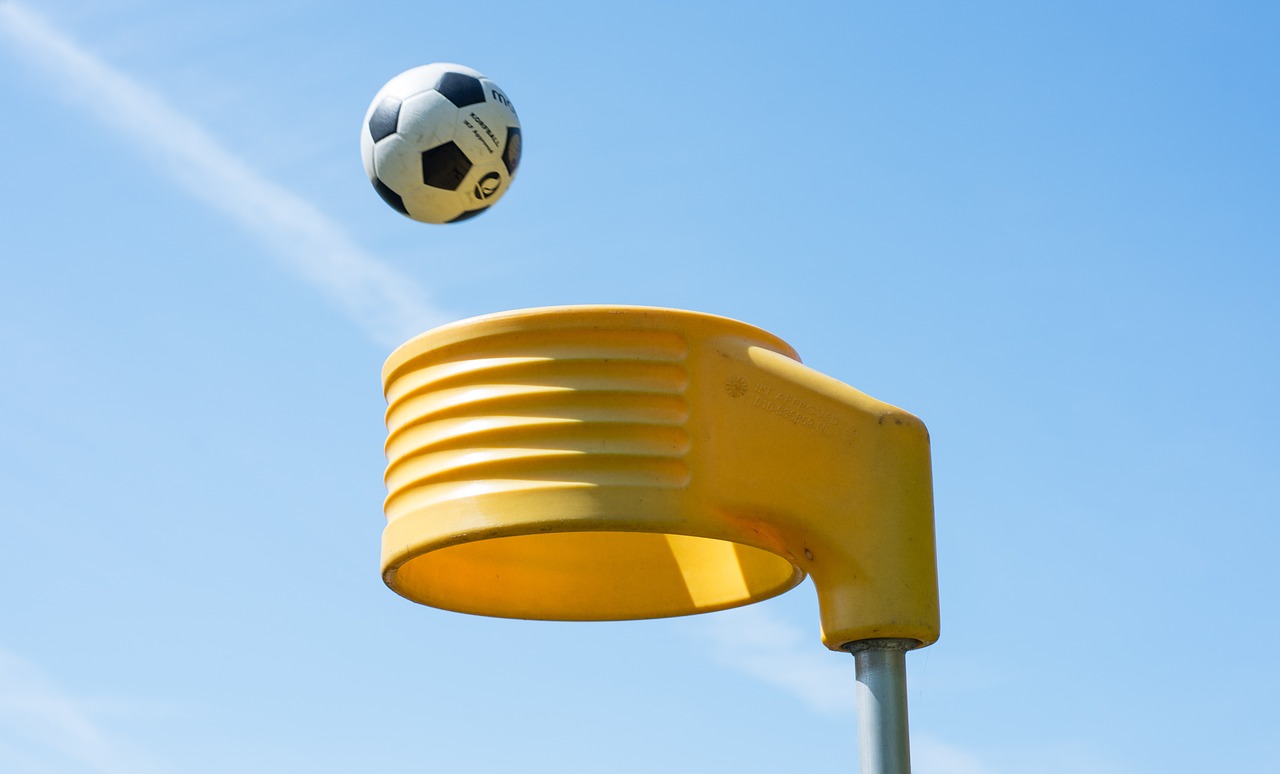

Fitness Tests to Measure Korfball Player Conditioning
Korfball, a unique team sport, requires players to have well-developed physical conditioning. Players must possess a range of athletic abilities, including endurance, speed, agility, and strength. To ensure that athletes are adequately conditioned, teams can implement a variety of fitness tests specifically designed for the demands of korfball. One essential fitness component to assess is aerobic capacity, which affects players’ ability to sustain high-energy efforts throughout a match. Common methods for measuring aerobic capacity include the beep test, 20-meter shuttle run, and the Cooper test. These tests can help coaches identify areas where players may need improvement. Additionally, focusing on anaerobic fitness is crucial as it enables players to produce short bursts of energy necessary for quick sprints during gameplay. Coaches can utilize tests like the vertical jump test or the sprint test to evaluate these capacities. Performance feedback from these assessments can guide training programs, helping players develop specific skills needed for korfball competitions.
Beyond aerobic and anaerobic capacity, flexibility and strength are also critical components of a korfball player’s conditioning. Implementing regular flexibility assessments can help reduce the risk of injuries during matches. Stretching protocols, like the Sit-and-Reach Test, can evaluate hamstring and lower back flexibility, which are vital for the body movements required in korfball. Stronger players are better equipped to handle physical challenges during games, making strength assessments necessary. Tests like the bench press and squat can measure overall muscular strength and endurance. Moreover, it’s essential to monitor athletes’ body composition since having an optimal balance of lean body mass and body fat plays a role in overall performance. Coaches often use skinfold calipers or bioelectrical impedance analysis to gauge body composition. Gathering this information allows trainers to establish personalized conditioning plans tailored to individual player needs and goals. By systematically evaluating and addressing strengths and weaknesses, teams can effectively improve their players’ conditioning, directly impacting game performance and success.
Endurance Training Tactics
Endurance training is a fundamental aspect of conditioning for korfball players. Coaches should implement programs that emphasize longer, steady-state cardio workouts combined with high-intensity interval training (HIIT). The blending of these training methods can lead to improvements in both aerobic and anaerobic fitness. Workouts like circuit training, where athletes alternate between different stations targeting unique muscle groups, can boost overall endurance. Running drills, such as sprints or shuttle runs, can significantly enhance players’ speed and agility, enabling them to quickly transition between offensive and defensive plays. Games that mimic competitive situations can also promote a higher level of fitness while providing a practical context for conditioning. Weekly training schedules must balance endurance workouts with adequate recovery to prevent overtraining and injury. Additionally, incorporating sport-specific movements during sessions helps players adapt their endurance to the unique demands of korfball. Providing players with feedback and adjusting plans based on performance ensures continuous improvement over time while fostering a positive team-oriented environment for better camaraderie.
Strength training should not be overlooked in korfball player conditioning. Focus on core strength development is essential, as it supports stability and power in movements. Implementing exercises such as planks, medicine ball throws, and squats can help athletes gain the necessary strength. Additionally, exercises that target the lower body, like lunges, can enhance players’ performance during matches. Using resistance bands or weights during training can lead to measurable improvements in explosiveness. Functional training methods, such as kettlebell swings and agility drills, may also prove beneficial. Another aspect to consider is the importance of muscles’ elastic properties. Plyometric exercises, including jump squats and box jumps, enhance muscle power and contribute to improved vertical leap ability crucial for korfball shooting and intercepting. Monitoring player adaptation through progressive overload in strength training will ensure consistent gains and prevent stagnation. By combining various styles of resistance training with core work and flexibility, coaches can create comprehensive strength and conditioning regimens. Ultimately, a well-rounded training program elevates team performance and fosters mutual growth among players.
Agility and Reaction Time Drills
Agility and reaction time are vital in korfball, where players frequently change direction and respond to fast gameplay. To develop these skills, teams should integrate specific drills into their training sessions. Cone drills, ladder drills, and shuttle runs are excellent for improving agility while enhancing foot speed and coordination. These practices can help players navigate the court more effectively, evade defenders, and create scoring opportunities. Additionally, agility tests such as the T-test or Illinois agility test are effective for measuring players’ quickness and body control. Creating game-like scenarios during practice will further ingratiate physics to the players, allowing them to respond instinctively under pressure. Using small-sided games can enhance not only agility but also teamwork and tactics. Reaction time can be trained with visual and auditory stimuli, incorporating rapid direction changes while executing a play. Incorporating fitness trackers can provide data insights into players’ performance metrics, informing adjustments in training programs. By developing and enhancing agility and reaction speed, players become more versatile and equipped to face opponents effectively during matches.
Moreover, incorporating mental conditioning into korfball training is equally important. Players must learn to focus and stay mentally sharp amidst the game’s fast pace and physical demands. Techniques like visualization, reaction training, and mindfulness can provide athletes with an edge. Moreover, understanding their fitness tests results allows players to set realistic goals, driving motivation. Encouraging athletes to remain engaged during testing can foster competition within the team while enhancing overall performance. Coaches can also implement team-building activities to promote unity, contributing significantly to on-field dynamics. Positive team culture enhances overall motivation, helping athletes strive for better results. It is necessary to create an environment where players maintain accountability and support one another throughout their conditioning. Technology-driven tools, like dedicated fitness apps, can assist in tracking progress and staying connected. Using social platforms to share achievements and struggles can further motivate athletes. Ultimately, conditioning is an iterative process, and fostering a collaborative atmosphere can amplify players’ motivation. Through mental and physical development, players enhance both their individual skills and overall team performance.
Nutrition’s Role in Conditioning
In addition to physical training, nutrition plays a crucial role in supporting korfball players’ conditioning efforts. Players must fuel their bodies with the right nutrients for optimal performance and recovery. Emphasizing a balanced diet rich in carbohydrates, proteins, and healthy fats is essential. Carbohydrates serve as the primary energy source, especially during high-intensity activities. Foods such as whole grains, fruits, and vegetables should form the basis of players’ meals. Protein is fundamental for muscle repair and growth, making it necessary for recovery after strenuous training. High-quality protein sources like lean meats, dairy, beans, and legumes should be easily accessible to athletes. Incorporating proper hydration practices also contributes to conditioning, as it ensures peak performance during training and competition. Monitoring fluid intake is critical for maintaining optimal hydration levels to prevent fatigue and enhance focus. Furthermore, coaches can encourage open communication about players’ dietary needs, allowing for adjustments during training. By understanding the intertwined relationship between nutrition and performance, korfball players can be better equipped to meet their athletic goals.
Finally, regular evaluations of a player’s physical condition are essential for long-term success in korfball. To maintain an optimal training regimen, coaches can implement periodic fitness testing throughout the season, ensuring that conditioning remains a priority. Keeping an updated journal of fitness test results can help identify trends over time. Tailoring training sessions based on these evaluations enables coaches to meet players’ evolving needs. Furthermore, incorporating recovery strategies such as active rest or cross-training can prevent burnout and promote sustained fitness. Coaches should also emphasize the importance of listening to one’s body during and after intense workouts. Establishing performance benchmarks helps motivate athletes, pushing them to surpass their limits continually. Ultimately, striking a balance between training, nutrition, and recovery will yield the best overall results for korfball players. By taking a well-rounded approach, teams can develop stronger, more resilient athletes capable of thriving in competitive matches. Prioritizing fitness tests helps ensure players stay in peak condition throughout the season.