
Balance Challenges to Build Mental Toughness in Ice Hockey
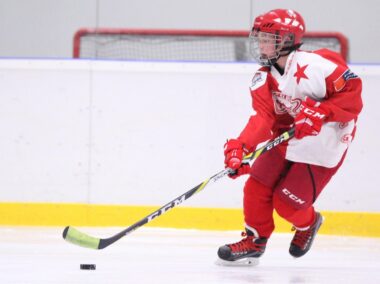
In ice hockey, balance is not merely a physical trait; it is also a crucial factor that influences mental resilience. Players are often in unpredictable situations, forcing them to make decisions quickly while maintaining their balance. As part of their training regimen, ice hockey players should engage in activities that challenge both their mental and physical balance abilities. These challenges can be structured to help athletes grow not only in their physical capabilities but also in their mental toughness. Incorporating balance drills into training can enhance proprioception, allowing players to better adapt to the fast pace and physicality of the game. It also prepares them to handle pressure situations effectively. Specific exercises that can enhance balance include one-legged stand drills, balance boards, and agility workouts. Participating in such exercises prepares players for unexpected falls or body checks during games, thus mentally preparing them for real game situations. By systematically increasing the difficulty of balance challenges, players can develop a stronger focus and sharpen their decision-making skills under duress.
To elevate the effectiveness of balance training, integrating mental challenges that require decision-making during physical imbalance situations is vital. This dual approach fosters a connection between mind and body that is critical in high-pressure sports environments. Players can simulate the game’s unpredictability through exercises like balance beam walking or dynamic movements that disrupt stability, forcing them to think critically while executing them. Another effective method is to introduce competitive elements into balance drills. For instance, players can race against each other while performing balance tasks or participate in relay races that emphasize maintaining balance under time constraints. Such activities not only develop physical balance but also encourage camaraderie and healthy competition among teammates. Throughout these exercises, it’s essential for coaches to provide constructive feedback, ensuring players understand the importance of mental focus during physical challenges. Setting personal goals can also enable players to track their progress, maintaining motivation and engagement. Furthermore, engaging in visualization techniques before drills can help players mentally prepare for challenges, enhancing their overall performance and response during actual games.
Another aspect to consider in balance training for ice hockey players involves incorporating off-ice conditioning to fortify their mental toughness alongside physical strength. Off-ice workouts can include yoga, Pilates, or martial arts, which promote body awareness and control while maintaining core stability. Such practices teach players how to remain composed when challenged mentally and physically. For instance, improving core strength through Pilates directly contributes to better balance on the ice. Additionally, training outside traditional hockey environments exposes players to new balance challenges, which translates to enhanced adaptability during games. When players engage in activities requiring both concentration and balance, they begin to understand the importance of mental clarity in sports performance. Maintaining awareness of their bodies in space cultivates a greater sense of control, empowering players to respond more adeptly when faced with challenges during games. This psychological resilience strengthens through consistent practice and mental engagement in varied conditions, thereby reinforcing the skills they need on the ice.
The Role of Visualization in Balance Training
Visualization is a powerful mental tool that ice hockey players can use to enhance balance and overall performance. By mentally rehearsing balance challenges specific to hockey, players can prepare themselves for the actual experience. Coaches can encourage players to visualize themselves successfully completing stability drills, which enhances neural pathways associated with balance. Such visual practice primes their minds for better performance during actual drills on the ice. Additionally, visualization techniques can be integrated with physical training sessions, allowing players to bridge their mental and physical training effectively. Practicing scenarios where balance is critical, like recovering from a hit, while visualizing successful outcomes can help reinforce a player’s confidence and focus. Stakeholders can also advocate for including visualization practices in regular training schedules to solidify these tools as critical components of performance preparation. Alongside physical drills, regular mental exercises form a complete training regimen that builds both skills and mental resilience. Therefore, the intersection of visualization and balance training can prove pivotal in developing not just balanced players, but also mentally tough individuals who can thrive under pressure.
Coaches aiming to develop mentally tough ice hockey players should also consider the importance of regular assessments on balance and mental resilience. Conducting overall evaluations helps define strength areas to highlight and weaknesses needing attention in both physical and mental spheres. Structured assessments of balance capabilities, combined with mental toughness indicators, can provide coaches an insight into player readiness and areas for improvement. Through testing situations that closely simulate game conditions, players can face various challenges, reinforcing their mental fortitude. Evaluations also facilitate goal setting, encouraging players to focus on specific aspects of their training that need enhancement. Incorporating balance-related metrics into performance assessments fosters a strong culture of improvement and adaptability. Athletes who understand their assessment outcomes and set achievable goals based on data feel more engaged in their training. Moving forward, the goal is to develop a training cycle that aligns assessments with day-to-day exercises, creating opportunities for continual growth. Consistent progress reviews boost motivation, serving as a reminder of the importance of balance in both physical performance and mental performance on the ice.
A supportive environment is essential for fostering balance training effectiveness and growth in mental toughness among ice hockey players. Coaches, teammates, and parents play a critical role in fostering a culture that values perseverance and continuous improvement. As players encounter difficulties in mastering balance skills, positive encouragement helps keep their spirits high, allowing for exploration and gradual improvement. Creating opportunities for peer feedback during balance exercises also promotes mutual learning, driving a supportive team atmosphere. Players learn from each other’s experiences, which can enhance their overall effectiveness in tackling balance challenges. It’s equally vital that coaches celebrate achievements, both small and large, as this helps reinforce efforts made toward improving balance and mental resilience. Teammates should also engage in verbal affirmations to build bonds and encourage one another during strenuous drills. Such foundational support enhances players’ resolve to face balance issues head-on. A united team approach cultivates a strong environment where players not only work on their physical balance skills but also develop the mental fortitude necessary to compete effectively in high-stakes situations.
Incorporating Technology into Balance Training
With advancements in technology, ice hockey players can now utilize innovative devices to enhance their balance training. Wearable gadgets and digital apps provide real-time feedback on players’ movements, showing them exactly how to improve their balance mechanics through analytics. For instance, balance training programs using smart balance boards challenge athletes while providing data related to their performance. Such information allows players to visualize their improvements and areas that require attention. Additionally, these programs can gamify balance learning, motivating players with interactive elements, making workouts much more engaging. As players interact with technological tools during training, they subconsciously adopt a growth mindset. With tangible performance metrics, players are likely to develop tough mental attributes as they strive to improve through data-driven training. Coaches can leverage the insights gained from these technologies to adjust individual training plans according to each player’s abilities. Integrating innovative balance training methods is crucial for preparing athletes for real-world challenges they will face during competition, enhancing their resilience both physically and mentally on the ice.
In conclusion, balance training for ice hockey players goes beyond developing stable physical attributes; it encapsulates a holistic approach that integrates mental toughness, adaptability, and self-belief. By addressing both the physical and psychological dimensions of balance, players can foster a robust mentality that equips them for the dynamic, unpredictable nature of ice hockey. Training should be comprehensive, utilizing both traditional drills and innovative tools while incorporating visualization and mental exercises. The supportive environment created by coaches and teammates serves to reinforce this comprehensive approach, allowing players to thrive in challenging situations. Regular assessments help maintain focus on ongoing growth, offering opportunities for adjustments to assist athletes in their development. As players conquer balance challenges, they also cultivate resilience, learning how to respond effectively under pressure. This journey empowers players to harness their full potential, translating balance training’s impact into their overall performance on the ice. Ultimately, combined efforts in developing mental toughness through dynamic balance training create athletes who withstand the trials inherent in competitive sports, emerging stronger and more determined in their pursuits.