
Expert Tips for Maintaining Balance During Rapid Direction Changes
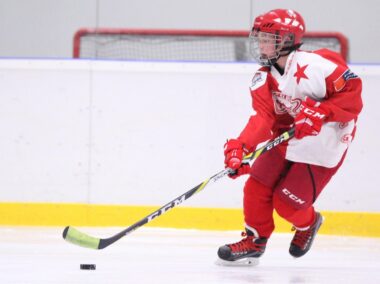
Ice hockey requires outstanding balance, especially during rapid direction changes. Developing this skill is essential because it allows players to maintain control over their skate and body movements. An effective strategy to enhance balance is to work on proprioception, which is your body’s ability to sense its position in space. Focus on exercises that engage key muscle groups used in hockey. Activities like single-leg balances, stability exercises, and wobble board routines help build stability. Additionally, core strength plays a pivotal role in maintaining balance. A strong core allows for better control and stability during quick directional shifts on the ice. Incorporate specific core workouts such as planks, rotational movements, and leg raises into your training regimen. It’s also beneficial to engage in regular skating drills that emphasize lateral movement. Practicing crossovers, edge work, and sudden stops will improve overall stability and balance. Lastly, integrating agility training adds tremendous benefits, as it mimics game scenarios. This creates a stronger foundation for any player. As we delve deeper, we will discuss more specific drills and techniques further enhancing your balance for optimal ice hockey performance.
Another critical aspect of balance training for ice hockey players is the incorporation of dynamic movements. Engaging in activities that mimic the unpredictable nature of a game is essential for improving balance during those crucial moments. One effective way to achieve this is through plyometric exercises. Plyometrics, like box jumps and lateral jumps, challenge your strength and enhance your reflexes, fostering better coordination. This type of training helps in conditioning the muscles for sudden movements while building explosive power. It’s essential to progress gradually while introducing these drills, ensuring that you maintain proper form to avoid injuries. Furthermore, including agility ladders or cone drills can significantly contribute to honing your balance skills. These drills accentuate foot speed and body control. Practicing changing directions quickly over short distances sharpens your response time. Additionally, utilizing resistance bands while performing balance drills can be beneficial. This added resistance engages more muscle fibers, enhancing strength and stability. A consistent regimen combined with these tactical drills will not only improve balance but will also essential your on-ice movements. Next, we will look at how mental adaptation plays a role in maintaining balance during rapid changes in direction.
The Role of Mental Focus in Balance Training
Mental focus is integral when it comes to achieving balance during rapid direction changes in ice hockey. Players often face various distractions on the ice, and being mentally agile is as critical as physical training. Visualization techniques can serve as an effective tool in balance training. By visualizing successful maneuvers, players can enhance their muscle memory, leading to greater control during gameplay. Encourage players to practice visualizing themselves maintaining perfect balance while performing complex skills. Additionally, incorporating mindfulness techniques promotes concentration and focus. These practices can help players stay grounded, reducing the likelihood of losing balance due to pressure or unexpected situations. Developing a pre-game routine that includes mental readiness is essential. Engage in positive affirmations, deep breathing exercises, or even meditation to ensure mental clarity during gameplay. Moreover, rewarding yourself for achieving small balance milestones can motivate players to stay committed. This not only boosts confidence but also builds a positive self-image. As we proceed further, we will explore specific drills aimed at enhancing both the physical and mental components necessary for maintaining superior balance on the ice.
When executing drills designed for balance training, the use of equipment can be invaluable. Utilizing tools such as balance boards, BOSU balls, or stability discs can significantly assist in developing stability for ice hockey players. These tools require players to engage their core and stabilizer muscles, which are essential for optimal balance. Begin with simple exercises and gradually increase the complexity as players gain confidence. For instance, standing on one leg on a balance board while performing upper body movements can engage both lower and upper body parts, enhancing overall coordination. Another practical exercise involves using a slackline. Walking on a slackline builds essential proprioception and focus, elements crucial for maintaining balance during skating. Equip players with techniques to assess their balance through self-reviews and adjustments. This increases player awareness of body mechanics while executing game-like movements. It’s vital that players monitor their progress and adjust drills according to their level. Regularly changing up routines not only keeps workouts fresh and engaging but also fosters continuous improvement. Next, we will discuss the importance of ice time in strengthening balance skills.
Importance of Practice on the Ice
Regular ice time is fundamental in developing balance for ice hockey players. Practicing on the ice allows players to apply balance training concepts in real-game situations. The more comfortable players become on the ice, the better their body control will be during rapid direction changes. Incorporate drills that specifically focus on edge control and weight transfer. These drills teach players how to shift their weight seamlessly. For instance, work on sharp turns and quick stops, emphasizing the importance of body positioning during these movements. Implementing small-area games enhances competitive skills while also focusing on balance and agility. These localized drills often replicate game scenarios, allowing players to think and react quickly. It’s beneficial to use varied ice surfaces, if possible. Working on both smooth and slightly rough surfaces can enhance proprioceptive abilities. Moreover, ice hockey is a high-speed sport; therefore, engaging in speed training while maintaining good balance becomes essential. Techniques like sprinting drills on the ice can improve both speed and stability. Moreover, integrating feedback after practice sessions will help players recognize their balance strengths and identify areas for improvement. Next, we will dive deeper into nutrition and recovery’s impact on balance training performance.
Nutrition plays a critical role in the performance of ice hockey players, particularly when it comes to maintaining balance during rapid movements. A well-balanced diet enriched with protein, carbohydrates, and healthy fats provides the necessary fuel for intense training sessions. Carbohydrates are crucial as they provide energy for long practices or games. Aim to consume complex carbohydrates, such as whole grains and vegetables, for sustained energy release. Proteins are equally essential. They help repair and build muscles crucial for balance training. Including lean sources such as chicken, fish, or plant-based alternatives can aid recovery. Moreover, hydration cannot be overlooked. Dehydration can significantly impair cognitive and physical functioning, affecting balance. Encourage drinking water consistently throughout the day and during practice sessions. Additionally, post-workout nutrition is paramount; consider incorporating a recovery meal containing both protein and carbohydrates immediately after training. This helps replenish glycogen stores and accelerates recovery, leading to better performance during subsequent sessions. Lastly, sleep should be prioritized as it aids in overall recovery and mental clarity. With proper nutrition and rest, players can maximize their balance training efforts. Next, we will discuss the benefits of cross-training to enhance balance for ice hockey players.
Cross-Training for Improved Balance
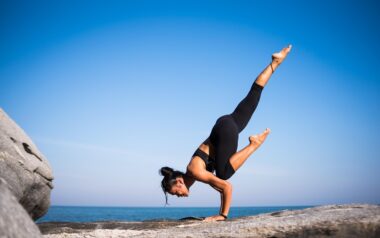
Cross-training can be a highly effective practice for ice hockey players looking to improve balance. Engaging in various sports or physical activities outside of hockey offers unique benefits that enhance overall athletic performance. Activities such as yoga, pilates, or martial arts focus on core stability, flexibility, and balance. These cross-training methods also help in developing various muscle groups that may not be heavily utilized during hockey practices. Moreover, engaging in activities such as swimming or cycling builds aerobic endurance which is essential for hockey. Improved endurance results in a stronger base for training balance and agility. Many athletes find that integrating diverse training routines can be refreshing and reduce the risk of burn-out. This diversification of training formats allows players to remain committed and motivated. Setting specific cross-training goals can also help in tracking progress. By rewarding achievements in these activities, players will feel encouraged to incorporate them regularly into their schedules. Finally, embracing cross-training not only aids balance but aids recovery through active rest. As we conclude, we will summarize the critical points discussed, emphasizing the significance of balance training for ice hockey players.
In conclusion, maintaining balance during rapid directional changes is fundamental for ice hockey players to excel. As outlined, various strategies contribute significantly to achieving this crucial skill. Practicing dynamic movements, mental focus, and engaging in specialized balance drills alongside regular ice time creates a strong foundation. Moreover, the integration of physical conditioning through nutrition and cross-training enriches the training process. It’s imperative for players to embrace a holistic training approach that incorporates these elements into their regular workouts. Consistency in training routines and practicing specific skills can lead to improved balance and overall performance on the ice. Ice hockey is a dynamic sport; thus, adaptability is essential. Individual players can work on personalizing their training, ensuring it aligns with their specific needs. Lastly, it is essential to maintain a positive mindset and continually challenge oneself with new drills. This fosters growth and improvement. By implementing expert tips outlined in this article, players will be well on their way to mastering balance, thus elevating their performance during rapid direction changes. Remember to celebrate small victories along the way as progress is vital in any athlete’s journey.