
How Accurate Are Wrist-Worn Sleep Trackers?
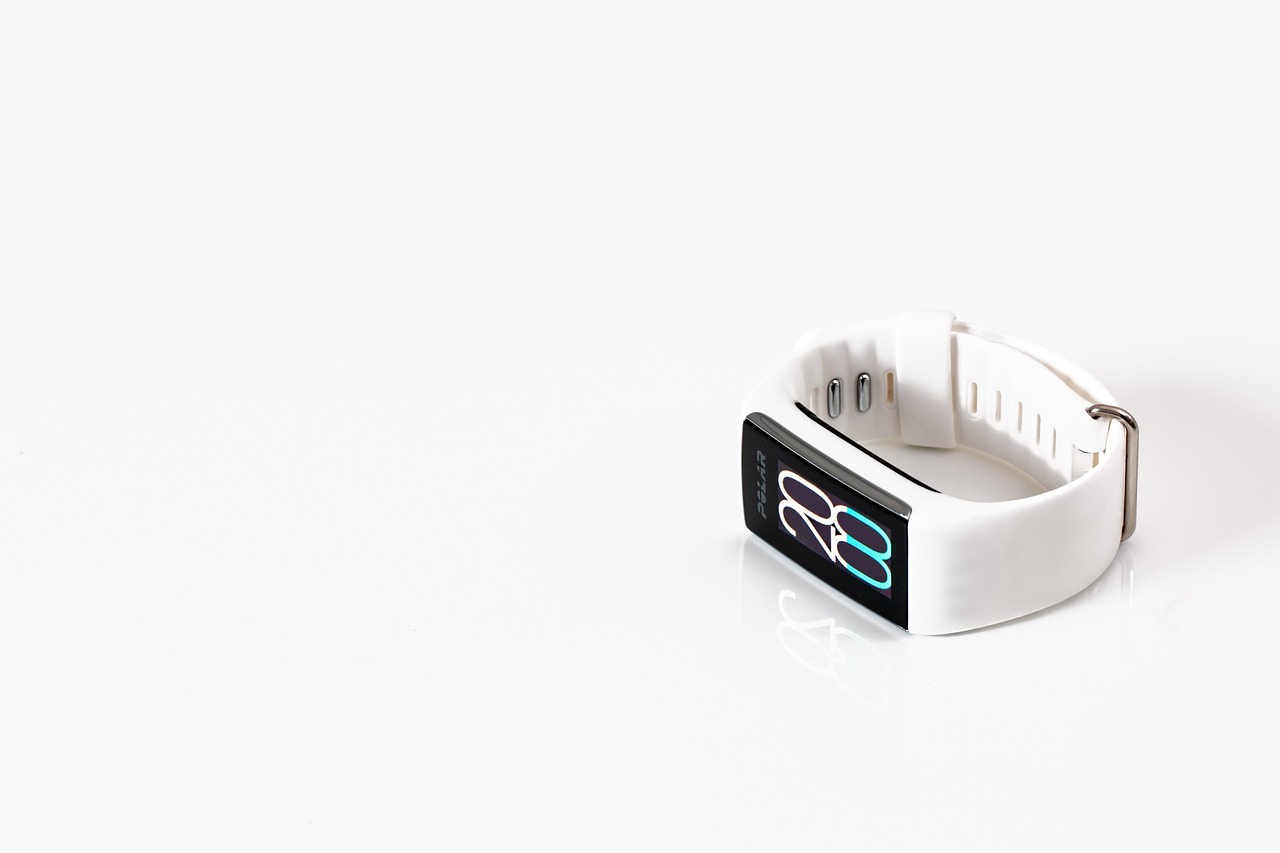
Wrist-worn sleep trackers have gained immense popularity, promoting awareness of sleep patterns and aiding users to improve their sleep quality. Numerous devices are now available, offering features such as sleep stage tracking, total sleep time, and wake monitoring. However, the accuracy of these devices is a subject of ongoing discussion among experts and users alike. Many manufacturers claim their products use advanced sensors for precise data; yet, the veracity of this claim remains variable. Studies have been conducted comparing the data of wrist-worn trackers to polysomnography, the gold standard for sleep measurement. These investigations reveal a mixed bag of results, with some devices showing reasonable accuracy while others fall short. The potential for inaccuracy lies in the technology’s engagement level; movement during sleep can confuse sleep detection algorithms. For the routine user seeking general insights rather than medical diagnosis, wrist-worn trackers serve an effective purpose. Ultimately, individuals must balance convenience with accuracy when choosing a sleep tracking device that meets their needs and preferences in sleep management.
Given the plethora of brands available today in the fitness technology space, it’s essential to consider features when selecting a wrist-worn sleep tracker. Different brands offer distinctive functionalities that appeal to varying consumer needs. For instance, some devices not only track sleep duration but also monitor heart rate, which can provide insights into sleep quality. An important feature includes sleep efficiency metrics—comparing total sleep time to the time spent in bed. Furthermore, many devices use vibration alarms that wake the user at optimal sleep cycles, making mornings more refreshing. Users may also have the option to synchronize their data with mobile applications that provide detailed reports and analytics over time. With such advanced functionalities, consumers can’t overlook the style and comfort of the device. The material, design, and weight of the wristband should complement an individual’s lifestyle. Choosing a simplified interface also plays a role in user satisfaction. Reviews and user feedback can significantly guide prospective buyers. Thus, evaluating features, aesthetics, and user-friendliness can refine the selection process for wrist-worn sleep tracking devices.
Understanding Limitations of Sleep Trackers
Despite the advancements in wrist-worn sleep technology, certain limitations persist, affecting overall effectiveness. One primary concern is their reliance on motion sensors, which can lead to inaccuracies, especially for light sleepers. Users may find that their sleep data is misrepresented, showing longer sleep times than experienced. Furthermore, the differentiation between sleep stages, such as deep and light sleep, may not align with clinical definitions; this is largely due to the algorithms used by devices not being as sophisticated as professionals. Additionally, troubleshooting data inconsistencies can be challenging, particularly for first-time users unfamiliar with interpreting results. Battery life poses another hurdle, as many trackers need frequent charging, which might interfere with nightly monitoring. Factors such as wear position and fit can also affect the accuracy of data collected. If a device isn’t worn correctly, it may yield flawed readings. Lastly, the tracking credibility could decline over time or with wear-induced changes. Users should therefore manage expectations regarding the accuracy presented by these devices while remaining aware of these limitations in the wrist-worn trackers.
Understanding the context in which sleep trackers operate is crucial for users seeking to improve their sleep. Stressors of daily life often impact circadian rhythms, making it difficult for users to get restful sleep. Wrist-worn trackers can highlight trends related to lifestyle choices that promote sleepless nights. For instance, a user may notice correlations between late-night caffeine consumption and fragmented sleep patterns as diagnosed by their device. However, while tracking changes can spotlight issues, they don’t replace professional advice. Consulting with health professionals regarding sleep disturbances remains vital for diagnosis and treatment. Sleep trackers can be useful tools in shifting sleep habits gradually, and it’s important for users to adopt gradual lifestyle changes. Adjusting daily exercise, light exposure, and relaxation techniques in concert with data collected can lead to improved health outcomes. Moreover, continuous improvement in device algorithms and configurations may enhance accuracy over time, recommending a balanced approach. Actively monitoring changes can contribute to personal empowerment over sleep optimization, allowing for a healthier relationship between users and their wrist-worn sleep tracking devices.
Future of Wrist-Worn Sleep Trackers
The future of wrist-worn sleep tracking technology holds considerable promise as advancements continue to unfold. Emerging innovations are paving the way for enhanced precision and user experience. New sensors may integrate clinical-grade electroencephalography (EEG) capabilities, potentially revolutionizing the way sleep stages are measured. As machine learning progresses, sleep patterns may be identified with greater accuracy, providing real-time insights that reflect a user’s unique sleep architecture. Additionally, future trackers may offer integrated health monitoring features, analyzing various parameters such as stress levels and overall well-being. This can lead to a more holistic view of health and lifestyle, empowering users to make informed decisions. With a growing emphasis on personalized health, wrist-worn trackers might evolve into comprehensive wellness companions. Devices may also adopt sleek designs that appeal to fashion-conscious consumers without compromising functionality. Privacy concerns regarding data security and sharing will demand attention, pushing for transparent protocols from manufacturers. As consumers become more knowledgeable, the competition will intensify, leading to exciting developments that may redefine expectations surrounding wrist-worn sleep technologies.
In summary, the quest for accuracy in wrist-worn sleep trackers reveals a complex interplay between technology and user experience. While these devices offer a convenient means to gain insight into sleep habits, potential inaccuracies should temper expectations. It remains crucial for users to remain informed about the strengths and limitations of their chosen trackers. With this understanding, they can focus on utilizing sleep data as a guide rather than definitive scientific conclusions. As new innovations enrich the landscape of fitness technology, awareness of personal sleep needs is integral to success. Investing time in evaluating features, reading user reviews, and understanding fundamental limitations can ensure that users select the most appropriate device. Moreover, integrating acquired insights into lifestyle practices can yield benefits beyond mere tracking; they can support overall well-being. In pursuing optimal health, wrist-worn sleep trackers can serve as valuable tools when used correctly. Their integration into daily routines represents a step toward broader health awareness and improved quality of life. Finally, future enhancements promise even more effective solutions, merging accuracy with user convenience.
Conclusion and Recommendations
In conclusion, wrist-worn sleep trackers have made significant strides in promoting awareness about sleep health, despite their current limitations. Users should approach their findings with skepticism, considering the implications that may arise from errors in tracking data. Thus, those seeking improvement in sleep patterns are encouraged to establish habits focused on consistency in bedtime and health routines. Choosing a device that aligns with your needs while remaining responsive to ongoing technology advancements can enhance user experience. By remaining proactive, users can curate their sleep journeys, utilizing data-driven insights to facilitate healthier decisions. With every stage of development, wrist-worn trackers may become indispensable allies in optimizing sleep and overall health. Recommendations for prospective buyers involve conducting thorough research before purchase and carefully assessing how closely devices fit their specific requirements. Furthermore, users should integrate sleep routines with lifestyle changes, prioritizing well-rounded health perspectives. Finally, maintaining realistic expectations regarding device accuracy fosters a healthier user experience. By effectively discerning and leveraging technology’s insights, benefits can significantly improve their journey towards restful and fulfilling sleep.
As the world embraces more technology-driven solutions, it’s evident that wrist-worn sleep trackers will continue evolving to meet user needs. Founded on research and user experience, the future looks promising. Informed decisions based on verified user feedback and comprehensive feature evaluation can determine the best device for anyone interested in tracking sleep accurately and beneficially. By prioritizing advancements in their technology, manufacturers will impact the overall landscape of sleep technology positively. For individuals who prioritize sleep health, these innovations can help bridge the gap between poor and good sleep habits. Cultivating a holistic approach toward health, integrating dietary, physical, and mental wellness alongside sleep improvement can maximize the benefits received from using these devices. Additionally, being mindful of privacy concerns, users should actively search for tracking solutions that prioritize data security and user consent. An educated consumer is the best advocate for quality in tracking technology, creating a feedback loop where innovation persists based on user experiences. As adoption grows, wrist-worn sleep trackers may shape healthy lifestyles, leading individuals towards better sleep and enhanced well-being, reinforcing the importance of understanding one’s own health journey.