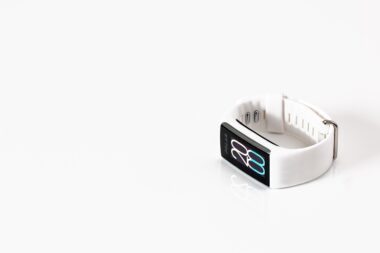

Sleep Tracking Technology: A Game Changer for Sports and Fitness
In recent years, sleep tracking technology has emerged as a transformative tool for athletes and fitness enthusiasts. These devices monitor various aspects of sleep, offering insights that can improve performance and recovery. Sleep is crucial for optimal physical health; it aids in muscle repair, cognitive function, and overall well-being. Understanding sleep patterns allows individuals to customize their training and recovery regimens effectively. Wearables such as smartwatches, fitness bands, and dedicated sleep trackers provide data like sleep duration, quality, and sleep stages, helping users pinpoint when they are in deep versus light sleep. This information is invaluable, guiding decisions about when to train harder or take a rest day. Additionally, many of these devices integrate seamlessly with apps, enabling users to analyze trends over time. Knowledge of one’s sleep habits can encourage better sleep hygiene, such as maintaining a consistent sleep schedule, creating a restful environment, and minimizing screen time before bed. The data derived from sleep tracking empowers users to maximize their athletic capabilities and lead healthier lives. In the competitive world of sports, every advantage counts, making sleep tracking technology indispensable.
Wearable sleep tracking devices typically employ various technologies to gather data. Common methods include accelerometers and heart rate sensors, which work in tandem to deliver comprehensive insights into sleep patterns. Accelerometers detect motion, allowing the device to determine when a user is wakeful versus asleep. Heart rate sensors further enhance accuracy by measuring heart rate variability across sleeping stages. The combination of these technologies enables the wearables to provide a reliable picture of nightly sleep, including disturbances such as awakenings or restless periods. Advanced devices may offer additional features, such as sleep coaching and integration with smart home technology, allowing users to automate sleep environments by controlling lights or temperature. For athletes, the actionable insights from these trackers can lead to improved training programs tailored to their unique needs. Enhanced recovery rates can be achieved by modifying sleep patterns based on real-time feedback. Furthermore, sleep tracking can help identify potential sleep disorders like sleep apnea, which can severely impact athletic performance. Overall, the integration of sleep tracking technology is evolving, offering athletes new tools to reach peak performance and maintain a competitive edge.
Benefits of Improved Sleep for Performance
Better sleep has direct, measurable benefits for athletes and fitness enthusiasts alike. Adequate sleep prepares the body for performance by optimizing recovery processes, improving muscle repair and hormone regulation. Athletes often report increased energy levels, better concentration, and enhanced mood following a restful night’s sleep. Quality sleep helps to stabilize cortisol levels, which is crucial for managing stress and preventing overtraining. Research indicates that sleep deprivation can lead to decreased physical performance, resulting in longer reaction times and reduced endurance. Implementing sleep tracking technology helps users identify their optimal sleep duration and conditions. Analytics provided can illustrate the ideal sleep schedule tailored to individual biological rhythms, making it easier to implement healthier sleep habits. Furthermore, the information can be shared with coaches and nutritionists, leading to more personalized training plans that consider the athlete’s unique sleep needs. This collaborative approach to fitness and recovery elevates the overall training experience and can lead to better athlete satisfaction and retention. Ultimately, embracing sleep tracking technology allows athletes to unlock their full potential, both physically and mentally, propelling them toward their goals more effectively.
Another significant aspect of sleep tracking technology is its ability to promote lasting behavioral changes. Athletes and fitness enthusiasts often struggle to prioritize sleep in their busy schedules. By using sleep tracking devices to quantify sleep quality, users gain motivation to commit to better sleep practices. Seeing the tangible results of improved sleep can reinforce positive habits, like adhering to a bedtime routine or minimizing caffeine intake in the afternoons. Many apps connected to these wearables include gamified elements that make achieving sleep goals engaging. Users may participate in challenges or competitions, enhancing accountability and fostering a community of like-minded individuals focused on health. The social aspect of sharing sleep milestones can boost motivation and perseverance in maintaining these changes. Furthermore, continuous advancements in sleep tracking technology are making these devices more accessible and user-friendly. Algorithms are continually refined to provide even more precise insights into sleep patterns. As these technologies evolve, the potential for improved athletic performance and overall wellness will continue to grow, merging seamlessly with existing fitness routines. Ultimately, sleep tracking technology empowers individuals to manage their health proactively and effectively.
The Future of Sleep Tracking in Sports
As technology continues to advance, the future of sleep tracking in sports looks promising. Innovations in wearable technology will likely lead to more intuitive and effective devices. Future devices may utilize artificial intelligence to analyze sleep data comprehensively and provide athletes with customized insights and recommendations. Such advancements will offer athletes a competitive edge by enabling them to identify specific factors impacting their sleep. Additionally, sleep tracking may evolve to include environmental monitoring. Sensors may measure factors like room temperature, humidity, and noise levels, providing feedback for optimizing sleep environments. As data becomes more integrated across various health metrics, personalized approaches to fitness and recovery will become the norm. Sleep tracking could eventually merge with nutrition tracking and general health monitoring to create an all-in-one sports performance system. By combining multiple data sources, athletes can achieve a holistic view of their well-being. Coaches and trainers will have access to more precise information, enabling more informed training decisions. This integration represents an exciting step forward toward elevating athletic performance and personal health, making sleep tracking technology an integral component of future sports training regimens.
Awareness around the importance of sleep for athletic success is growing. Athletes, trainers, and wellness professionals emphasize the necessity of quality sleep for optimal performance. As these conversations become more prevalent, athletes are encouraged to adopt sleep tracking devices as part of their regimen. Encouraging dialogue about sleep within the sports community can help combat stigma surrounding fatigue and rest. Organizations may offer training sessions for coaches to educate them on sleep’s critical role in athletic success. Furthermore, athletes can set an example by openly discussing their sleep journey and sharing their insights through social media. This increased visibility will help promote wider acceptance of sleep tracking technology and its benefits among sports enthusiasts. As the community embraces the importance of sleep, individuals will be more likely to prioritize their rest and recovery. Communities centered around fitness can benefit from sharing resources and experiences, leading to a collective understanding of sleep’s role in health. This cultural shift could inspire a generation of athletes committed to enhancing both their performance and overall health through better sleep practices, driven by data from advanced sleep tracking devices.
Conclusion
In conclusion, sleep tracking technology is revolutionizing the way athletes and fitness enthusiasts approach performance and recovery. By providing valuable insights into sleep patterns, these devices empower users to make informed decisions regarding their health. The benefits of utilizing sleep trackers are extensive, ranging from improved physical performance to better mental health and well-being. As technology advances, the potential for integrating sleep tracking with other health metrics opens new possibilities for personalized fitness regimens. By harnessing the power of sleep tracking technology, individuals can enhance their training, accelerate recovery, and improve overall performance in sports. As the awareness surrounding the significance of quality sleep grows, so will the acceptance and implementation of these devices in athletic routines. Athletes are becoming increasingly conscious of their sleep habits, and sleep tracking is likely to become a standard component of every athlete’s toolkit. With the collective focus on prioritizing rest, the future of sports and fitness will undoubtedly emphasize the critical relationship between sleep and performance, leading to healthier and more rewarding training experiences.
As we continue to explore the intersection of fitness and technology, sleep tracking stands out as a valuable resource. By keeping an eye on sleep health, both amateur and professional athletes can unlock their true potential and achieve their goals. The integration of data-driven approaches to sleep is paramount for modern training methods. Investing in sleep tracking technology represents a proactive step toward both immediate improvements and long-term success in athletic endeavors. Everyone involved in fitness should recognize that quality sleep is not just a luxury but a necessity for peak performance. As this concept gains traction, we can expect to see even greater advancements in how we understand and utilize sleep in the athletic world.