
The Science Behind Cycling and Fat Burn
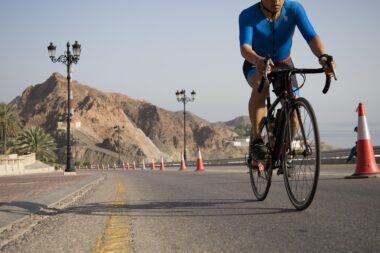
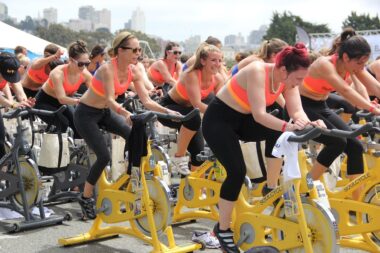
Cycling is not only a great way to explore scenic routes but also an effective exercise method for improving fitness and health. Engaging in cycling enhances cardiovascular endurance and promotes overall well-being. It is understood that cycling can help in burning fat more effectively. The body metabolizes fat for energy during prolonged, steady cycling sessions. The physiological benefits are strongly linked to the intensity and duration of the biking activity. Studies reveal that cycling at moderate intensity for at least 30 minutes can significantly impact body fat reduction. Incorporating periodic high-intensity intervals can optimize fat burn and increase the release of fat-storing hormones. This burst training elevates heart rates and keeps the body in a calorie-burning zone longer post-exercise. This phenomenon is known as the afterburn effect, also termed excess post-exercise oxygen consumption (EPOC). Cycling also strengthens muscle groups such as calves, quads, and glutes. This dual benefit of cardiovascular and muscular engagement creates a synergy that aids fat loss. Moreover, mental health improves as well, reducing stress and anxiety levels, thus contributing positively to holistic wellness.
The Role of Fat in the Body
Fat serves essential functions in the human body beyond being an energy source. It enhances nutrient absorption, particularly for fat-soluble vitamins like A, D, E, and K, facilitating their utilization by the body. Moreover, fat is integral to hormonal balance, influencing metabolic processes and regulating various body functions. The body’s fat stores serve as an energy reserve, particularly important during prolonged physical activity, such as cycling. During high-intensity workouts, the body, initially reliant on glucose for immediate energy, gradually shifts to utilizing fat stores. This transition typically occurs after 20 minutes of moderate to intense cycling. The uniqueness of the body’s metabolic state indicates that fat oxidation increases significantly during endurance activities. This process not only enhances fat-burning but also improves endurance levels. Research shows that the sustained cycling duration engages the body to utilize fat preferentially over carbohydrates after certain thresholds. Therefore, the combined mechanics of cycling and our bodily adaptations to it optimize fat utilization, making cycling an excellent fitness choice for those aiming for weight loss while improving health.
The intensity of cycling plays a critical role in determining how effectively fat is burned during workouts. Moderate-intensity cycling allows the body to efficiently use fat as its primary energy source. This process is referred to as aerobic metabolism, where oxygen is utilized for energy production. As the cycling intensity increases, the body starts employing glycogen stores for energy, transitioning to anaerobic metabolism. Although anaerobic workouts burn more calories overall, the proportion of calories burned from fat is less. For effective fat burn, incorporating various cycling intensities, known as interval training, can significantly enhance metabolic efficiency. Short, intense efforts followed by recovery periods can substantially benefit overall fat loss and cardiovascular improvements. This way, cyclists can experience fat burn even after workouts, benefiting from EPOC. In this state, the body’s metabolism remains elevated hours post-cycling session. A well-structured cycling routine can thus encompass both low and high intensities, leading to comprehensive physiological improvements. More importantly, it is vital to complement cycling with appropriate nutrition to optimize fat-reducing results, tailoring dietary intake to support energy needs while facilitating weight loss.
Nutrition and Cycling
Nutrition plays a pivotal role in enhancing the benefits of cycling, particularly concerning fat metabolism. Fueling the body appropriately allows cyclists to perform within their optimal energy zones, enhancing overall performance and fat burn. Consuming a balanced diet rich in healthy fats, lean proteins, and complex carbohydrates can optimize cycling sessions. Foods such as avocados, nuts, whole grains, and lean meats provide sustained energy and support muscle recovery. Pre-ride meals should ideally be consumed 1-2 hours before riding, focusing primarily on carbohydrates to stock up glycogen stores. During long rides, adopting convenient energy sources through snacks like energy bars or gels can sustain performance and prevent energy dips. Post-ride meals play a crucial role in recovery, helping repair muscles and replenish energy. Protein intake post-exercise aids in muscle recovery, supporting overall endurance. It’s vital to stay hydrated throughout cycling sessions, ensuring the body maintains electrolyte balance for optimal function. Furthermore, monitoring one’s caloric intake in relation to cycling intensity provides a personalized approach to fat loss, enabling cyclists to achieve their fitness goals effectively.
In addition to nutrition, understanding the significance of hydration when cycling cannot be overlooked. Proper hydration is vital for maintaining optimal bodily function and performance levels. When cycling, there is a significant loss of fluids through sweat, especially in warmer climates. Dehydration can lead to fatigue, decreased performance, and hindered fat-burning capabilities. Aim to drink water before, during, and after cycling sessions to counteract fluid loss and stay energized. Cycling for fat burn typically requires endurance; hence, hydration must be continuous. Including electrolytes in hydration routines during longer rides can help replenish lost minerals, ensuring the body remains in an optimal state to synergize effectively with exercise. As a cyclist, being conscious of environmental conditions is essential for understanding individual hydration needs. Listen to your body signals, and tailor fluid intake accordingly, as thirst often is not an accurate indicator of hydration status. Utilize hydration packs or bottles as convenient options to maintain fluid intake. Overall, maintaining appropriate hydration levels enhances cycling performance, supports fat metabolism, and contributes to a sustainable and enjoyable exercise experience.
Setting Goals for Cycling
Setting realistic goals is crucial in maximizing cycling’s fat-burning potential. Goal-setting creates a structured approach for effectively adhering to a cycling routine while tracking progress. Consider both short-term and long-term objectives. Short-term goals may encompass frequency and duration of cycling sessions. These targets facilitate consistency and gradual improvements in fitness levels. Long-term goals could be further related to distance or endurance achievements. This extended timeline allows cyclists to measure overall fat loss success while keeping motivations high. Emphasizing progress leads to sustained effects and greater commitment. Consider utilizing cycling apps that track rides, distance, speed, and calories burned to gauge progress. These tools can serve as inspiration and provide concrete visuals of achievements. Additionally, consider joining cycling groups or communities to enhance motivation and accountability. Support from fellow cyclists can create an encouraging environment that pushes individuals to succeed and share experiences. Properly defining and celebrating milestones along the way boosts morale, creating a positive feedback loop of progress that maintains enthusiasm towards cycling. With clear, actionable goals, the journey of cycling can be fulfilling while aligning effectively with weight loss ambitions.
Lastly, adopting a positive mindset contributes significantly to the success of cycling as a health and fat loss strategy. Mental attitude influences motivation, dedication, and engagement in the sport. Embracing cycling as a pleasurable activity enhances one’s commitment to sticking with it long-term. Adopting fun and encouraging perspectives can make the process more enjoyable, leading to consistent biking sessions in the calendar. Celebrate small victories, such as endurance improvements or achieving distance milestones, fostering positive reinforcement. Mindfulness techniques can also promote focus during rides, enabling cyclists to enhance their cycling experience. Understanding that weight loss and health transformations take time and persistence encourages a sustainable approach devoid of burnout. Recognizing the bigger picture of cycling’s impacts on overall health can keep motivations thriving amidst challenges. Additionally, cycling can be a social activity, utilizing group rides to reduce feelings of isolation during exercise routines. The positive community can support and uplift, creating shared goals and aspirations. Ultimately, combining physical benefits with mental health advocates a comprehensive approach to cycling, making it a truly effective strategy for fitness and wellness.