
Techniques to Develop Ambidexterity for Musicians
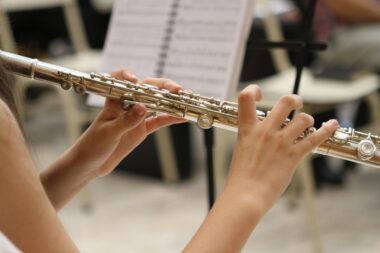
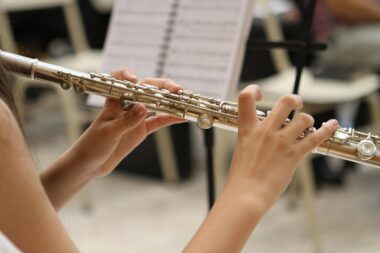
Musicians often rely on finely tuned coordination to produce their art effectively. Developing ambidexterity is crucial for enhancing this coordination, which ultimately results in a more robust performance. The process begins with recognizing the need for balance in one’s abilities. For musicians, this necessitates dedicated practice aimed at strengthening both hands equally, ensuring that neither hand feels strained or underdeveloped. One useful technique involves simple finger exercises that can be performed without an instrument. These exercises help establish a strong connection between the brain and both hands without overwhelming a musician. Using resources like educational videos can provide visual aids and additional motivation. Seek materials that demonstrate effective finger exercises tailored for musicians, as well-packaged information can make the learning process smoother. Practicing drumming or tapping out rhythms using both hands simultaneously amplifies the engagement further. Establishing consistency and discipline in one’s practice routine can lead to significant improvements in ambidexterity over time. Moreover, paying attention to posture and hand positioning brings further benefits to the enhancement process. Visualize future goals to maintain focus and perseverance throughout your journey toward being an ambidextrous musician.
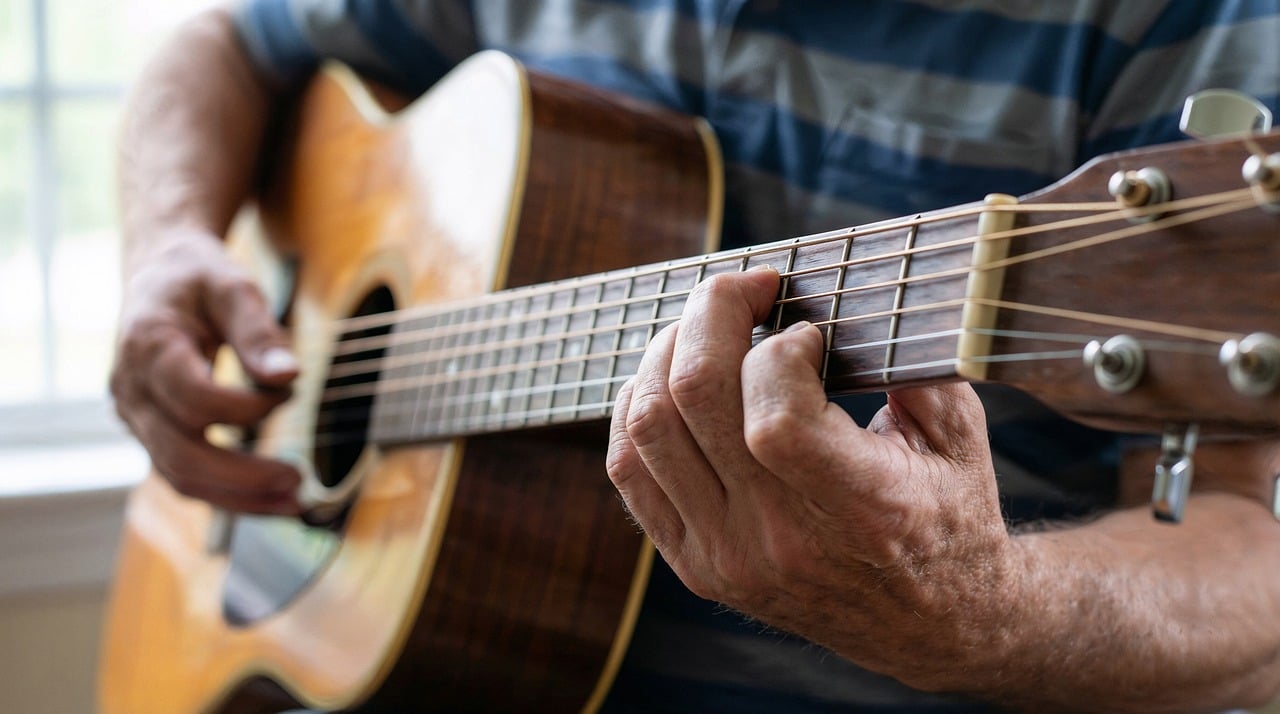
Implementing drills that focus on each hand independently can result in noticeable improvements. One effective method is to work on scales or arpeggios, practicing initially with one hand. Repeat these exercises slowly, ensuring precision before ramping up the speed. Once that hand feels comfortable and confident, transfer your focus to the opposite hand. This concept allows both hands to develop at their own pace while also learning to work together. Another approach is to engage in ambidextrous activities outside of traditional practice. Activities like juggling, handwriting with both hands, or typing can enhance overall motor skills. Simple activities like clapping with alternating hands or brushing your teeth with the non-dominant hand encourage brain engagement. Switching hands while playing simple, repetitive patterns on an instrument builds confidence. The dual engagement strengthens neural pathways that assist in coordination. Moreover, acknowledging progress is crucial for maintaining motivation. Keep a journal documenting your practice milestones and reflect on your successes. Celebrate small victories to ensure continuous enthusiasm. Adopting a multifaceted approach to coordination enhancement ultimately pays dividends in music performance, leading to greater expressiveness, confidence, and versatility as a musician.
Establishing a Routine for Success
To become ambidextrous as a musician, adhering to a structured routine is paramount. Incorporate time for dedicated practice into your daily schedule to ensure consistency. Setting specific goals for each session can improve focus and productivity. For example, aim to dedicate ten minutes solely to exercises that develop left-hand independence, followed by ten minutes focused on the right hand. The variety in practice can keep engagement high and help you avoid burnout. Feedback is invaluable as you progress, so consider recording your sessions. Listening back can highlight areas that require improvement and reinforce your overall development. Additionally, engaging in group practices or classes can provide further benefit; collaboration with peers often illuminates different techniques and motivates musicians to reach beyond their limits. As you progress, reassess and adjust your routine to fit your evolving capabilities. Stay adaptable and open to trying new exercises or techniques that challenge and build your skills. The journey toward ambidexterity is ongoing, requiring patience and dedication. Over time, these effective routines will not only enhance coordination but also deepen your musical expression, allowing for a richer performance experience.
A crucial element of developing ambidexterity involves cultivating a supportive environment. Surrounding yourself with other musicians who share similar goals can ignite a sense of camaraderie and motivation. Collaboration in group settings can encourage experimentation and exploration. Participating in peer practices or workshops can provide invaluable insights and help identify weaknesses. Learning from others’ experiences creates an opportunity for shared growth. Engaging with mentors or experienced musicians can further refine your skills. Their guidance can help you navigate challenges more effectively and provide specialized techniques tailored to your unique needs. It may also be beneficial to seek online communities or forums focused on musician ambidexterity. Provide feedback, share progress, and access rich resources that can aid in your journey. Joining workshops, online courses, or local meet-ups enhances the training experience and broadens your skill set. Create playlists of inspiring music that displays dexterous coordination, allowing you to visualize your aspirations. Ultimately, establishing a community of like-minded musicians creates a safe space for shared learning, experimentation, and accountability. Embrace the enriching relationships developed along the journey to achieving ambidexterity, allowing collaboration to shape your musical experience positively.
Mindfulness and Mental Practice in Coordination
Mindfulness plays a pivotal role in enhancing ambidexterity for musicians. By incorporating mindfulness techniques, you can improve focus and connectedness to your instrument. Begin integrating mindfulness practices such as deep breathing or body scanning prior to your practice sessions. Such techniques help establish mental clarity and emotional readiness. Visualization is another powerful tool; take time to mentally rehearse complex pieces or finger movements while relaxing. As you visualize, picture each motion in rich detail, allowing you to internalize it further. This process can help reduce performance anxiety, as your mind becomes more familiar with the desired outcome. Additionally, consider journaling your thoughts and feelings during practice sessions. Reflecting on daily experiences can illuminate patterns or challenges you encounter. Document progress or frustrations allows you to approach each session with newfound awareness. Employing this reflective practice fosters growth over time, enhancing your skills and building emotional resilience. Ultimately, adopting a mindful approach deepens your connection to music, allowing for richer interpretations. Develop your mental strength alongside physical techniques to forge a more robust path toward achieving ambidexterity in your musicianship.
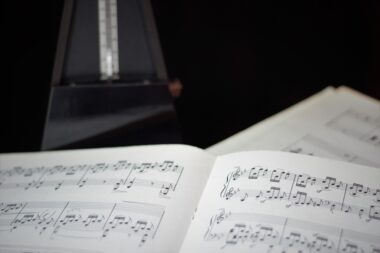
The synergy of physical practice and mental awareness creates a well-rounded approach to mastering ambidexterity. Engage fully in warm-ups, ensuring both hands feel attuned before diving into complex pieces. Utilize deliberate practice strategies by isolating challenging sections and repeating them with heightened focus. Over time, partitioned emphasis allows each hand to gradually adapt to its unique functions within a composition. Introduce rhythmic exercises that require both hands to create dynamic contrasts. For example, read sheet music that comprises polyrhythms to engage your whole functionality as a musician. This technique enhances your ability to multitask while ensuring smooth transitions between passages. Additionally, delve into diverse musical styles that require varied techniques. Exploring genres outside your comfort zone nurtures flexibility and adaptability in your skills. Consider integrating various instruments into your practice regimen, introducing new hand coordination challenges. Expand your proficiency through dynamic partnerships with other musicians. Such collaborations can inspire creativity and innovative adaptations in your music-making. The eventual culmination of these practices leads to a heightened capacity for ambidexterity, substantially enriching your overall performance and artistic identity. Embrace the roadmap of development towards coordinated excellence in your musical explorations.
Sustaining Ambidexterity Beyond Practice
To fully realize and maintain ambidexterity as a musician, one must embrace a continued commitment to improvement beyond practice sessions. Develop a growth mindset that celebrates effort and resilience. This mindset encourages continuous exploration of new technical challenges, fostering a culture of learning in your musical journey. Make practice enjoyable; find ways to merge diverse interests, such as theory or composition. These endeavors can further enhance coordination by requiring you to think critically about how different elements interact. Engage in community performances or open mic nights to push your boundaries and stimulate real-time feedback. Performance settings create opportunities to apply developed skills while strengthening stage presence and confidence. Make a habit of analyzing performances, identifying areas for growth and improvement. Collaborate to share experiences that enrich your knowledge pool. Investing in music technology provides additional avenues for practice. Explore apps or tools that aid in rhythm training or metronome practice, facilitating overall coordination. Consider recording your practice and performances to assess advancement over time. Keeping abreast of new techniques or innovations pushes your journey further, ensuring a sustainable path to mastery in ambidexterity.
The journey toward achieving ambidexterity in musicianship is rich with opportunities for growth, collaboration, and exploration. The techniques discussed encourage musicians to expand their abilities continuously. By committing to practice and integrating diverse exercises, visualizations, and collaboration, musicians can maximize their potential. Develop mindfulness strategies and keep track of progress to maintain motivation. Seek supportive environments—mentorship or peer groups centered on mutual goals enhance accountability and growth. Remember, building ambidexterity is a personal journey with unique challenges and successes. Embrace each aspect of learning as both crucial and enjoyable. Celebrate progress and milestones, cherishing the evolution of your musicianship as an invigorating process. As you cultivate ambidextrous skills, the results will manifest in expressive performances and greater confidence. Ultimately, strive for balance and coordination in music, as central to artistic expression. Deliver performances that convey your hard work, and skillful dexterity, and resonate with audiences. Allow the techniques of ambidexterity to not just become tools but integral parts of who you are as a musician. As you embrace lifelong learning, your artistry matures, leading to profound musical experiences, enriching both yours and your listeners’ connection with music.