
Using Metronomes for Musicians’ Coordination
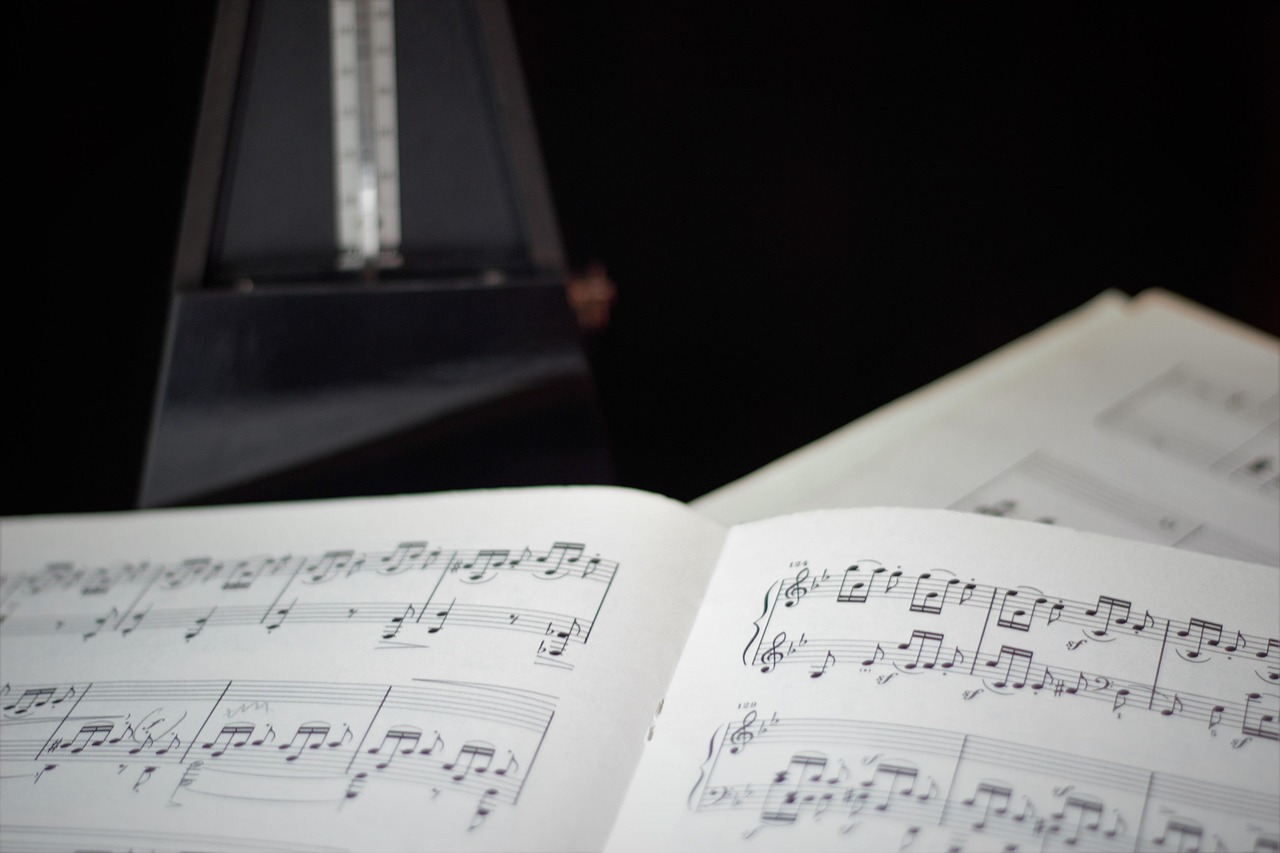
The ability to synchronize timing and coordination is essential for musicians of all skill levels. A metronome serves as an invaluable tool for enhancing this crucial skill. By providing a steady beat, it helps musicians develop their internal sense of timing, which is fundamental to playing music accurately and expressively. Regular practice with a metronome can improve a musician’s ability to stay in sync with other players, making ensemble performance more cohesive. It’s not just about playing in time; it’s also about developing awareness of how to shape rhythms creatively while still maintaining the underlying pulse. Additionally, using a metronome can aid in the learning of complex rhythms, allowing musicians to break down challenging passages into manageable segments. By slowly increasing the metronome speed, performers can challenge their coordination skills progressively. This method promotes a deeper understanding of rhythmic structures, essential in various genres of music. Ultimately, incorporating a metronome into practice routines can be a game-changer for musicians wanting to enhance their coordination and timing.
Besides improving timing, metronomes can significantly enhance a musician’s overall skill set. By offering the ability to practice at various tempos, metronomes allow musicians to solidify their technique across a range of speeds. When a musician practices slowly, they can focus on precision and control, ensuring that every note is played accurately. As familiarity with the music increases, they can gradually speed up the metronome, testing and expanding their technical limits. This gradual approach not only improves muscle memory but also increases confidence during performances. Practicing with a metronome normalizes the process of playing at different tempos, which is crucial during live performances. Unexpected tempo changes or varying rhythms are common on stage, and a well-practiced musician can respond effectively. Awareness of how to adjust to these changes fluidly leads to better performance outcomes. Additionally, a metronome encourages discipline in practice sessions. Setting specific metronome tempos can help musicians maintain focus and motivation while pushing their boundaries. With consistent use, metronomes cultivate a level of skill and confidence that elevates musicianship to new heights.
The Psychological Benefits of Using Metronomes
Apart from technical advantages, utilizing a metronome can yield psychological benefits for musicians. The presence of a steady beat fosters a sense of security and stability, allowing musicians to focus solely on their performance without worrying about losing time. This mental clarity can lead to improved concentration and creativity. When musicians feel confident in their timing, they are more likely to experiment with dynamics and expression, deepening their interpretative abilities. Moreover, practicing with a metronome can help reduce performance anxiety. By internalizing the metronomic pulse, musicians create a mental foundation that they can rely on during high-pressure situations, such as auditions and performances. Confidence is built through repetition; as musicians learn to trust their inner clock, they can channel their energies towards expressing musical ideas. The reduction of anxiety through structured practice leads to more enjoyable and fulfilling performances. Regular metronome use teaches musicians that timing is not just a technical necessity but an integral part of their musical expression. This awareness can profoundly influence their overall approach to music-making.
Furthermore, metronomes can serve as an excellent tool for ear training, helping musicians develop their auditory skills alongside their coordination. By listening intently to the metronomic clicks, musicians learn to distinguish between different rhythmic values and nuances, sharpening their ability to identify timing discrepancies in their playing. This enhancement of listening skills is vital for musicians, especially those working in ensemble settings where maintaining synchronization with others is crucial. Ear training through metronomes helps musicians uncover and address their timing weaknesses, resulting in more polished performances and collaborations. Furthermore, using a metronome can cultivate an awareness of groove and swing, allowing musicians to explore various rhythmic styles beyond the metronome’s strict beat. By alternating between strict metronomic practice and improvisation without it, musicians can bridge technical capability with creative freedom. This exploration not only enriches musicianship but also prepares players for diverse musical scenarios. Embracing both aspects—coordination on the metronome and expression off of it—leads to a well-rounded musician capable of adapting to any genre.
Incorporating Metronomes into Daily Practice
For musicians to reap the full benefits of metronome use, integrating it into daily practice routines is crucial. Establishing specific practice goals involving the metronome can motivate and guide musicians. For instance, setting achievable goals, such as mastering a new piece at a specific tempo, creates a clear roadmap for practice sessions. Musicians should begin by practicing slowly before gradually increasing the tempo, ensuring accuracy and control at each level. It’s also important to vary the metronome settings, alternating between quarter notes, eighth notes, or even triplets, to challenge coordination and enhance rhythmic flexibility. By diversifying their metronomic practice, musicians can keep their sessions engaging and stimulating. Regularly setting aside dedicated time for metronome exercises can cultivate discipline and consistency in practice habits. Short, focused intervals with a metronome are preferable over lengthy, unfocused sessions. This correlation between quality and quantity leads to more effective skill acquisition. Ultimately, making metronomes a staple in practice routines offers immeasurable advantages, translating the skills honed during practice into the performance arena.
In conclusion, metronomes are invaluable tools for enhancing coordination and timing among musicians. The consistent beat provided by a metronome allows for improved internal timing and synchronization when collaborating with others. Practicing with a metronome not only builds technical proficiency across varying tempos but also fosters psychological confidence, reducing anxiety during performances. Moreover, the integration of metronome training into daily practice routines enhances listening skills through ear training, allowing musicians to address timing weaknesses effectively. By challenging themselves with diverse rhythmic exercises, musicians can explore their creative expression while developing a deep understanding of their craft. The symbiotic relationship between metronomic practice and artistic freedom is vital for well-rounded musicianship. Therefore, incorporating metronomes into practice sessions is essential for any musician aspiring to elevate their coordination and timing skills. As evolving artists, musicians can transform regular practice into a space where technicality and creativity harmoniously coexist. With commitment and consistent effort, the benefits of metronome use will undoubtedly manifest in both individual performances and collaborative projects.
Final Thoughts on Timing and Collaboration
The importance of timing in music cannot be overstated, especially when it comes to collaboration among musicians. Metronomes serve as an essential practice tool that reinforces the necessity of synchronized playing. By having a reliable external rhythmic guide, musicians can find common ground and establish synergy. This is especially important during ensemble performances, where inconsistent timing can detract from the group’s overall musical expression. Having practiced meticulously with a metronome, musicians arrive at rehearsals better prepared to contribute effectively to the group dynamics. Their enhanced coordination skills translate into a more cohesive overall sound, creating a seamless auditory experience for audiences. Collaboration enriches the musical process, and coherent timing is the cornerstone enabling this enrichment. As musicians work together, the familiarity with maintaining a steady tempo fosters deeper connections between them. This interaction can lead to remarkable musical moments, generated from both individual practice and group cohesion. Thus, the lasting impact of metronomes on coordination and timing amplifies the collective creativity of musicians, showcasing the profound effects of disciplined practice in the realm of music.
Lastly, cultivating a community around metronome practice can be beneficial for musicians as it encourages support and motivation. Musicians can share practice tips, set challenges, and even record progress while working with metronomes. Engaging in friendly competitions regarding tempo accuracy can stimulate enthusiasm and enhance commitment to improvement. Forming practice groups centered around this method is another rewarding initiative that fosters camaraderie and collective improvement. Networking with fellow musicians to embark on a shared journey through metronome practice can create accountability, which is often lacking in solo practice. It opens the door to sharing insights and discovering diverse approaches to utilizing metronomes. Additionally, community discussions can revolve around the psychological aspects of metronome use, offering platforms to share experiences and strategies. This invaluable exchange of knowledge not only fosters individual skill enhancements but also encourages collective progress. The intersection of technology and creativity becomes evident when musicians come together, forming a dynamic learning environment. In this context, metronomes elevate their role from mere tools to catalysts for holistic musical growth.