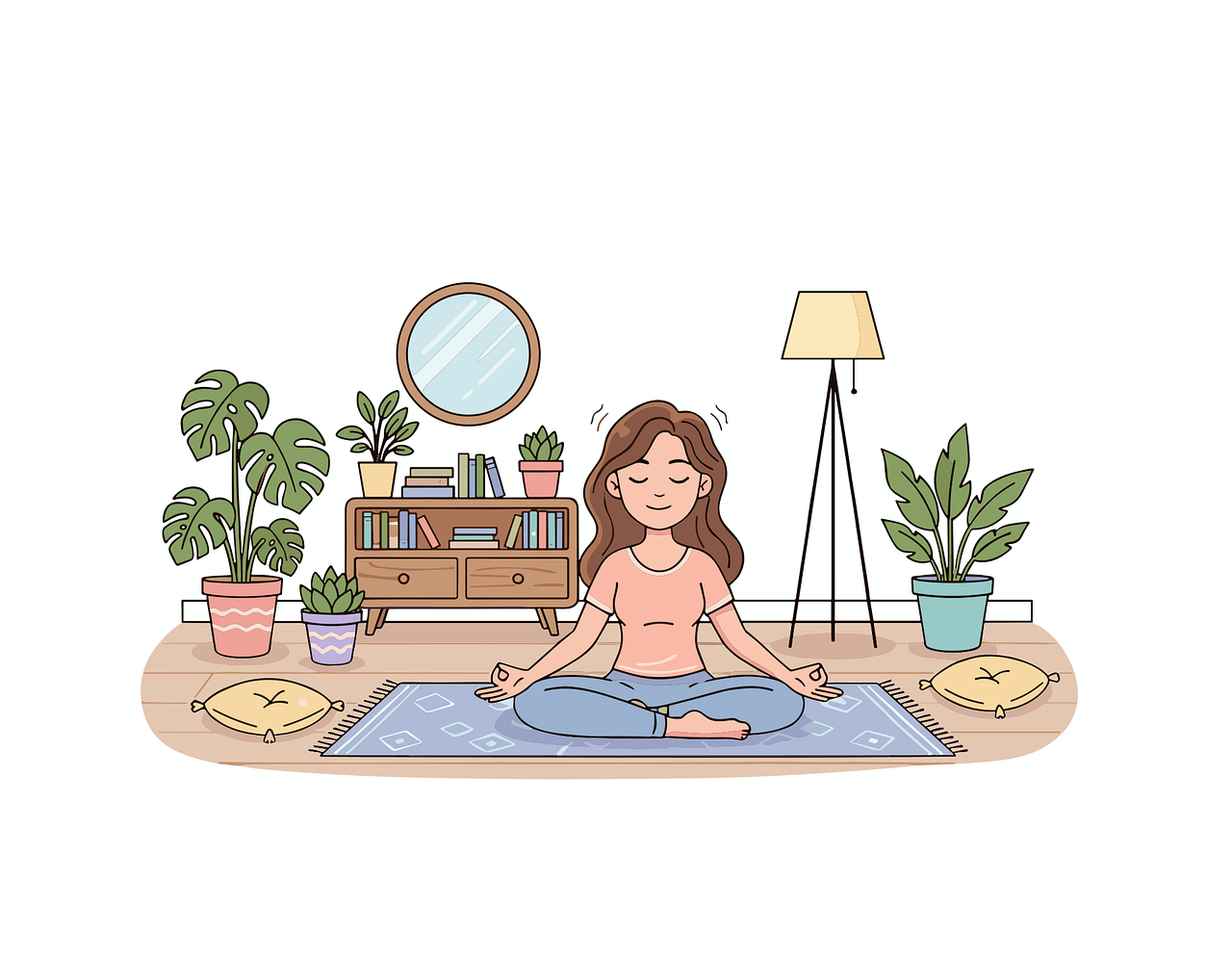

Breathing Exercises Before Bed to Improve Sleep Quality
Incorporating breathing exercises before bedtime can significantly enhance your sleep quality. When we focus on our breath, we activate the body’s relaxation response, which helps calm the mind and release tension. There are various techniques to explore, and each offers its benefits. The purpose of these exercises is to shift your focus away from daily stressors, making it easier to drift off into a restful sleep. Before trying these exercises, it’s essential to create a conducive sleeping environment. Ensure your bedroom is cool, dark, and quiet. Examples of effective breathing techniques include diaphragmatic breathing, 4-7-8 breathing, and box breathing. Each method has its unique approach and can be tailored to your preferences. Find a comfortable position, either sitting or lying down, and focus on your breath. This technique not only lowers heart rate and blood pressure but also calms the mind in preparation for sleep. Additionally, practice these exercises consistently for maximum benefit. Over time, you’ll notice improvements in your overall well-being and sleep quality, making it a valuable addition to your nightly routine.
The diaphragm plays a crucial role in deep breathing exercises. This muscle helps expand the lungs and fill them with air, promoting relaxation throughout the body. To practice diaphragmatic breathing, relax your shoulders and place one hand on your chest and the other on your abdomen. Inhale deeply through your nose, allowing your stomach to rise while keeping your chest still. Hold the breath for a few seconds before exhaling slowly through your mouth. Repeat this process several times, focusing on the rhythm of your breath. You’ll find it calming and effective at quieting an overactive mind. Another excellent method is the 4-7-8 breathing technique, which promotes relaxation. To perform this, inhale quietly through your nose for a count of four, hold your breath for a count of seven, and then exhale completely through your mouth for eight seconds. It’s believed that this method balances the nervous system and helps ease stress, leading to better sleep. Consistent practice of these breathing exercises will enhance their effectiveness and become a relaxing bedtime ritual.
Implementing Box Breathing
Box breathing is another powerful technique to enhance sleep quality. This method involves four equal parts: inhale, hold, exhale, and hold again. Start by inhaling through your nose for a count of four. Hold your breath for another count of four. Exhale slowly through your mouth for a count of four, and finally pause for another count of four before inhaling again. The rhythmic pattern of this exercise helps balance the body’s stress response. As you practice, you’ll notice your mind quieting, allowing you to approach sleep with a sense of calm. Box breathing can be particularly beneficial after a stressful day. Engaging in this exercise helps release pent-up tension while cultivating mindfulness. It’s particularly effective when integrated into your nightly routine – it encourages a healthy transition from wakefulness to sleepiness. Practicing this method regularly will not only benefit your sleep but also improve your mental clarity during the day. As you incorporate it into your routine, remember to maintain a comfortable environment, as a nurturing sleep space complements these exercises.
In addition to traditional breathing techniques, guided meditations focusing on breath can provide substantial benefits. Many apps and online platforms offer meditation specifically designed to aid sleep quality. A typical session may involve calming music, soothing sounds, or a voice guiding you through relaxation techniques. The impact of guided meditation coupled with breathing exercises is profoundly restorative. These sessions encourage mental clarity and prompt deep relaxation, making it easier to embrace sleep. While practicing these routines, make sure to remain consistent, as regularity enhances their effectiveness. Integrating both breathing exercises and guided meditations into your bedtime routine creates a holistic approach to improving sleep quality. Take note of how these practices affect your sleep patterns. You may find that within weeks, your quality of sleep improves significantly. Tracking your progress helps maintain motivation as you establish a healthier nighttime routine. Remember, patience is vital when developing any new habit, including meditation and breathing exercises. As your practice deepens, you’ll likely notice progress in your overall wellness.
The Role of the Mind in Sleep Quality
Your mindset plays a critical role in achieving quality sleep. Stress and anxiety can create barriers to restful sleep, making it essential to adopt effective coping strategies. Breathing exercises, like the techniques mentioned, can help quiet racing thoughts and alleviate feelings of anxiety. By focusing on your breath, you turn your attention away from worrying thoughts and redirect it more positively. It’s essential to make sleep a priority within your overall wellness journey. Developing relaxation techniques and fostering a calm environment each night sends signals to your brain that it’s time to wind down. Pay close attention to how your body reacts during these exercises. Consider how different environments support relaxation and how these changes influence your sleep. Identifying a pre-bedtime routine encompassing meditation, breathing, and a calm atmosphere prepares your mind and body for restorative rest. Creating a consistent pattern can lead to lasting improvements in sleep quality and overall well-being. You might explore a variety of techniques and styles to see which best suits your need for relaxation.
In conclusion, the integration of breathing exercises into your bedtime routine can greatly enhance your sleep quality. These techniques provide essential tools for managing stress, fostering relaxation, and helping individuals drift into a more restful slumber. With consistent practice of methods like diaphragmatic breathing, 4-7-8 breathing, and box breathing, you pave the way for better sleep. Take the time to create a serene environment that supports the practice of these techniques, ensuring a calm atmosphere conducive to relaxation. Explore guided meditations focusing on breath as an additional element to elevate your sleep experience. Furthermore, remain mindful of your mindset surrounding sleep, embracing healthy habits such as reduced screen time before bed and keeping your sleep space tranquil. Over time, you’ll find that these practices lead not only to improved sleep quality but also to greater well-being and mental clarity in daily life. Prioritize your sleep health by implementing these techniques diligently. Embrace them as part of your self-care routine, and watch as your relationship with sleep transforms for the better.
Reflecting on Your Progress
Lastly, regularly reflecting on your sleep and breathing practices will strengthen your commitment to improving sleep quality. Keeping a sleep journal can help track patterns, noting which techniques work best for you and when. By reflecting on this information, you can adjust your approach as needed. Additionally, connect with communities or participate in discussions about sleep improvement methods to gather insights and motivation. Encourage friends and family members to join you in these practices for shared benefits and accountability. As you progress, stay open to exploring new techniques. Your journey to improve sleep through breathing exercises is personal. Feel empowered to adapt methods, experimenting with what brings you the most benefits. Remember that establishing effective routines can take time, and every small improvement adds up. Celebrate milestones, whether related to sleep quality, routine consistency, or the overall feeling of relaxation achieved. Embrace this journey focusing on self-care; it offers opportunities for growth and enhanced well-being.
As you engage in these practices, remember that each person’s connection with meditation and breathing exercises can vary. What works wonderfully for one individual might differ for another. It’s important to listen to your body and adjust accordingly. This personal approach not only fosters a greater understanding of your needs but also supports you in establishing a sustainable routine. Seek resources such as books, online courses, or local classes to enhance your knowledge and expand your toolkit for relaxation techniques. Surround yourself with supportive networks that encourage your journey toward improved sleep and recovery. As you master these breathing exercises, the benefits you’ll experience can lead to profound changes in your sleep habits and overall health. By being patient and persistent, you’ll be more equipped to create a peaceful sanctuary that promotes sleep. Ultimately, prioritize your mental and physical well-being as you embark on this journey to enhance sleep quality through mindfulness and relaxation.