
Ergonomic Footwear for Hiking: Comfort Meets Functionality
When it comes to hiking, the importance of wearing ergonomic footwear cannot be overstated. Proper footwear significantly enhances your overall hiking experience by providing vital support, cushioning, and stability during your adventures. As you navigate various terrains, having the right footwear is essential in preventing discomfort and injuries. Instability can lead to trips, slips, and falls which can ruin a beautiful hike. Quality hiking shoes designed with ergonomics in mind help to ensure that your feet remain stable regardless of the ground surface. In addition, the right footwear can reduce fatigue, allowing you to hike further and enjoy your surroundings longer. Prioritizing comfort and functionality in your hiking footwear should be your main objective. By doing so, you’re less likely to experience pain or discomfort that could derail your plans. Investing in well-designed ergonomic footwear may initially appear costly, but it pays off in the long run through the increased enjoyment and safety of your outdoor activities. Always consider selecting shoes that best fit your specific hiking needs such as support and breathability.
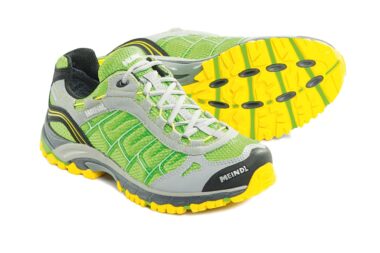
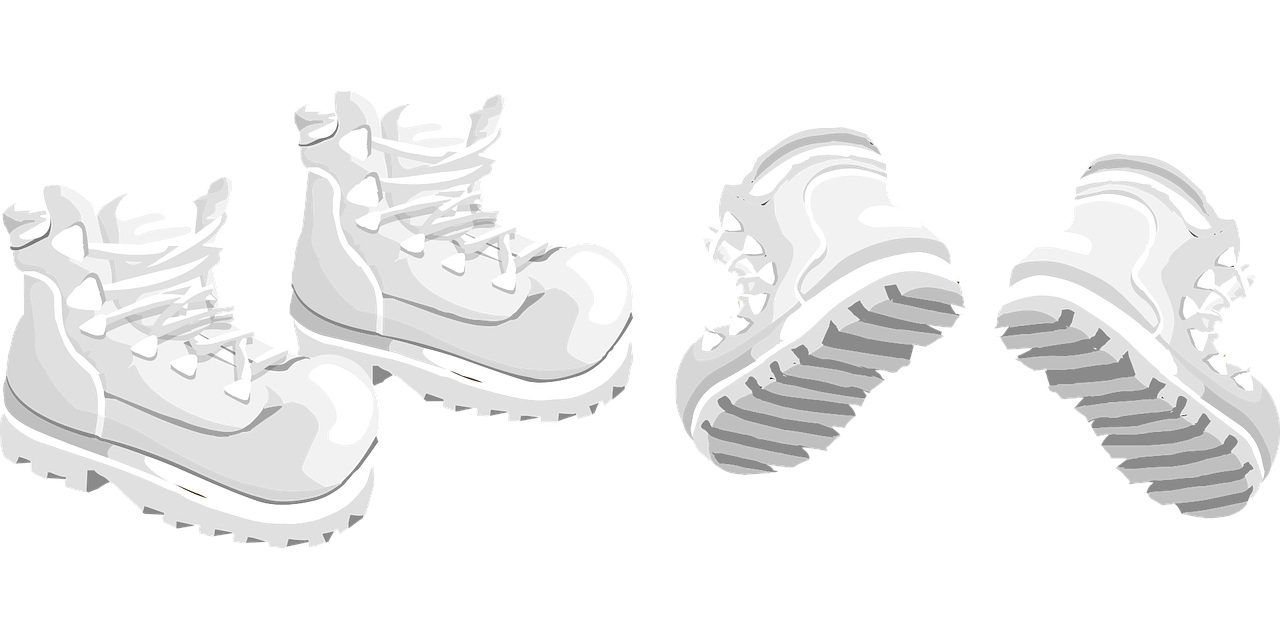
When exploring the features of ergonomic hiking footwear, the shock absorption capability is one of the key aspects to consider. Ergonomic shoes typically have built-in technology to absorb the impact of each step, allowing your body to remain less fatigued during long treks. Footwear crafted with specific cushioning materials enhances comfort significantly by distributing weight evenly across your feet. This prevents painful pressure points and offers protection from uneven surfaces. Comfort is further improved with added insoles that can adjust to the shape of your foot. Breathability is another vital feature; look for shoes that incorporate moisture-wicking materials and ventilation systems. This maintains a dry and comfortable environment by reducing sweat accumulation, which can lead to blisters. Your feet need to be well-ventilated to tackle varying climates comfortably. Moreover, lightweight construction in ergonomic footwear can enhance maneuverability and reduce the overall load during the hike. Remember, lightweight does not compromise stability, as many ergonomic shoes utilize advanced construction techniques. Make sure to also check for traction to ensure safe navigational ability on various surfaces like wet rocks or loose gravel.
Choosing the Right Fit
Finding the right fit is essential when selecting hiking footwear. A poor fit can cause issues such as blisters, calluses, and overall discomfort during hikes. To find shoes that fit well and provide optimal support, consider measurements of both length and width of your foot. Try on shoes in the afternoon or evening when feet tend to swell slightly, ensuring a comfortable fit throughout your hike. Additionally, wearing the socks you’ll use on your hikes while trying on shoes is advised. Each brand may have its sizing standards, so it’s important to check each shoe individually. When standing, there should be a thumb’s width of space between your longest toe and the end of the shoe. Also, ensure that the shoe’s heel fits snugly to avoid slipping during movement. Flexibility in the shoe’s sole is crucial as well; it should allow you to bend your foot naturally while providing support. You may also want to invest in aftermarket insoles for added arch support tailored to your feet. Prioritizing the right fit increases comfort and safety while hiking.
The materials used in ergonomic hiking footwear play a vital role in their effectiveness. Quality materials contribute to durability, breathability, weight, and overall comfort. When evaluating potential hiking shoes, examine the upper materials; options like leather offer durability while synthetics provide lightweight breathability. Waterproof options are available but can sometimes sacrifice breathability. Assessing the outsole is equally important; rubber soles with good tread patterns can offer better grip on slippery surfaces. Midsole materials, such as EVA foam, can aid in shock absorption and enhance comfort. Moreover, look for stylish designs that still function effectively as hiking shoes. While aesthetics matter, functionality is of utmost significance when selecting footwear. Manufacturers are increasingly blending style with the latest ergonomic technologies, so you can have a chic look without compromising performance. Versatility is another factor to consider; hiking footwear that works well on trails should transition comfortably into casual settings. Durability is paramount, especially if you plan on using the footwear frequently. Investing in shoes that last prevents the need for repeated purchases, improving your overall hiking experience through reliable, well-constructed footwear.
Footwear and Terrain Considerations
Different terrains require specific features in ergonomic hiking footwear. Depending on your chosen hiking paths, morphology, and design of your shoes will change. For example, if you plan to traverse rocky or uneven surfaces, shoes with a stiffer sole may be ideal to enhance stability and protect your feet from sharp objects. In contrast, if you prefer smooth trails, lighter and flexible shoes may be more appropriate to maintain agility and reduce fatigue. Moreover, seasons can influence your choice of footwear. In colder months, insulated shoes with waterproof features offer essential warmth and dryness during wet or snowy conditions. Conversely, consider lightweight, breathable models for summer hikes to prevent overheating and sweating. Each hiking adventure you embark on might demand a different type of footwear regarding traction, cushioning, and support. It is beneficial to research various shoe types for different landscapes and to adjust your footwear accordingly. This ensures that you’re equipped with the right tools to tackle any hiking environment confidently.
Another aspect to consider when selecting ergonomic footwear is the break-in period before hitting the trail. New shoes often require time to adjust to your feet, which can affect comfort and performance on your hike. Wearing your new footwear around the house or during short walks prepares your feet and allows the material to mold to your unique shape. This process significantly reduces the likelihood of blisters and discomfort during longer hikes. Establishing a break-in routine is essential; aim for several hours to a few days of gentle wear before heading out on a substantial trek. Listen to your body during this transition, as every individual’s foot shape varies. If issues arise during this time, consider returning or replacing the shoes to find the perfect fit. Remember, prioritizing comfort and fit significantly contributes to enhancing your hiking experience. Ergonomic footwear requires the same attention to detail as other hiking gear. Choose shoes that feel as though they were made for you so that your focus remains on the beauty of your outdoor adventure rather than discomfort in your feet.
Maintenance of Your Ergonomic Footwear
To extend the life of your ergonomic hiking footwear, proper maintenance is key. Cleaning shoes after each hike helps to preserve materials and function. Remove debris and dirt, as this can damage the shoe’s integrity over time. Use a damp cloth and mild soap with a brush for tougher stains, avoiding harsh chemicals that could compromise materials. Dry your shoes away from direct sunlight or heat sources, as these can cause the materials to warp or crack. It’s also wise to periodically inspect your shoes for any signs of wear and tear, like split seams or worn-out tread. Timely repairs can not only extend the lifespan of your footwear but significantly enhance your hiking experience. If shoes become damaged, seeking professional repair services may also be beneficial instead of replacing them immediately. Lastly, rotating between pairs if you hike frequently can be a great strategy. This allows each pair sufficient time to recover between hikes while you maintain peak comfort levels on all of your outdoor adventures.
In conclusion, investing in high-quality ergonomic footwear is a crucial step toward enhancing your hiking experience. By focusing on comfort, support, and functionality, you can choose footwear that meets the demands of various terrains and weather conditions. Understanding the importance of choosing the right fit, materials, and flexible designs ensures that each hike is enjoyable and safe. Preparing your shoes through a break-in period can help alleviate discomfort and potential foot problems. Remember to consider trail conditions when selecting your footwear to ensure optimal performance. Regular maintenance is necessary for durability; this ensures that your footwear provides adequate support and comfort for years to come. As you venture into the great outdoors, the right ergonomic footwear can be a game changer, helping you navigate diverse paths while keeping your feet protected and relaxed. In essence, embracing the right ergonomic shoes elevates your hiking experience beyond comparison. No longer will you face discomfort, as ergonomic footwear acts as your steadfast partner. Aim to find the perfect pair that matches your style and ensures a remarkable hiking journey that you won’t soon forget.