
Effectiveness of Sports Massage in Treating Muscle Strains
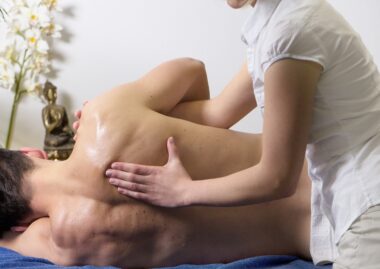
Sports massage therapy plays a crucial role in enhancing recovery and rehabilitation, particularly for muscle strains. Muscle strains occur when muscle fibers are overstretched or torn, often resulting from strenuous activity. Effective treatment is necessary to reduce pain, inflammation, and promote healing. A sports massage can improve blood circulation, thus enhancing the supply of nutrients to the affected areas. This treatment method not only alleviates the discomfort associated with muscle strains but also aids in reducing swelling. Furthermore, the techniques employed during sports massage, such as kneading and cross-fiber friction, can help to break down scar tissue and improve flexibility. This improvement in muscle flexibility is particularly beneficial in preventing future injuries. Athletes often report a significant reduction in pain levels following a massage session, contributing to their overall performance enhancement. The prescribed frequency and duration of these sessions vary depending on the severity of the strain, as well as the individual’s overall health. These factors greatly affect the effectiveness of sports massage therapy in managing muscle injuries.
Mechanisms of Sports Massage Therapy
Understanding the physiological mechanisms behind sports massage therapy is essential for recognizing its effectiveness in treating muscle strains. The pressure applied during a massage helps to stimulate the nervous system, which can activate the body’s intrinsic healing processes. Additionally, massage therapy increases lymphatic drainage, promoting the removal of metabolic waste products from the muscles. Through such actions, the body can better regulate inflammation and enhance the healing process. Moreover, the heat generated by the massage stimulates muscles, which can lead to a temporary reduction in pain due to the release of endorphins. These natural pain relief agents interact with the body’s opioid receptors, providing a sense of well-being. Another important aspect of sports massage is the impact it has on the connective tissues surrounding muscles. By improving tissue mobility and elasticity, the risk of future strains can be reduced. This increased flexibility allows athletes to perform optimally without compromising their well-being. Therefore, incorporating regular sports massage into an athlete’s training routine can significantly contribute to improved recovery and performance.
The psychological benefits of sports massage cannot be overlooked when discussing its effectiveness in muscle strain recovery. Athletes often encounter significant mental stress due to the pressures of competition and training. Sports massage acts as a form of relaxation, subsequently promoting mental clarity and focus. By facilitating mental relaxation, a massage can improve an athlete’s mindset, making them more resilient. Furthermore, the sense of touch during a massage fosters a connection between the therapist and the athlete, enhancing the athlete’s trust in the healing process. This trust can amplify treatment outcomes as athletes may be more inclined to follow rehabilitation protocols when they feel supported. Additionally, the routine of visiting a therapist for massage can help establish healthy habits that promote overall wellness and recovery. This aspect often leads to improved athlete satisfaction and motivation, which are critical components of rehabilitation. Consequently, sports massage therapy not only addresses physical concerns but also provides essential emotional support, vital in the rehabilitation process for muscle strains. This combination of benefits makes it an effective treatment modality.
Integrating Sports Massage in Training Regimens
For athletes looking to integrate sports massage therapy effectively into their training regimens, a structured approach is necessary. For optimal results, athletes should schedule massage sessions before and after competition or training. Pre-event massage helps to prepare muscles by promoting circulation and reducing stiffness, which can enhance performance. Conversely, post-event massage aids in recovery by promoting relaxation and relieving muscle tension. The timing and frequency of these sessions depend on individual training loads and the types of sports participated in. Typically, athletes may benefit from weekly sessions during intense training cycles and less frequently during downtime. Communication with the massage therapist is essential to tailor sessions to specific needs. This personalized approach ensures athletes receive targeted treatment, addressing any emerging issues promptly. Moreover, incorporating other treatments such as physical therapy and chiropractic care can further optimize recovery. The collaboration among healthcare professionals ensures a comprehensive treatment plan focusing on the athlete’s overall health. This integration can significantly minimize the risk of injuries while maximizing athletic performance over time.
Research has consistently demonstrated the efficacy of sports massage therapy in managing muscle strains, emphasizing its relevance in sports medicine. A review of clinical studies indicates a significant decrease in pain and improvement in range of motion for individuals receiving regular sports massages. These findings suggest that therapists can enhance recovery timelines effectively. Additionally, research highlights the importance of skilled practitioners who understand the intricacies of muscle mechanics and have experience working with athletes. The expertise of the therapist significantly impacts the treatment outcomes, necessitating careful selection of professionals for optimal results. Furthermore, standardized protocols have emerged, guiding therapists on techniques most effective in treating specific muscle strains. This ensures consistency and reliability in treatment outcomes. The growing body of evidence supporting sports massage therapy only reinforces its value in both rehabilitation and performance enhancement. With athletes continually seeking effective methods to manage injuries, sports massage has firmly established its place within the broader scope of sports medicine. As research progresses, more advanced techniques may develop, solidifying the role of massage in muscle strain recovery further.
Conclusion and Future Perspectives
In conclusion, sports massage therapy stands out as an effective intervention for treating muscle strains, promoting both physical recovery and psychological well-being. Its multifaceted benefits stem from increased blood circulation, enhanced flexibility, and mental relaxation. As athletes push their bodies to higher limits, maintaining optimal recovery practices becomes essential, making sports massage a relevant and practical solution. Future studies should continue exploring the specific mechanisms behind sports massage and its application across various sports disciplines. This will not only deepen the understanding of its benefits but also promote standardized practices for therapists. Additionally, advancements in technology may lead to innovative treatment modalities that incorporate sports massage principles alongside other therapeutic interventions. By fostering a collaborative approach among healthcare professionals, athletes can receive comprehensive care that prioritizes their health and performance. Ultimately, continued research and practitioners’ dedication to improving techniques will solidify the vital role of sports massage in sports medicine. As athletes navigate their careers, sports massage will remain a cornerstone in injury prevention, rehabilitation, and overall athletic excellence.
Ultimately, sports massage therapy embodies a proactive approach to injury prevention and recovery, particularly regarding muscle strains. By integrating both physiological and psychological strategies, it provides a unique benefit to athletes at all levels. Massage therapy not only enhances physical healing and reduces recovery times but also fosters a positive mental state, crucial during rehabilitation periods. As such, the long-standing tradition of sports massage in the athletic community continues to be validated by ongoing research and clinical evidence. Athletes are encouraged to prioritize their wellness by incorporating these practices into their training schedules. With defined goals and a clear understanding of the benefits, athletes can work confidently with therapists to optimize their recovery. This collaboration will lead to long-lasting improvements in athletic performance and injury resilience. Therefore, both current and aspiring athletes should consider sports massage therapy as an integral part of their training regime to ensure sustained performance. Investing in this modality not only enhances immediate recovery but also supports long-term athletic development. With an ever-evolving landscape, the future remains bright for sports massage therapy in treating muscle strains and advancing sports medicine.
In sum, the role of sports massage therapy in treating muscle strains should not be underestimated. As athletes strive for excellence, understanding the multifaceted benefits of this therapy becomes essential. From alleviating pain to preventing future injuries, sports massage serves as a vital tool for recovery and enhanced performance. Athletes are encouraged to explore its potential further, collaborating with skilled therapists for personalized treatment plans. Regular integration of sports massage within training regimens can elevate athletic potential. As researchers continue to uncover the intricate connections between massage and muscle recovery, the practice is likely to evolve and adapt in exciting ways. Athletes will benefit immensely from these advancements, ensuring that sports massage therapy remains a cornerstone of strategies to maintain optimal health. Embracing this therapy can lead to improved physical and mental outcomes, allowing athletes to push their limits confidently. The future of sports massage is bright, and its relevance in sports medicine will undoubtedly continue to thrive as evidence-based practices emerge. This underscores the significant interplay of physical rehabilitation and mental well-being, crucial in today’s competitive landscape.