
Evolutionary Trends in Biomechanical Design of Limbs
Exploring the evolutionary trends in biomechanical design provides a fascinating glimpse into how different species have adapted their limbs for various functions. Comparative biomechanics examines these adaptations across a wide range of organisms, uncovering the principles that govern movement and stability. By analyzing limb structures, researchers can identify similarities and differences that highlight the evolutionary pressures influencing design. For example, the forelimbs of birds showcase remarkable adaptations for flight, while those of mammals reveal adaptations for diverse locomotion strategies. Understanding these mechanical properties is crucial for deciphering not only how creatures move but also how they interact with their environment. Furthermore, investigating these adaptations sheds light on the relationship between ecology and biomechanics, with each species adapting to the demands of its habitat. Techniques such as high-speed motion capture and 3D modeling allow scientists to visualize these dynamic movements and provide invaluable insight into limb function. This research aids conservation efforts by improving our understanding of animal adaptations and resilience in the face of environmental changes. Thus, the study of biomechanics is an essential field that merges evolutionary biology with physics and engineering concepts.
Comparative Analysis of Limb Structures
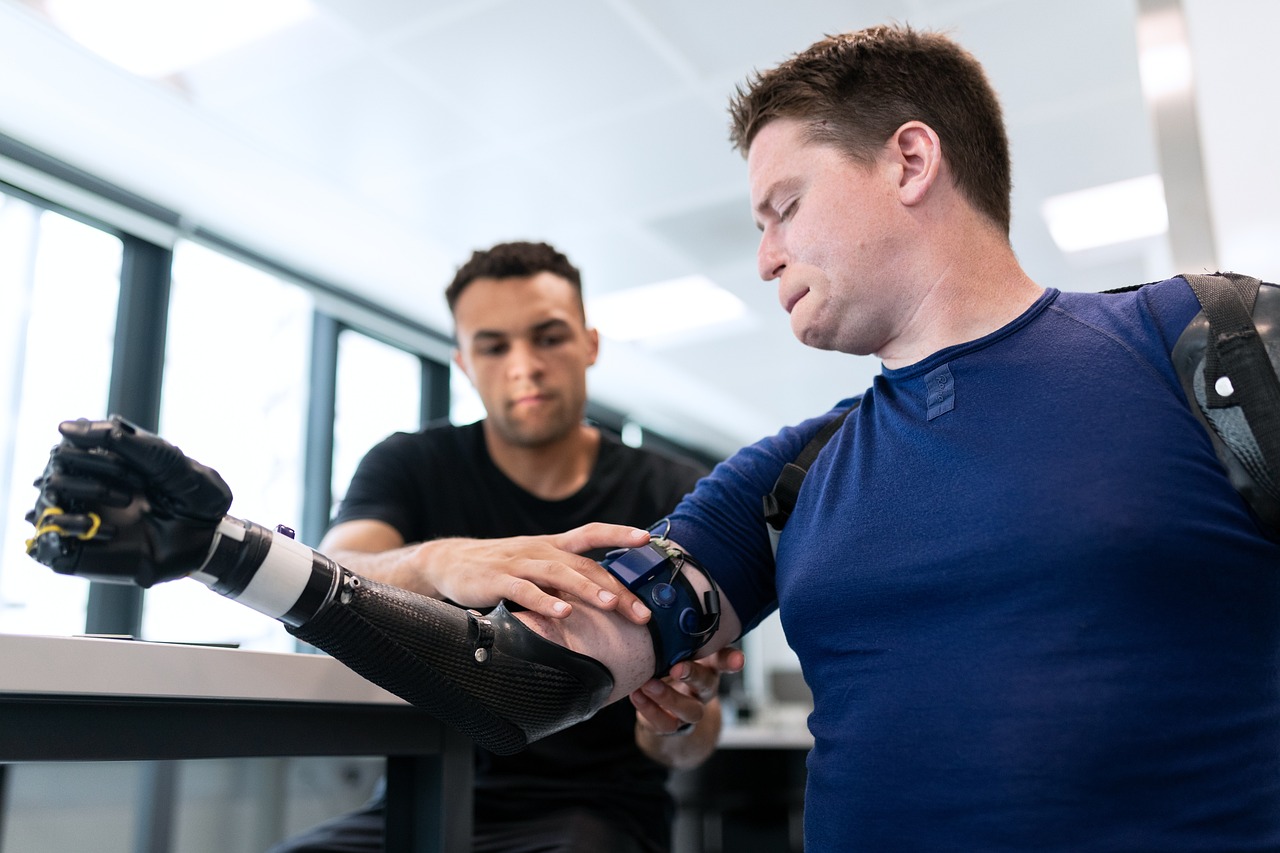
Within the framework of comparative biomechanics, analyzing different limb structures reveals patterns of functional specialization. For instance, the limbs of aquatic animals like dolphins are streamlined for efficient swimming. In contrast, terrestrial mammals possess limbs that have evolved for support and locomotion on land. This structural optimization can be attributed to various factors, including mass, length, and joint arrangement. Researchers utilize tools such as force sensors, strain gauges, and biomechanical models to evaluate how different limb designs perform under various conditions. Such analyses can demonstrate how energy expenditure varies significantly across species. In birds, for instance, the lightweight bone structure supports the mechanics of flight while enabling swift transitions between different speeds. Conversely, the robust skeletal structure in certain mammals provides stability for greater weight volatility. Moreover, understanding these differences is pivotal for advancements in robotics and prosthetics. By mimicking the successful elements found in nature, engineers can develop more efficient artificial limbs that better mimic the function of biological counterparts. This intersection of biology and engineering fosters innovation that can greatly enhance quality of life for individuals requiring prosthetic devices.
Biomechanical adaptations also manifest through limb length and proportionality, influencing entire locomotion strategies. Species such as giraffes showcase elongated limbs to navigate their tall environments, enabling them to reach high foliage. These adaptations are vital for survival, demonstrating how limb design directly correlates with feeding mechanisms. In contrast, shorter limbs found in burrowing animals improve digging efficiency, allowing them to escape predators. By examining these variations, biomechanists unravel the intricate relationship between body size, limb function, and ecological niche. Furthermore, the study of limb morphology includes the evaluation of joint configurations, highlighting how different joints respond to biomechanical loads. For example, hinge joints allowing precise bending motions offer advantages in some species, while ball-and-socket joints grant greater range of motion in others. Each design trait contributes to specific ecological roles and abilities. Understanding these correlations equips researchers with insights into evolutionary processes, shedding light on how environmental factors shape limb adaptations over time. This knowledge is particularly beneficial for anticipating how species might respond to changing habitats, which is critical in today’s climate-impacted world.
Load-Bearing and Mechanical Efficiency
Another critical aspect of limb design involves load-bearing capabilities and mechanical efficiency, which highlight evolutionary trade-offs. Natural selection favors adaptations that improve energy efficiency during locomotion, often resulting in reduced material costs. For instance, the limb structure of kangaroos reflects evolutionary efficiency, with elongated tendons that store and release energy during hopping motions. These adaptations reduce metabolic costs, enabling kangaroos to traverse large distances with minimal energy expenditure. Similarly, the limb architecture in large terrestrial animals has evolved to support considerable body weight while maintaining the ability to run or walk over varied terrains. Comparative studies also investigate the resilience of limb designs under mechanical stress, revealing how different species withstand physical challenges in their environments. For example, the robust bones of rhinoceroses are designed to handle significant forces during confrontations, illustrating a dynamic balance between strength and mobility. Innovations in materials science and engineering can learn from these natural adaptations, influencing the development of lightweight but durable materials in various applications, including aerospace and construction, by examining how nature solves complex biomechanical problems across species.
The implications of these evolutionary trends extend beyond basic biomechanical understanding; they inform fields such as robotics and bio-inspired design. The advancements in technology make it possible to replicate these efficient limb designs, facilitating the creation of robots that can mimic animal movements. For instance, robotic arms often take cues from the joint and limb structure of mammals to achieve more agile and versatile functionalities. Such innovations enhance human-machine interaction, particularly in fields such as manufacturing and medicine, where precision and adaptability are paramount. Moreover, this bio-inspired approach has culminated in the development of advanced prosthetics that integrate high-level functionality with anatomical accuracy. By replicating the biomechanics associated with natural limb movement, prosthetic devices can harness human-like responsiveness. The reliance on nature as a blueprint will likely increase as technology advances. Therefore, the study of evolutionary trends in biomechanical design equips engineers and designers with essential insights for future innovations, ultimately leading to improved mobility devices and robotic systems that can better serve human needs in various scenarios.
The Role of Environmental Factors
A crucial aspect of limb evolution is the role of environmental factors in shaping adaptations. The diversity of ecosystems can lead to a wide range of limb designs tailored to specific ecological requirements. For instance, species inhabiting dense forests may develop limbs optimized for agility and maneuverability. In contrast, species found in open plains might display limb designs favoring speed and endurance. The selective pressures exerted by these environments significantly influence biomechanical features, resulting in specialized adaptations that promote survival. Changes in habitat or climate can also lead to evolutionary shifts in limb structures over time. By assessing fossil records and comparing extant species, researchers begin to assemble evolutionary narratives that reveal how biomechanical changes have occurred in response to environmental challenges. This aspect of comparative biomechanics aids in predicting future evolutionary pathways as climates and habitats continue to shift. The integrated study of ecosystems, along with biomechanical traits, provides valuable insights into the complex relationships between organisms and their environments, fostering a comprehensive understanding of adaptive strategies. Through such collaborative research, scientists can address broader environmental concerns affecting global biodiversity.
Finally, the understanding of evolutionary trends in biomechanics has significant implications for conservation biology and understanding extinction processes. As species face accelerated environmental changes, the loss of specific biomechanical traits may hinder their adaptability. The study of limb mechanics can inform conservation strategies by identifying traits that enhance resilience or vulnerability. For instance, species exhibiting greater flexibility in limb design or locomotion may stand a better chance of surviving ecological shifts. Comparative biomechanics contributes to evaluating how well species might adapt to novel conditions, providing crucial data for prioritizing conservation efforts. By recognizing how biomechanical design influences ecological roles, researchers can develop targeted interventions aimed at protecting endangered species and preserving biodiversity. Additionally, this knowledge encourages public interest and awareness regarding the importance of conserving habitats that support these unique adaptations. As global challenges such as climate change continue to pose threats to diverse ecosystems, understanding biomechanical evolution’s intricacies can guide decision-making processes for long-term conservation and restoration initiatives, strengthening our commitment to preserving the rich tapestry of life on Earth.
Thus, the study of evolutionary trends in the biomechanical design of limbs emerges as a vital intersection of biology, engineering, and environmental science. By investigating how organisms adapt their limb mechanics to survive and thrive, we gain insight into the fundamental principles of biomechanics that govern all forms of life. The evolving relationship between organisms and their environments highlights the importance of considering biomechanics in the context of ecological dynamics. As technology advances and our understanding of these adaptations deepens, we can apply this knowledge not only to enhance artificial limb design but also to improve our conservation efforts. Recognizing the intricate ties between biomechanics and evolutionary ecology will guide future research in understanding how life on Earth continues to adapt in the face of rapid change. Furthermore, collaborations among biologists, engineers, and conservationists will foster interdisciplinary approaches to ensure that both natural and artificial systems can coexist harmoniously. Ultimately, this field presents a promising avenue for research and innovation, contributing significantly to health, conservation, and our relationship with nature.