
How Fair Play Enhances Teamwork and Cooperation
Fair play is a fundamental principle in sports that promotes teamwork and cooperation among athletes. It embodies the spirit of respect and integrity, ensuring that all participants engage honorably in competition. By adhering to fair play, athletes learn to trust one another. This mutual trust fosters an environment where team members feel valued and understood. Furthermore, fair play encourages open communication, which is vital for a cohesive team dynamic. In situations where feelings run high, displaying good sportsmanship can diffuse tension and redirect focus onto collective goals. It cultivates a sense of belonging, making players more willing to support one another during challenging times. When individuals work together under the fair play banner, they experience enhanced collaboration and are more likely to achieve successful outcomes. The shared values of respect and fairness help in developing strong interpersonal relationships that extend beyond the field. Thus, embracing fair play not only hones athletic skills but also strengthens bonds among teammates. Incorporating fair play ethos into training effectively prepares athletes for both competitive situations and future life challenges where teamwork plays a crucial role.
Additionally, fair play establishes a positive sporting culture that reinforces the importance of ethical behavior. When teams commit to ethical conduct, it creates an atmosphere of camaraderie. Athletes learn the significance of sportsmanship through their actions on and off the field. This culture yields vital lessons about respect, compassion, and responsibility. Coaches play a pivotal role in instilling these values within their teams. By modeling fair play principles, they become role models for athletes, emphasizing that success is not solely measured by wins and losses. Structured training sessions that incorporate discussions about ethics and teamwork can significantly impact player development. These sessions can address the psychological aspects of competition, highlighting how fair competition enhances overall performance. As athletes understand the relevance of fair play, they become passionate advocates for cooperation among their peers. The culture of fair play can reduce conflicts and foster a supportive environment where everyone feels empowered. In this way, ethical practices become instrumental in achieving excellence, creating a legacy where teamwork thrives and individuals grow to respect each other deeply.
Building Trust Through Fair Play
A key element of teamwork lies in the trust built among players, leaders, and support staff. Fair play acts as a reliable framework. It enables participants to rely on one another, significantly impacting the overall effectiveness of teams. When athletes are confident that everyone is contributing fairly to the effort, they can perform without hesitation or second-guessing their teammates. Open dialogue contributes significantly, with team members sharing concerns constructively, thus promoting transparency. This transparency cultivates relationships that encourage team members to be vulnerable, allowing them to express doubts and seek help. Initiating trust-building activities, guided by fair play principles, can overcome barriers and enhance collaboration. Engaging in group challenges fosters mutual understanding and confidence in each other’s abilities. Players become aware of their roles and trust that their teammates will fulfill theirs effectively, creating a unit that displays synergy. When teams possess this level of trust, they can withstand adversities presented in competition. Consequently, the overall team performance improves, showcasing how trust through fair play can directly contribute to successful achievements both collectively and individually.
Moreover, the practice of fair play extends beyond competitions, nurturing life skills that significantly benefit individuals through experiences gained from teamwork. Athletes learn valuable lessons about cooperation, respect, and empathy, which translate into everyday life. The challenges faced during competitive moments can enhance problem-solving skills and adaptability. Learning to navigate differences in opinion is vital for personal growth. This growth occurs in a supportive environment where team members uplift each other rather than engage in destructive rivalry. Additionally, embracing fair play allows athletes to recognize their own strengths and weaknesses while appreciating those of their teammates. As they grow together, they develop interpersonal skills that contribute not only in sports but also in social contexts. This holistic development equips athletes to tackle future challenges confidently, both personally and professionally. The commitments made in upholding fair play enrich the lives of individuals, emphasizing the importance of collaboration and mutual respect in all aspects. It reminds the athletes that they are part of something larger, fostering community values that last well beyond their sporting careers.
The Role of Coaches in Promoting Fair Play
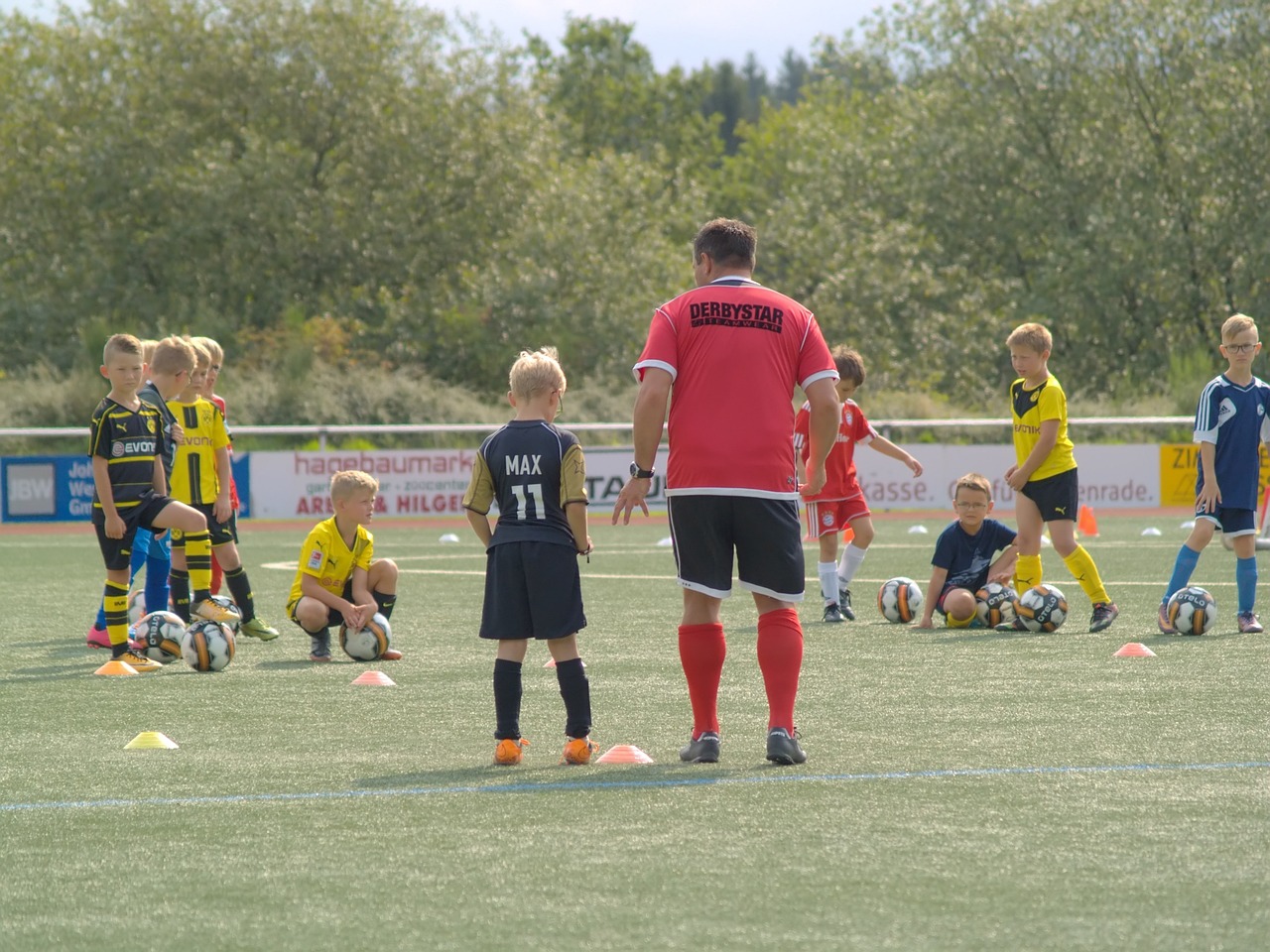
Coaches are crucial in embodying and promoting fair play principles within their teams. Their influence extends beyond skill development to shaping the overall sporting ethos. By prioritizing fair play, coaches assert that ethical conduct impacts athletes’ overall development. This environment nurtures healthy competition, allowing for personal and group growth that is in line with fair play principles. By stressing fair play during training, coaches lay the groundwork for teamwork that flourishes based on mutual understanding and support. They can conduct workshops or discussions that focus on what fair play means and how it enhances cooperation amongst teammates. Recognizing and addressing specific instances of unsportsmanlike behavior reinforces the standards expected both on and off the field. Such proactive measures create a disciplined environment that acknowledges achievement within ethical boundaries. Consequently, athletes learn and appreciate the essence of collaboration in achieving success where everyone benefits. Ultimately, it empowers players to find both fulfillment in individual performance and pride in group achievements, reinforcing a culture of ethical sportsmanship, one that simultaneously fosters both personal and collective growth.
Furthermore, the rewards of fair play extend significantly to the spectators and broader community surrounding sports events. The competitive spirit infused with fair play creates an appealing atmosphere where everyone enjoys the event. As teams exhibit camaraderie and mutual respect, the audience witnesses a genuine love for the sport. This holistic experience emphasizes that games foster cooperation and understanding, allowing spectators to appreciate sportsmanship at its core. It encourages communities to rally behind teams, promoting local pride and a sense of belonging. Fair play thus serves as a bridge, fostering connections between diverse groups through shared values. The model of teamwork and cooperation organically extends to fans, inspiring them to embrace these ideals in their daily lives. The ripple effect of fair play is remarkable; it promotes values of respect that resonate deeply beyond the confines of the sporting arena. By creating a positive culture, fair play nurtures an environment where communities thrive in unison, embodying respect and collaboration in various walks of life. This spirit fosters ongoing support and loyalty among fans, celebrating unity and diversity.
Conclusion: The Lasting Impact of Fair Play
In conclusion, fair play fundamentally enhances teamwork and cooperation within athletics and beyond. By emphasizing ethical practices, athletes develop strong relationships rooted in trust and respect. This environment fosters skills and perspectives that extend into everyday life, promoting essential qualities that breed success. Coaches play a significant role in this movement, as their guidance instills values that advocate for fair competition. Sporting events enriched with fair play ensure a positive experience for everyone involved – athletes, coaches, and spectators alike. As communities come together to support their teams, they create bonds that transcend competition. It is critical to embrace these principles to cultivate a culture of cooperation and ethical engagement in sports. Ultimately, fair play nurtures an environment where all participants can flourish, thrive, and enjoy the process of working together towards a common goal. The lessons of fair play, teamwork, and ethical conduct shape a brighter future for all athletes, encouraging them to carry these values beyond the sporting realm and into their everyday interactions. A commitment to fair play bodes well for promoting a united society grounded in respect and cooperation.
In addition to the physical aspects of sports, the concept of fair play also encompasses mental and emotional intelligence. Athletes must learn to handle both victory and defeat gracefully, recognizing the importance of humility and resilience. Fair play encourages individuals to support their teammates even in challenging circumstances, fostering a culture of empathy. When players engage with one another positively, morale improves, and a sense of togetherness prevails. Thus, it highlights the importance of emotional bonding that underlines teamwork effectiveness. Athletes become more adept at recognizing their teammates’ emotions and responding accordingly, which enhances their interpersonal skills. The sense of belonging established through fair play contributes significantly to an athlete’s psychological well-being. As teams learn to operate harmoniously, they prioritize collaborative success over personal glory. A healthy competitive spirit can exist within a fair play culture, motivating athletes to perform at their best. Additionally, the systematic application of fair play principles builds character, developing individuals into well-rounded personalities capable of contributing positively to society. Coaches, schools, and organizations are essential in promoting these ideas, ensuring the legacy of fair play lives on in sports and life.