
How to Choose the Right Ice Hockey Skates
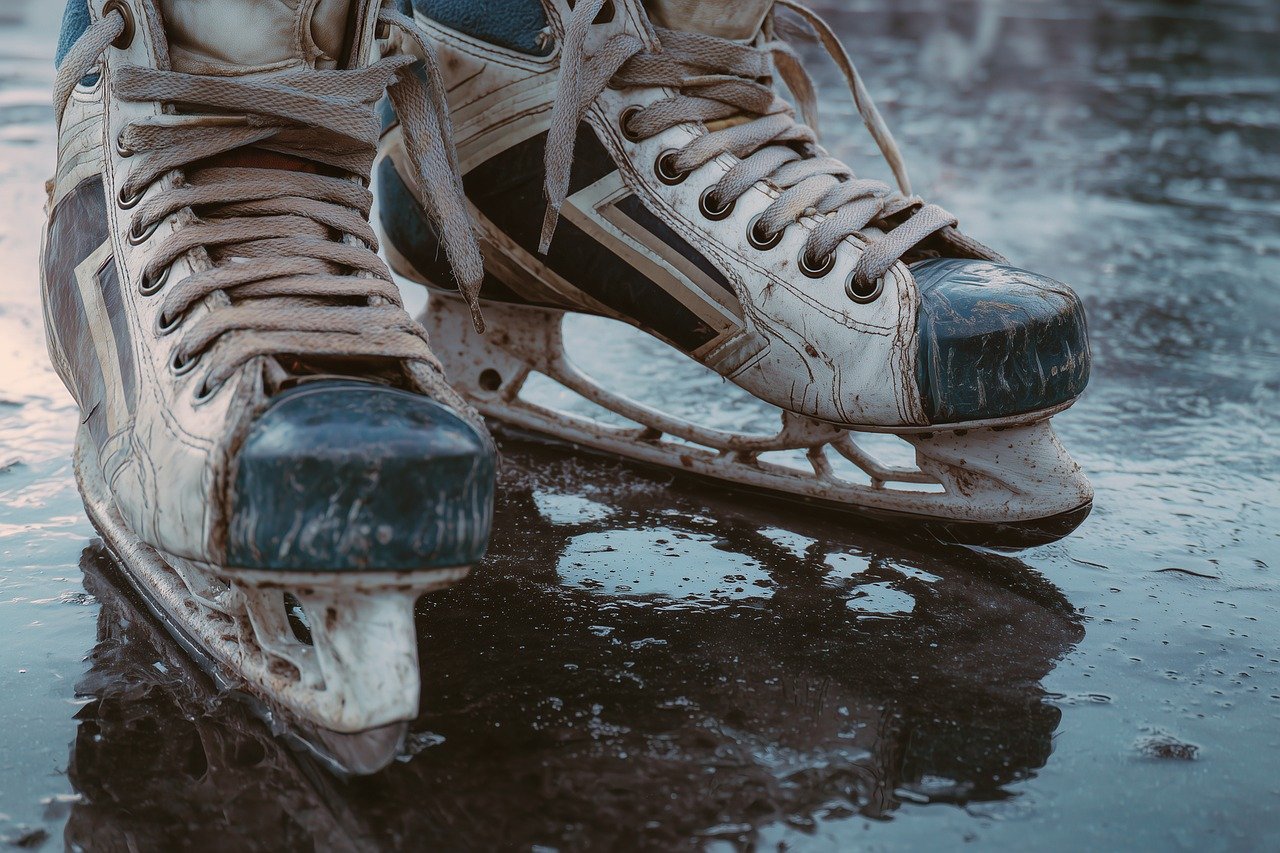
Choosing the right ice hockey skates is essential for enhancing your performance on the ice. First, you must identify your skill level. Beginner skaters should prioritize comfort and fit, while advanced players may focus on features that enhance speed and control. Ice hockey skates are designed to fit snugly, so ensure you try them on with the socks you plan to wear. Different brands and models have distinct sizing and padding systems, hence, do not hesitate to consult a fitting guide online. A proper fit should include a snug heel, a snug toe area, and minimal space around the width of your foot. The boot material is also crucial. Hard boots provide better support, while softer materials allow for easier mobility. Additionally, choose skates that offer a good level of ankle support for stability during play. Some feature plastic reinforcements or other technologies to provide that support. Lastly, remember to budget for regular maintenance, including sharpening and heat molding, to maximize comfort and performance during your games. Proper skates can significantly impact your confidence and performance on the ice.
Next, consider the blade quality and type. The blade construction affects turning ability, grip, and speed. Most blades can be categorized as stainless steel or carbon steel, with stainless steel offering better rust resistance and durability. Focus on the blade’s profile, as it determines how the skate interacts with the ice. A higher hollow allows for sharper turns, while a shallower hollow provides better speed and glide. You might want to test various blade types when trying skates. The hockey skate’s weight is another essential factor; lighter skates enhance maneuverability but may sacrifice some durability. Also, take note of the lacing system. Standard laces are common, but some brands offer speed lacing systems that expedite on-ice transitions. It is advisable to try on different skate models in-store, as the nuances in construction can only be appreciated with a hands-on approach. Once you find a pair you like, wear them for a while in the store to ensure comfort over time. This initial fitting experience can prevent regret and discomfort during your actual game times, leading to improved performance and enjoyment of the game.
Understanding Quality and Price Range
Understanding the quality and price range of ice hockey skates is crucial to ensure you get the best value for your investment. Entry-level skates are usually more affordable; however, they may not include advanced features such as enhanced support or premium materials. Mid-range skates strike a balance between performance and cost, making them suitable for intermediate players. Premium skates often incorporate advanced technologies that enhance comfort and speed, but they come with a higher price tag. Examine the warranty and exchange policy as well, since reputable brands often stand by their products. These aspects can indicate the manufacturer’s confidence in their skates. Before purchasing, check customer reviews and expert opinions online to gather insights on different models and brands. Look for indicators of durability and performance, including user experiences with similar skill levels. Consulting knowledgeable staff at a local pro shop can also provide additional insights. Prices can vary greatly based on materials, construction, and brand reputation, so make sure to explore multiple options before investing. Understanding what you need will help streamline your shopping experience.
Another crucial aspect of skate selection is maintenance. Proper maintenance extends the life of your skates and preserves performance. Start by routinely sharpening the blades; dull blades impede your ability to maneuver on the ice. Skates should be sharpened after every five to ten hours of use, depending on your playing style. After practice or games, make sure to dry the inside of the skates thoroughly to prevent moisture buildup, which could lead to unpleasant odors and deterioration of materials. Consider using drying solutions, including boot dryers or breathable bags, to influence air circulation and evaporation. Regularly inspecting for wear and tear is essential. Check for any loose screws or damaged eyelets, which could affect performance. Pay attention to the boot’s integrity as well, especially if you notice any cracks. A good fit and condition keep you safe and promote confidence during play. Clean the exterior regularly with a damp cloth to remove any dirt or grime. If you invest in a quality pair and maintain them diligently, your skates will serve you well throughout the season, allowing you to focus on improving your game.
Custom Fitting and Personalization
Custom fitting and personalization options can significantly influence your overall comfort on the ice. Many high-end brands offer heat-moldable skates, which allow the material to conform to the exact shape of your foot. This process provides a unique, tailored fit, enhancing both comfort and performance. Seek advice on getting your skates molded properly, as professional fitting technicians can usually perform this for you. If possible, look for brands that provide various customization options, like blade types, patterns, and interior materials. A skate designed with your unique needs in mind can enhance your playing experience. Keep in mind that personal preferences can dictate specific features, such as boot stiffness, weight, or support level. Always remember to prioritize essentials first, and then consider additional fun features to customize your skates. Some players opt for additional insoles for added comfort; experiment to discover what works best for you. This attention to detail can elevate your skating experience significantly. Taking these individual aspects into consideration, you can ensure your equipment meets your playing style and personal preference.
Once you have selected your skates, fitting them with appropriate socks is crucial for both performance and comfort. Use specialized hockey socks that offer cushioning, moisture-wicking properties, and a snug fit. Avoid cotton socks, as they can retain moisture and cause discomfort. Instead, look for socks made from synthetic materials or merino wool; they help keep your feet dry. The length of your socks can also have a significant impact; ensure they cover your shin guards adequately to prevent chafing or discomfort during play. Additionally, consider your lace-tension strategy; the way you tighten your laces can affect how your skates feel while skating. Lacing them too tightly can lead to numbness, while too loose can result in a loss of control. Spend time practicing your lacing technique until you find the balance that works best. A well-rounded approach encompassing skates, socks, and lacing can greatly enhance your overall experience on the ice. Implementing these tips will help you create a competitive advantage, allowing you to focus on gameplay rather than discomfort.
Finally, combining all these elements creates a pipeline to choose the right ice hockey skates effectively. From understanding your skill level to appropriate maintenance, each step significantly contributes to your success on the ice. Be sure to prioritize comfort, durability, and support when selecting skates. Remember to try on a range of brands and models, collecting input from knowledgeable staff and fellow players, to establish the best fit for you. Keeping an open mind about customization and personal preferences can also enhance comfort and performance. Regular maintenance routines, combined with proper fitting techniques, help ensure a smooth, enjoyable experience on the ice. Ultimately, the right skates make playing ice hockey more enjoyable and can help significantly improve your skills over time. Invest wisely, regardless of whether you’re a beginner or an advanced player. Taking your time in this decision will pay off with enhanced performance and enjoyment in the game. With confidence and the right equipment, you will be ready to take your ice hockey game to the next level this season.