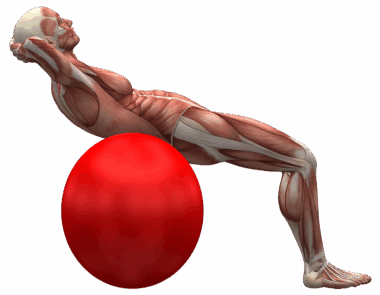

Assessing Functional Movement with Core Stability Tests
Core training is essential for improving functional performance in various activities. Athletes depend on core stability to enhance posture, prevent injuries, and support overall body mechanics. Functional movements arise from multiple muscle groups working together, providing stability, strength, and coordination. Assessing these movements through specific tests helps identify weaknesses in core stability that may affect performance. The primary focus should be on exercises that engage the core muscles while evaluating balance and movement efficiency. Proper assessment not only identifies existing motor patterns but also guides training regimens tailored to individual needs. Tests such as the bridging exercise, plank hold, and side planks are great for measuring core strength. Regular assessments ensure that athletes remain on the right track toward optimal performance, enhancing their ability to execute movements confidently. As core strength develops, athletes can expect better functional movement and task execution. Building a stable core creates an effective base for athletic performance. Therefore, integrating these assessments into regular training routines will yield significant long-term benefits, both physically and mentally, promoting a healthier and more active lifestyle.
Performance in sports often highlights the need for efficient core strength. The importance of stability in the trunk during dynamic movements cannot be understated. Functional tests serve as critical benchmarks for identifying core stability deficits. Various protocols exist to evaluate core strength and functional movement. Implementing exercises such as the overhead squat or single-leg balance test can determine weaknesses related to core stability. The overhead squat is particularly useful in illustrating how well an athlete maintains an upright trunk while navigating lower body movements. Stability during these tasks establishes a strong foundation for athletic performance. Similarly, engaging in a single-leg stance can illuminate balance issues directly linked to core functionality. It’s essential to incorporate these tests into a well-rounded training program. Athletes can adapt their routines based on evaluations, ensuring they build strength where it’s necessary. Furthermore, integrating core training into a dynamic warm-up enhances overall athletic capabilities. Acquiring baseline data from these tests allows for progress tracking over time. Regular assessment intervals support both accountability and motivation.
Core Stability Tests and Their Benefits
Incorporating core stability tests into athletic training brings multiple benefits. These tests don’t just assess strength; they also provide insight into how core stability influences overall movement quality. One significant advantage is identifying compensatory patterns which could lead to future injuries. Athletes who clearly understand their weaknesses can work specifically on improving those areas, effectively minimizing injury risk. Additionally, these assessments enhance proprioception, the body’s ability to sense its position in space. By focusing on balance and coordination, athletes develop a greater awareness of their physical capabilities. Functional tests can lead to increased confidence, enabling athletes to push their physical limits. Athletes who exhibit improved core stability often encounter better success in performance metrics. Enhanced strength and endurance translate into improved execution of sports-specific skills, making core testing invaluable. Moreover, these tests can be modified to suit different sports disciplines. Whether sprinting, jumping, or changing direction, the core plays a pivotal role in each movement. Thus, establishing a solid foundation through thorough assessment can unlock each athlete’s potential. Ultimately, core stability tests offer pathways to achieving higher performance levels.
Effective measurement of core strength is integral for optimizing training outcomes. Commonly used evaluations like the McGill’s torso flexor endurance test serve as reliable indicators of core endurance and stability. Transforming raw data from these assessments into actionable training strategies leads to enhanced performance. Athletes should adopt an integrated approach encompassing both strength training and functional movement training. Implementing a comprehensive regime targeting core stability can lead to remarkable improvements in athleticism. Moreover, practitioners should emphasize the connection between core strength and dynamic athletic activities. Each assessment provides insightful data, guiding athletes and coaches as they refine their training programs. Moving beyond traditional core workouts opens avenues for innovative methodologies, promoting functional hypertrophy inside the core. Integrating assessments into regular practice creates opportunities for skill transfer across various movements. Athletes should consistently monitor progress through repeat assessments. Tracking improvements not only boosts motivation but also enables athletes to focus on specific goals. Tailored workouts based on assessment results create a personalized blueprint for success. Therefore, consistent evaluation remains a cornerstone of effective core training regimes, directly influencing overall athletic progress.
Implementing Core Training in Routines
Implementing core training into an athlete’s routine requires strategic planning and progressive overload principles. Comprehensive core routines should commence with foundational stability and gradually evolve into more complex movements. A structured approach in exercises helps ensure a seamless transition from basic to advanced training. Incorporating rotary, anti-rotary, and lateral movements in core training cultivates functional strength across diverse ranges of motion. For instance, adding medicine ball throws or rotational cable exercises encourages dynamic power. Creating a fluid mix of different exercise modalities contributes to well-rounded development. Subsequently, ensuring adequate recovery must also factor into training regimens. Athletes should not underestimate the importance of recovery, which allows for muscle repair and growth. The frequency of core workouts can be adjusted based on training demands, whether it be skill training or competition preparation. Balancing core stability work and sport-specific workouts fosters adaptability. Including core stability sessions within the overall training schedule ensures comprehensive physical conditioning. Identifying optimal times for assessments, paired with worked-in recovery periods, promises profound gains in athletic performance and long-term injury prevention.
Nutrition plays a critical role in supporting core stability outcomes. Proper fueling of the body, particularly with macronutrients, will enhance strength and promote recovery during intense training cycles. Protein-rich foods, carbohydrates, and healthy fats provide the necessary building blocks for muscle growth and energy production. Athletes should prioritize balanced meals pre-and post-training, influencing overall performance and recovery time. Hydration also contributes significantly to physical function; athletes must stay adequately hydrated as this directly impacts core function. Insufficient hydration can lead to cramping and impair performance. Furthermore, emphasizing nutrient timing can enhance energy levels and recovery rates when integrated into core training. Athletes should develop awareness of the relationship between diet and performance, adjusting their intake as their training demands change. Incorporating lean proteins, whole grains, fruits, and vegetables optimizes eating plans conducive to maintaining core stability. Therefore, understanding the ways nutrition complements an athlete’s core training routine helps in achieving optimal results. Ultimately, adopting a holistic approach intertwining nutrition, training, and recovery will yield considerable improvements.
Conclusion and Future Directions
In conclusion, assessing functional movement through core stability tests paves the way for higher athletic performance. By focusing on core strength, athletes can improve not only their stability but also their performance in various sports. Continuous assessment and reassessment ensure tailored training approaches address specific needs. Future direction in this field may involve more advanced technology in measuring biomechanics and efficiency. As sports science evolves, incorporating motion capture technology could enhance understanding of how core stability impacts functional movements. Additionally, focusing on integrating mental training with physical assessments can lead to superior competitive outcomes. Athletes who excel in mastering core stability derive benefits extending beyond sports performance. Effective core strength translates into various everyday activities, promoting a healthier lifestyle. Thus, holistic development through regular assessments fosters a greater passion for fitness. Athletes should adopt a mindset prioritizing both assessment and growth, recognizing the long-term advantages of a stable core. Investing time and effort into core training will yield sustained performance improvements. Ultimately, core stability assessments are vital for athletes who wish to unlock their full potential and maintain resilience in their performance pursuits.
As training progresses, incorporating new techniques and strategies keeps core training engaging. Athletes should routinely experiment with innovative exercises to maintain motivation. Uncovering new methods within established core training principles deepens understanding and allows for growth. Including agility drills can also support improved functional movement, showcasing the potential to enhance overall performance. Athletes must remain adaptable and willing to shift training patterns as needed. Collaboration with coaches and trainers facilitates knowledge exchange, encouraging optimal development. Future assessments should focus not only on core stability but also promote overall athletic performance by incorporating comprehensive testing. Therefore, athletes should remain vigilant in their journey towards attaining peak performance. Adopting a tailored, reflective approach paves the way for continual progress, both in core strength and functional movement assessment.