
Balance Training Equipment Ideas for Youth Fitness Centers
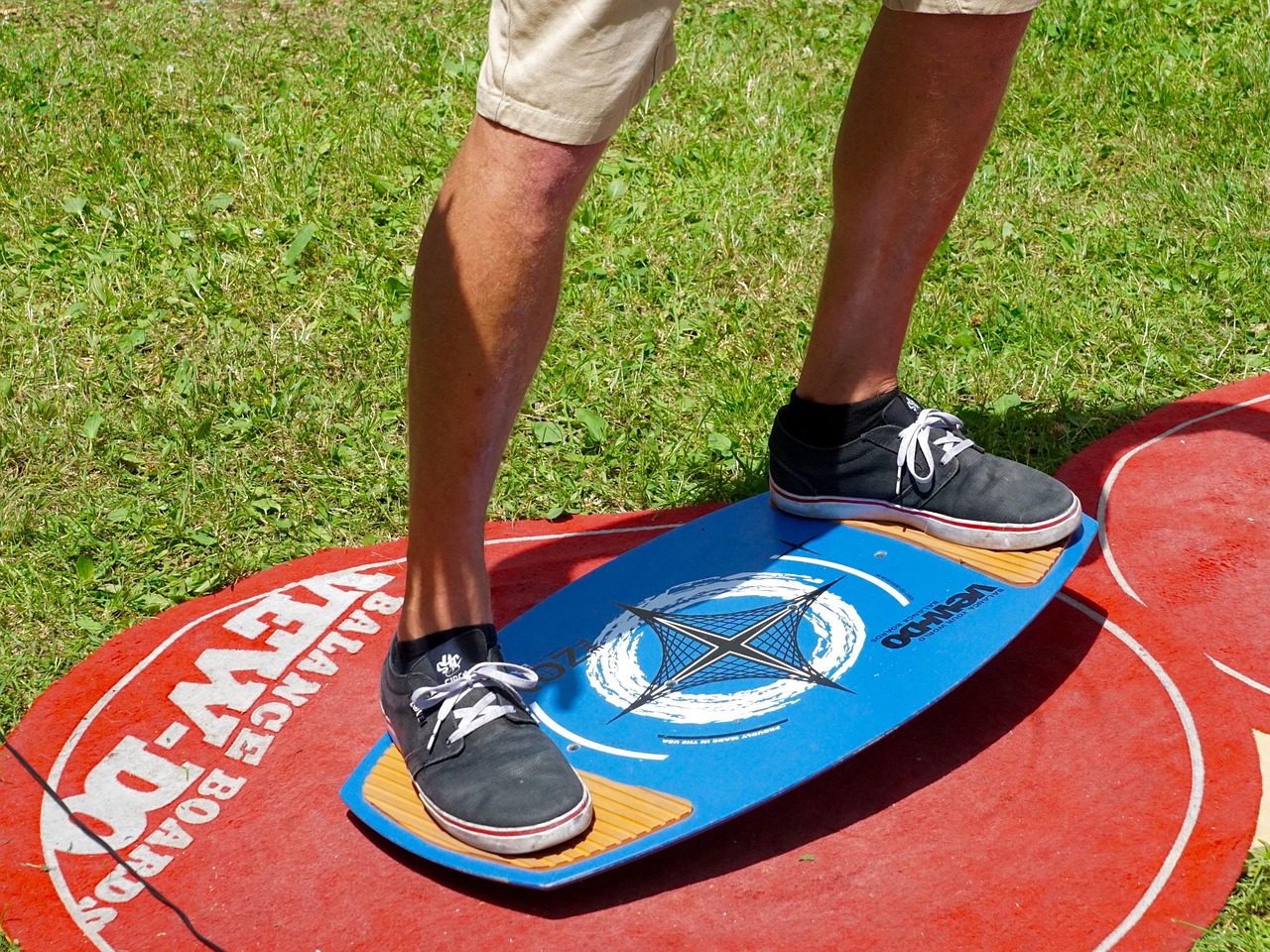
In youth fitness centers, establishing a strong foundation in balance and coordination is vital. Utilizing inventive balance training equipment can engage children and promote physical health effectively. Some popular options include balance boards, wobble boards, and balance beams that can stimulate young users’ interest. Implementing these tools aids in developing motor skills and enhancing stability. Moreover, integrating variety is critical to maintaining excitement, encouraging regular participation among youth. For instance, inflatable balance balls can be used for playful activities, while agility ladders may be integrated for fun, competitive exercises. When selecting equipment, it’s essential to consider the specific needs of various age groups, as well as safety standards to protect young participants during activities. Gradually introducing more complex equipment can foster improvement in coordination over time. Remember that diverse activities, such as obstacle courses featuring balance challenges, can turn exercises into exciting games that children will enjoy. Therefore, diversify your equipment offerings to keep engagement high, motivate participation, and maximize the benefits of balance training programs for youth fitness in your center.
Ensuring that balance training equipment is both safe and fun is crucial for youth engagement. Parents and coaches should feel confident regarding the safety of tools utilized in training sessions. Quality equipment that meets safety standards is essential, particularly when children are involved. Foam balance beams, for instance, provide a safe option for younger kids to practice balance without the harsh features of traditional wooden beams. Other options like soft landing mats can prevent injuries if falls occur. Adding a variety of levels to your training program can escalate motivation. For older youth, incorporating fitness aides like stability balls or balance discs can pose a challenge while teaching essential coordination skills. It may also encourage teamwork as children help one another navigate balance exercises. Furthermore, incorporating educational components, like teaching proper posture and alignment, can amplify the benefits of coordination training. By delivering creative training methods and diverse equipment options, youth fitness centers can foster a supportive environment that promotes essential physical skills while cultivating a love for fitness among young patrons.
Creative Uses for Balance Equipment
Innovative utilization of balance training equipment can significantly enhance the experience in youth fitness centers. Think outside the box when introducing various exercises! For example, organizing relay races incorporating balance beams and wobble boards can make training sessions enjoyable and competitive. Utilize teams to push engagement and promote social interaction, which is essential for youth. Moreover, creating interactive balance obstacle courses can challenge children while ensuring they have fun. This provides kids with an opportunity to develop coordination while improving timing and spatial awareness. Additionally, consider hosting guided classes focusing on balance skills using equipment, like stability balls for exercises that also strengthen core muscles. By forging collaboration and creativity within training sessions, youth fitness centers can bolster skill-building while maintaining children’s interest and excitement in physical activities. It’s important to continuously evolve your programming by seeking feedback from participants on what they’d like to see. This not only encourages retention but ensures that balance training remains vital for youth fitness centers as they cater to all skill levels and interests.
Another creative approach involves incorporating technology into balance training practices. Fitness centers can explore apps and games designed to enhance balance and coordination while offering unbeatable fun. Combining physical activity with technology appeals to a digitally-savvy youth audience while simultaneously encouraging them to engage in active play. Moreover, centers can organize tech-based challenges utilizing balance equipment alongside interactive media, merging fitness with entertainment. In addition, gamifying balance training inspires competition, which can motivate improvement. Creating challenges in which participants score points or achieve rewards based on their progress can foster added enthusiasm. Setting up friendly competitions can give children an added incentive to improve their balance and coordination abilities further. Additionally, consider hosting periodic events themed around mastery in balance, incorporating various equipment. These initiatives not only elevate interest but significantly contribute to overall wellness. Tracking improvements can also promote accountability and growth in individual fitness journeys. With a wide range of methods to innovate balance training, youth fitness centers can create bold and interactive environments that set children up for success.
Collaboration with Schools
Collaboration between youth fitness centers and local schools can amplify the benefits of balance training. Schools often seek programs that align with physical education curricula, which makes fitness centers an excellent partner for introducing new balance activities. By collaborating, both institutions can share resources, ideas, and expertise that enhance program offerings. For instance, centers can provide specialized balance fitness workshops for students, helping them develop critical skills outside of the standard curriculum. It promotes student interest in fitness while showcasing new equipment they can use in their personal training journeys. Schools may also help advocate for participation, as they demonstrate the positive outcomes associated with active lifestyles. For example, incorporating balance training programs with traditional physical education allows students to develop fundamental movement skills in a fun way. Moreover, presenting assessments measuring improvement in balance skills fosters accountability within students. Local community events can make families aware of youth fitness opportunities while motivating children to engage in healthy activities. Honing in on partnerships can cement the importance of physical fitness for children early. Making them part of your balanced training initiatives can pave the way for lifelong enthusiasts.
When planning a balance training curriculum, it’s crucial to incorporate assessments for measuring progress. Proper evaluation can boost motivation by allowing youth to see their development over time. Designing personal fitness logs or utilizing digital platforms to track achievements can significantly enhance accountability. Assessments can be as simple as basic balance tests, such as standing on one foot or executing specific exercises on balance boards. Another approach includes organizing periodic assessments that allow for team or individual challenges, encouraging a friendly competitive spirit. Moreover, inviting parents to participate in showcases or events encourages family involvement in children’s fitness goals. Engaging parents fosters a supportive network that can enhance a child’s commitment to fitness. Presenting accomplishments through performance showcase events highlights the importance of balance training while inspiring other kids. Feedback from these events can guide adjustments that your center can make for better outcomes. Ultimately, nurturing young participants’ physical development while encouraging family engagement amplifies the importance of fitness. These assessments create a supportive environment where both centers and families can celebrate progress effectively, setting young people up for healthy futures.
The Importance of Nutrition
Beyond balance training equipment and activities, nutrition plays a pivotal role in youth fitness. Educating children about healthy eating habits can enhance their performance and physical capabilities. Encouraging balanced meals rich in vitamins, minerals, and lean proteins supports optimal growth and development essential for active lifestyles. By integrating nutrition education into fitness programs, youth fitness centers can cultivate lifelong healthy behaviors. Collaborate with nutritionists to host workshops that tie in with balance training sessions, allowing kids to learn about the relationship between food and fitness. Cooking classes can also be an engaging method for nourishing young bodies. By providing practical methods to practice healthy habits, children can better understand proper nutrition’s importance in their fitness journey. Offering parents resources and nutritional meal plans can improve family wellbeing and encourage them to make healthier choices together. Creating community gardens or projects centered around local food sources can also foster conversations on nutritious eating. Investing in nutritional education alongside balance training can set the stage for enduring health habits vital for youth. By educating them, they learn to appreciate their bodies and maintain an active lifestyle throughout their lives.
Balance training equips young individuals with essential skills they can carry throughout their lives. Investing in effective programs using engaging equipment facilitates physical literacy and overall health. Therefore, it’s important to recognize that effective balance training extends beyond specific exercises. By emphasizing the inclusion of diverse activities, interactive games, and innovative techniques, youth fitness centers can create balanced programs that inspire interest at a young age. From collaborating with schools to integrating nutrition education, the focus should be on developing well-rounded individuals prepared for future challenges. When children actively engage in balance activities while learning about health and fitness, they are more likely to carry those habits into adulthood. Crafting a supportive atmosphere where learning happens through play maximizes engagement and interest. Ultimately, it’s the responsibility of youth fitness centers to promote growth across various developmental arenas that support a healthy lifestyle. By continually evolving programs, incorporating technology, and maintaining variety, fitness centers can offer enriching experiences that motivate kids. As they develop coordination and stability skills, these practices empower youth fitness centers to cultivate a culture of health, well-being, and lifelong joy.