
Hydration Tips to Prevent Muscle Stiffness and Improve Range of Motion
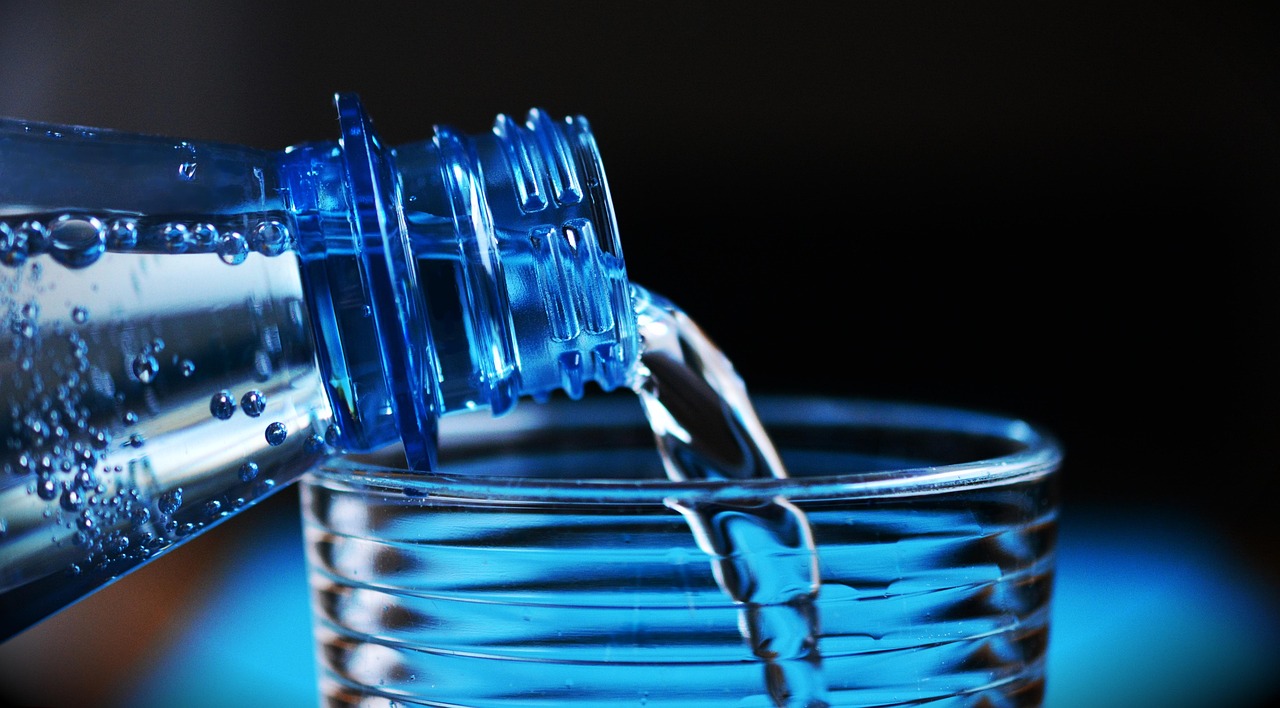
Staying hydrated plays a crucial role in preventing muscle stiffness and enhancing range of motion during physical activities. When you’re well-hydrated, your muscles retain elasticity, which reduces the risk of strains and injuries. Dehydration can lead to muscle cramping and discomfort, negatively impacting your performance. It’s essential to understand that type of fluids consumed matters. Water is excellent, but additionally, electrolyte-infused beverages can maintain fluid balance. On average, adults should aim to drink at least 2 to 3 liters of water daily. However, individual needs vary based on factors like activity level and climate. Consuming organic fruits like watermelon or oranges can also contribute to hydration levels. They not only offer hydration but essential vitamins and nutrients too. The timing of fluid intake is crucial; sip water steadily throughout the day rather than consuming excessive amounts in one go. Being proactive about hydration ensures your muscles remain supple and can recover effectively after exercise. This practice is particularly important for athletes who need optimal performance and muscle recovery. Therefore, prioritize hydration for better flexibility and mobility in your workouts and daily life.
Another key factor in muscle elasticity is a balanced intake of electrolytes such as sodium, potassium, and magnesium. These minerals assist in muscle contractions and help reduce cramps. Consuming sports drinks rich in electrolytes can significantly help during intense workouts, especially when lost through sweat. Foods such as bananas, sweet potatoes, and spinach can naturally replenish electrolytes, adding variety to your hydration strategy. Maintaining hydration is about more than just water; it involves a holistic approach that includes nutrients for recovery after exercise. If you are someone who sweats heavily, consider increasing your electrolyte intake accordingly. Multi-source hydration can mean blistering sessions in the gym lead to less muscle fatigue and more efficient recovery times. Additionally, inadequate hydration can cause your muscles to feel stiff and tight, which hinders flexibility. Thus, focusing on both water and electrolytes is essential for any individual looking to improve their range of motion. Not only does it promote overall muscle health, but it also can help enhance performance and endurance throughout physical activities.
The Importance of Timing with Hydration
Timing is essential when it comes to hydration. Many athletes underestimate the value of consistent fluid intake before, during, and after exercise. It’s not only about how much you drink but also when you drink. Before working out, ensure you drink adequate fluids; this preparation allows your body to perform optimally. It’s advisable to start hydrating at least two hours before exercise, which helps to prime muscles. During exercise, especially prolonged sessions, taking sips of water or electrolyte drinks can sustain performance and maintain muscle elasticity. Post-exercise hydration is equally important for recovery, as replenishing lost fluids helps restore physiological balance. The first hour post-exercise is ideal for consuming fluids, rewarding your body with the needed elements for recovery. Incorporating fluid reminders, such as apps or scheduled breaks during your training, can encourage sustainable hydration practices. This helps to create an automatic habit of drinking enough water. By managing your hydration in this structured manner, you’ll ensure that your muscles maintain elasticity, reduce stiffness, and improve overall range of motion during physical activities.
Incorporating herbal teas and infused waters is a delightful way to enhance hydration while enjoying flavors. Choices like peppermint, ginger, or chamomile offer unique advantages that can benefit muscle elasticity and recovery. They are often rich in antioxidants and promote relaxation, which can aid stiffness reduction. Infused water with slices of cucumber, lemon, or berries not only tastes refreshing but also provides additional nutrients. This makes hydration enjoyable rather than a chore. You can sip these beverages before and after workouts to support your hydration routine more effectively. It’s important to recognize herbal teas and infused waters can also supplement fluid intake. Though caffeinated beverages should be consumed with caution, moderate amounts can be part of hydration, providing additional energy too. Always consider how much caffeine you consume, as too much can lead to dehydration. A good rule of thumb is to balance caffeine intake with additional water consumption. Hence, flavored options could elevate your hydration game while keeping muscle stiffness and recovery time in check, leading to improved flexibility during workouts.
Hydration and Nutrition Synergy
Understanding the synergy between hydration and nutrition is significant for maximizing muscle elasticity benefits. Consuming adequate protein, healthy fats, and fibers along with your hydration choices define overall muscle health. Focus on balanced meals that incorporate fruits, vegetables, whole grains, and lean proteins. As they provide essential vitamins and minerals that contribute to muscle function and recovery, it’s crucial not to overlook this aspect. Minerals like calcium and vitamin D found in dairy products promote muscle health and strength, directly complementing your hydration efforts. Overly restrictive diets can lead to nutrient deficiencies, significantly affecting hydration efficiency. Thus, ensuring a diverse and balanced diet supports hydration benefits, allowing your muscles to perform their best. Carbohydrates play a vital energy role and help replenish glycogen stores post-workout, assisting hydration recovery. To stimulate recovery, consider a post-workout smoothie made with yogurt, fruits, and spinach to optimize hydration while supplying essential nutrients. This nutrient-rich approach ensures that you remain hydrated, enhance muscle elasticity, and reduce stiffness effectively, leading to improved athletic performance.
To achieve optimal hydration that fosters muscle elasticity, monitoring urine color serves as an excellent method. Pale yellow indicates proper hydration, while dark yellow or amber suggests dehydration. This simple strategy provides an immediate visual cue about your hydration status. Regularly assessing your urine can help you make informed choices on fluid intake to ensure muscle stiffness is minimized. Aim to be proactive rather than reactive about hydration; don’t wait until you feel thirsty to drink. Crafting a personalized hydration plan depending on your activity level and body type is essential. Consider carrying a reusable water bottle tailored to encourage regular sipping. This helps to maintain fluid balance throughout the day, positively impacting muscle performance and overall health. Establish hydration habits at work or during workouts, prompting you to drink routinely. Engage yourself in tracking fluid intake and recognizing personal patterns to identify when hydration needs to be accented. By adopting these mindful practices, you’ll enhance muscle elasticity and experience fewer restrictions, paving the way for better flexibility and mobility.
Conclusion: Prioritize Hydration for Motion
In conclusion, prioritizing hydration remains a cornerstone of preventing muscle stiffness and enhancing flexibility. When well-hydrated, your muscles operate more efficiently, allowing for sustained movement and performance in any activity. By implementing the hydration strategies discussed, including timing and nutritional synergy, you pave the way for improved mobility. Incorporating fluids into your daily routine, while monitoring hydration levels, enables you to make adjustments, promoting optimal muscle elasticity. Pay attention to workouts, ensuring adequate fluid intake before, during, and after exercises to enhance recovery. Embrace flavored hydration options as a way to enjoy fluid intake while achieving results. Explore various electrolyte sources through natural foods and beverages, enhancing your overall strategy. Likewise, the connection between hydration and nutrition is vital, emphasizing the need for a balanced diet rich in essential nutrients. This holistic approach will facilitate muscle elasticity and reduce discomfort. When you prioritize hydration appropriately, you will build a stable foundation for better flexibility and enhanced range of motion, ultimately leading to improved athletic performance and overall wellness.
Implementing these hydration tips daily will ensure you stay ahead in managing muscle stiffness while enhancing your overall mobility. Remember, consistency is key in developing a sustainable hydration routine that meets your body’s needs. As you adapt your habits, your performance and recovery will undoubtedly improve, making it easier to engage fully in physical activities. Your muscles will thank you, translating into less discomfort and more enjoyable experiences in daily life. By recognizing hydration’s importance, you’ll inspire yourself and others to promote healthy habits. Therefore, be proactive about your hydration strategy. Paying attention to your body’s signals and remaining well-informed about your needs will ultimately lead to improved outcomes. Embrace a lifestyle focused on self-care, enabling you to thrive physically and mentally. Thus, knowledge and practical steps in hydration will enhance the quality of your performance, mobility, and flexibility. You may discover that even small adjustments lead to significant benefits in your overall fitness journey. Prioritize hydration as part of your wellness regimen and empower yourself towards achieving your health and fitness goals for a life of mobility and joy.