
Sleep Monitoring and Its Impact on Athlete Performance
Sleep is a critical element influencing athletic performance. Many athletes underestimate the significance of sleep, which facilitates physical recovery, mental sharpness, and overall well-being. When athletes lack adequate sleep, numerous performance aspects may decline, including strength, stamina, and judgment. Sleep deprivation can lead to fatigue and decreased reaction times, hindering an athlete’s ability to perform effectively. Researchers have demonstrated that quality sleep aids muscle recovery, repair, and even weight management. Furthermore, it can enhance an athlete’s focus during training and competition. Monitoring sleep patterns allows coaches and trainers to develop tailored strategies. Strategies include proper sleep schedules, optimizing bedroom environments, and leveraging technology. Athletes can utilize devices like sleep trackers to gain precise insights into their sleeping habits. By regularly assessing these patterns, misconceptions about sleep needs can be addressed. Ultimately, higher sleep quality correlates with improved athletic execution. Therefore, sleep monitoring is not merely a health concern; it’s also a critical factor in achieving optimal athletic performance and should be prioritized in training regimens for sports professionals.
Monitoring sleep involves understanding the different stages it encompasses. Athletes typically go through cycles comprising light sleep, deep sleep, and REM sleep. Each stage serves specific purposes, such as recovery, memory consolidation, and emotional regulation. While deep sleep aids physical recovery, REM sleep plays a vital role in mental processes like problem-solving and creativity. To ensure adequate time in these stages, athletes can adopt regular sleep routines that encourage unbroken cycles. Research indicates that following a consistent sleep schedule leads to better categorized sleep. Besides, it can be beneficial to wind down before bedtime, limiting screen exposure and engaging in relaxation exercises. Nutritional habits prior to sleep can also affect quality, with heavy meals potentially disrupting restful sleep. The role of environments is equally crucial; creating a dark, cool, and quiet sleeping area enhances sleep quality. Coaches often support athletes in structuring their days to prioritize not just practice but recovery through sleep. Emphasizing this aspect informs athletes that sleep is a high-performance tool, necessitating respect and careful management for peak athletic achievements.
Benefits of Good Sleep on Athletic Performance
Various studies highlight significant benefits of quality sleep on athletic performance. One major advantage includes improved endurance, enabling athletes to sustain effort over extended periods. Enhanced strength and power are also observed, as sleep facilitates muscle recovery and energy repletion. Additionally, cognitive functions benefit from adequate sleep, as it promotes attentiveness and decision-making abilities essential during competitions. Distinctly, athletes report increased motivation levels tied to quality sleep. Good sleep hygiene also correlates with lower injury rates, as well-rested individuals often display greater body awareness and coordination. Furthermore, emotional health, a crucial aspect of athleticism, significantly improves through consistent sleep patterns. Those well-rested typically experience reduced anxiety and enhanced mood, directly impacting their competitiveness. Athletes with improved sleep quality report greater enjoyment in their sports activities, increasing discipline and practice frequency. As performance goals align with health objectives, integrating sleep strategies becomes essential. Utilizing sleep assessments, coaches may identify individual needs and adapt training accordingly. Thus, optimal sleep, monitored through various methods, is proven to be a foundational pillar of athletic success.
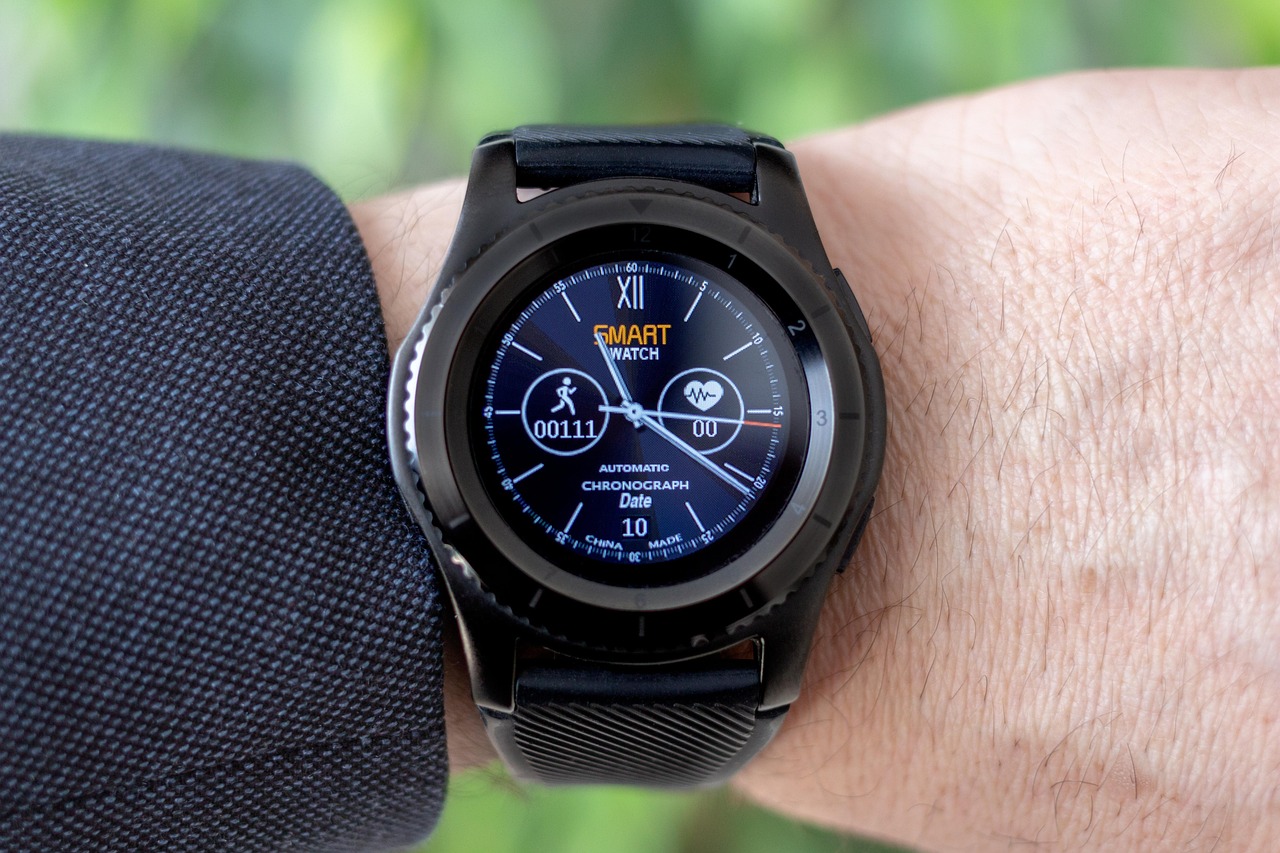
The role of technology in sleep monitoring is transformative in sports. Wearable devices can now accurately track sleep stages and duration, providing real-time data to athletes and trainers. These devices offer insights into not only how long one sleeps but also how well one sleeps. Data collected aids in identifying patterns, helping athletes to make informed decisions regarding their sleep habits. Some apps specialize in analyzing sleep quality, sending alerts when it’s time to sleep based on individual schedules. Importantly, visualizing patterns lends itself to making necessary adjustments, promoting environments conducive to rest. Coaches can access performance correlations with sleep quality using technological statistics, cementing the argument for sleep prioritization. Moreover, advanced sleep diagnostics may assist in determining underlying issues, such as sleep apnea or insomnia. These health concerns require attention to prevent long-term complications. Furthermore, integrating sleep science into training programs enhances overall athlete well-being. The future of athlete monitoring is indisputably leaning towards comprehensive sleep strategies, making it an essential dimension in budding advancements in sports medicine.
Challenges in Sleep Monitoring
Despite the numerous advantages of sleep monitoring for athletes, various challenges persist. Sleep disruptions may arise from travel, competition schedules, or anxiety about performance. Athletes who juggle multiple responsibilities may also find it difficult to prioritize sleep adequately. Cultural differences in sleep practices further complicate this issue; not all athletes come from backgrounds where sleep hygiene is emphasized. Technological devices, though beneficial, can sometimes be misleading due to inaccuracies in data reporting, leading to poor interpretation of sleep needs. For example, a device could misread movement during sleep stages, misguiding decisions. Also, there are financial implications for athletes who seek advanced sleep monitoring solutions; not everyone has access to premium devices or professional assistance. In high-pressure environments, promoting the importance of sleep often remains a challenge, as individuals may prioritize training over rest. Overcoming these challenges necessitates collaborative efforts between athletes, coaches, and trainers. Establishing a supportive culture around sleep is critical while ensuring athletes understand its impact on performance. Awareness programs and resources can further enhance sleep monitoring strategies within teams.
As athletes become increasingly aware of the significance of recovery, sleep monitoring continues to evolve. Increasing recognition of mental health aspects surrounding athletics has prompted dialogue on the importance of mental well-being, tied closely to quality sleep. Integrating mental health practice into daily routines helps athletes understand how their mindset affects both during training and performance. Effective stress management strategies, such as mindfulness meditation, may aid in promoting better sleep quality. With greater discussions around athlete wellness, conditioning programs can incorporate sleep strategies as comprehensive training elements. Athletic organizations are beginning to acknowledge that utilizing proper sleep techniques traditionally overlooked can build a healthier sporting community. Holistic approaches include integrating rest days and recovery protocols while also reflecting sleep education sectors related to sports science. Moreover, the inclusion of health professionals, such as sleep specialists, in athletic programs is gaining traction. Their expertise bridges knowledge gaps, ensuring that comprehensive sleep strategies are effectively implemented. This creates space for dynamic training expectations, resulting in more well-rounded athletes achieving peak performance through understanding sleep as vital to their regimen.
Future Outlook on Sleep Monitoring in Sports
Looking towards the future, sleep monitoring is anticipated to become an essential aspect of athlete training. As research continues to reveal the multifaceted benefits of sleep, more data becomes available for tailored training regimens. Advanced artificial intelligence may soon play a role in personalizing sleep recommendations based on individual needs efficiently. Furthermore, integrative wearable devices could track physiological responses to training in conjunction with sleep data, providing a comprehensive performance picture. This cross-analysis will enable more sensitive adjustments in training loads, leading to optimal recovery periods for athletes. Additionally, public and media interest in athletes’ mental wellness will likely amplify, reinforcing the emphasis on sleep as a cornerstone of healthy living. This shift may alter societal perceptions of sleep as a critical performance enhancer, rather than a mere necessity. Athletes of all levels will become advocates for sleep quality and be more vocal about its importance within training discussions. Lastly, fostering laboratory environments that prioritize sleep innovation can further encourage research that clubs, teams, and organizations can leverage to ensure long-term athlete health and success. Thus, sleep monitoring emerges as a central theme in the future of sports medicine.
The integration of sleep monitoring within athlete wellness programs is poised to redefine training paradigms. Portraying sleep not just as a physical necessity but a performance enhancer shifts mindsets around training approaches. Continual advancements in technology and sleep science encourage data-driven decisions about athletes’ rest. Athletes are likely to see enhanced performance metrics as focus shifts towards recovery strategies. Moreover, educational initiatives aimed at athletes, coaches, and trainers can enhance understanding of sleep. By fostering an environment valuing sleep, sports organizations can cultivate healthier athletes who perform better. As these developments unfold, the overarching goal remains clear: fostering an athletic culture that openly emphasizes sleep monitoring as essential to performance. Athletes informed about how sleep affects training can develop routines that prioritize well-being. Ultimately, implementing sleep protocols should not just be a recommendation; it must evolve into a fundamental element of athletic education. In doing so, future generations of athletes can expect to leverage sleep as a powerful ally in their sporting pursuits. This will continue to propel sports medicine forward, creating a generation of athletes that not only excel on the field but also maintain their health and longevity in their careers.