
Technology and Virtual Group Exercise Classes for Seniors
As technology becomes more integral to modern life, many seniors are embracing virtual group exercise classes. These classes offer a convenient option for older adults to engage in physical activity without needing to travel. Virtual platforms allow seniors to participate from the comfort of their homes, making exercise more accessible than ever. Additionally, many virtual classes can be tailored to accommodate various fitness levels. It’s not just about convenience; online classes can foster a sense of community and connection among participants. Seniors can interact with instructors and other members in real time, encouraging each other during classes. With the rise of video conferencing apps, seniors can attend classes led by experienced trainers worldwide. Many seniors quickly adapt to technology with the help of family members or community resources. Online platforms provide a variety of exercises, from yoga to strength training. This diversity keeps participants engaged and motivated. Classes scheduled at various times can fit into anyone’s lifestyle. Overall, technology and virtual group exercise classes are reshaping how seniors access fitness opportunities.
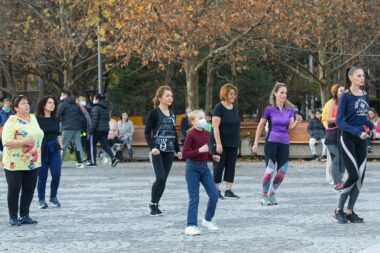
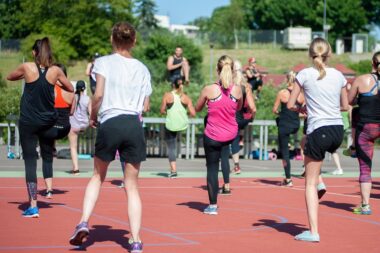
Group classes specifically designed for seniors are an excellent way to maintain health and fitness. These classes often focus on low-impact exercises that enable seniors to engage safely. Engaging in group exercises promotes social interaction, which is vital for mental and emotional health. Many seniors find motivation from participating in a group environment and sharing experiences with peers. Instructors are skilled at adapting exercises to meet the needs of older adults. Their expertise helps ensure a safe and effective workout experience, reducing the risk of injury. Many participants report feeling stronger and more stable after only a few weeks of joining such classes. Furthermore, group classes often lead to accountability; seniors may be more likely to attend if they know others will be there. Friendships formed in these settings enhance commitment, encouraging regular participation in physical activities. Some community centers offer in-person classes, while others may provide online options. This flexibility helps cater to those who prefer face-to-face interaction or those who thrive in a digital environment. Overall, participation in group classes promotes longevity and a healthier lifestyle.
One of the most significant advantages of virtual group exercise classes is their accessibility. Seniors often have mobility issues or health concerns that make traveling to a gym difficult. With online classes, they can exercise without the stress of transportation. Streaming options allow participants to engage from their living rooms, making it easier to incorporate fitness into daily routines. Additionally, these classes can be scheduled at any time, accommodating varying schedules. Many platforms also offer on-demand options, enabling seniors to choose when they want to exercise. This flexibility allows participants to work out at their own pace and comfort level. Moreover, instructors often record sessions so that seniors can revisit them later. Accessing recorded sessions offers the possibility to take the courses multiple times. This can enhance understanding and mastery of exercises, contributing to better overall fitness results. By providing options to join classes live or watch recordings, technology brings fitness to the forefront of senior lifestyle choices. Seniors can also explore a range of different classes, ensuring they remain both challenged and motivated in their exercise routines.
Building Community Through Technology
Virtual classes foster community among seniors, enhancing their motivation to participate in fitness activities. Socializing can be a challenge for many seniors who may feel isolated from peers. Online exercise classes help break down these barriers by connecting individuals in similar situations. Many platforms feature chat functions, which allow participants to communicate, ask questions, and share experiences during classes. This interaction strengthens the bond between participants, helping combat feelings of loneliness. Instructors often encourage interaction at the start and end of sessions, turning fitness into a group activity. Creating a supportive environment encourages seniors to stay committed to their fitness goals. Some platforms may also host events that celebrate members’ achievements, fostering a stronger sense of belonging. Additionally, many virtual platforms have community boards where participants can post about topics they enjoy. Information sharing on health tips, and local news can enrich the overall experience. These efforts contribute to building a supportive network that extends beyond fitness classes. Strong connections between seniors can enhance their quality of life, leading to increased well-being and longevity.
The wide variety of virtual group exercise options available ensures that there is something for every senior. From yoga and aerobic dances to low-impact strength training, online platforms cater to individual interests and fitness levels. Specialized classes focusing on balance and flexibility are particularly beneficial for older adults. This diversity promotes overall health and caters to different mobility and interest levels. Additionally, many platforms offer trial memberships, allowing seniors to explore various classes without long-term commitment. This opportunity provides them with the chance to find activities they genuinely enjoy. Furthermore, many instructors tailor routines to accommodate various fitness levels, ensuring everyone feels included. Classes can be live, guiding participants through exercises in real time, or pre-recorded for a more leisurely pace. On-demand classes allow seniors to practice at their convenience, leading to enhanced participation and enjoyment. As technology evolves, the variety available will likely expand further, offering even more engaging options for seniors. These developments will help keep seniors active and healthy, significantly affecting their overall quality of life.
In conclusion, embracing technology and virtual group exercise classes can significantly benefit seniors. These classes make fitness more accessible than ever, promoting physical health without the need for extensive travel. In addition to convenience, virtual classes foster community among participants, encouraging social connections and support. These elements combine to create a motivating atmosphere that encourages regular exercise. The variety of options available in virtual classes caters to individual interests and mobility levels, ensuring seniors can find activities that suit them. As technology continues to grow, it’s reasonable to expect that virtual classes will develop further, offering even more tailored experiences for seniors. These classes shorten the distance between individuals, creating new friendships and support networks. Ultimately, the combination of social engagement and physical activity has the potential to enhance the overall well-being of older adults. Encouraging participation in virtual exercise classes can contribute to a healthier future for seniors. They can maintain independence, enhance quality of life, and enjoy better health outcomes. Thus, incorporating technology into senior fitness can positively impact both physical fitness and emotional health.
‘
Examples of successful technology adoption among seniors include various organizations developing tailored programs. Many community fitness centers are now integrating digital platforms designed specifically for older adults. Additionally, local initiatives often provide assistance with technology training, enabling seniors to confidently engage with online classes. Organizations also create programs that promote the importance of maintaining physical activity among seniors through virtual avenues. The response from seniors has been overwhelmingly positive. Having experienced their fitness journeys online, many report feeling stronger, healthier, and more connected to those around them. The encouragement from fellow participants fosters commitment and that much-needed accountability. Many seniors are embracing personal training options as well, which facilitate personalized attention. Through video calls, trainers can provide customized workout plans, ensuring that everyone is safely and effectively pursuing their fitness goals. Moreover, trainers can offer real-time feedback, making adjustments as needed immediately. This tailored approach allows for a deeper connection between trainers and seniors, creating a supportive environment. In this way, technology plays a transformative role in ensuring that fitness remains a priority in the daily lives of older adults, showing that it’s never too late to begin a new fitness journey.