
Dynamic Yoga Sequences to Improve Athletic Agility
Agility is an essential skill for athletes engaged in various sports. It enables quick changes in direction while maintaining control. One effective method to enhance agility is through dynamic yoga sequences, which focus on flexibility, balance, and strength. These sequences can be tailored to meet specific athletic needs, offering both mental and physical benefits. Initiating with sun salutations can warm up the body, enhancing circulation and flexibility. Following this, incorporate poses like warrior II and chair pose, which build strength and stability. Utilizing deeper stretches such as downward-facing dog not only improves hamstring flexibility but also engages the core. When done consistently, these sequences promote functional athletic movement, allowing a seamless transition between poses and real-life athletic situations. This practice improves proprioception, the body’s ability to perceive its position in space, leading to better performance during competitions. Ultimately, athletes can improve their overall speed while reducing injury risks. It’s vital to commit to regular practice for the best results, and thus, integrating yoga into training regimens can elevate performance levels significantly and sustainably.
Dynamic yoga also emphasizes breath control, which plays a key role in enhancing athletic performance. Coordinating breath with movement optimizes oxygen flow to muscles during physically demanding activities. By focusing on inhalation and exhalation, athletes can increase their stamina and maintain energy levels during competitions. Poses such as ubhaya padangusthasana (both big toes pose) require concentration and controlled breathing, promoting mental clarity and enhanced focus. Developing these skills through regular practice can help athletes stay mentally connected to their bodies and surroundings. Furthermore, yoga’s emphasis on mindfulness encourages athletes to tune into their physical and mental states during performance. This connection can lead to improved timing of movements, crucial for sports requiring precision and agility. Additionally, incorporating twists in the yoga sequence, such as revolved triangle or seated spinal twist, can enhance core strength while increasing flexibility in essential muscle groups. These benefits collectively contribute to a more agile athlete who can navigate complex movements with ease, reflecting directly on improved performance levels across various sports disciplines.
Key Dynamic Sequences for Agility
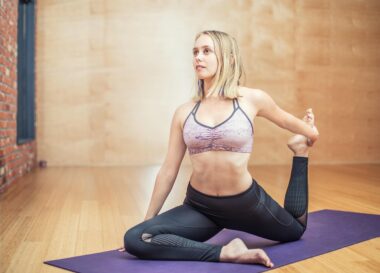
Incorporating key dynamic sequences into training can significantly improve agility. Start with lunge twists that engage the core and enhance lower body control. This move encourages quick directional changes, training the body to respond dynamically to shifts in movement. Moving forward, include cresent lunges; these promote hip flexibility and strength while maintaining stability and balance. Incorporating moves like cat-cow stretches transitions can effectively warm the spine, preparing it for more intense movements while keeping flexibility in check. Another excellent sequence is dynamic pigeon pose, which supports hip opening while challenging your balance. This not only increases range of motion but also strengthens the stabilizer muscles required during athletic performance. Finally, consider squat jumps after the yoga flow. They can improve explosive power and coordination by combining strength and agility training, culminating in a rounded approach to agility improvement. This allows athletes to develop speed and ensure they can manage the demands of their chosen sport, effectively bridging the gap between yoga practice and athletic performance.
In addition to physical benefits, dynamic yoga sequences cultivate mental resilience among athletes. The practice of mindfulness incorporated in yoga offers a competitive edge by enhancing focus. Athletes learn to push through physical discomfort, as yoga teaches the mind to stay present despite challenges. This mental fortitude is crucial during high-pressure situations experienced in competition. Regularly practicing yoga enhances an athlete’s ability to stay calm and composed regardless of circumstances. The ability to maintain focus can translate into improved performance, allowing athletes to trust their movements and timing when competing. Furthermore, the intentionality behind each pose allows athletes to become more aware of their body mechanics. Such awareness can lead to adjustments that minimize injury risks during competitions. When athletes harmonize their mental focus with their dynamic movements, they create a powerful synergy that significantly enhances their overall agility. Therefore, implementing dynamic yoga into the training regimen not only develops physical ability but also strengthens mental clarity, both of which are vital for athletic success.
Benefits Beyond Agility
Beyond agility, dynamic yoga provides numerous benefits for athletes across various disciplines. Increased flexibility is one such advantage, reducing injury risks while improving overall performance capabilities. As athletes gain flexibility, they can better execute complex movements, enhancing their skills in their respective sports. Additionally, this practice fosters muscle recovery by promoting blood flow and relaxation, further facilitating quicker recovery times. The restorative aspects of yoga allow athletes to recharge in preparation for rigorous training sessions. Improved coordination and balance from yoga practice also contribute positively to athletic performance. These skills ensure that athletes can maintain control during high-speed maneuvers and complex movements. Moreover, dynamic yoga sequences help strengthen mental capacity, enabling athletes to manage stress more effectively. Because competition can create anxiety, the breathing techniques involved in yoga grant tools to combat stress and maintain peak performance. The cumulative benefits inspire athletes to be resilient in their training routines, allowing them to push their limits while also developing an appreciation for their body and its capabilities.
Incorporating dynamic yoga sequences into an athlete’s routine can also foster a sense of community and engagement. Participating in group yoga classes encourages camaraderie among athletes, facilitating bonds that can enhance team dynamics. Such interaction creates a supportive atmosphere, motivating individuals to reach their fullest potential. Furthermore, yoga’s adaptability allows athletes of all levels to participate, fostering inclusivity and ensuring everyone can benefit from the practice, regardless of prior experience. As practitioners progress, they often share personal tips and insights, enriching the experience for all. Moreover, yoga classes can be tailored specifically to meet the needs of athletes, accommodating various skill levels while addressing individual challenges. This community aspect can foster healthy competition and personal growth as participants strive for improvement together. Emphasizing teamwork within a yoga practice can also transfer to team sports, enhancing overall cohesiveness and communication. Such enhanced dynamics contribute significantly to a positive training environment, driving athletes to improve collectively, ensuring that the journey toward agility and athleticism is rewarding and enjoyable.
Conclusion on Dynamic Yoga for Performance
In conclusion, dynamic yoga sequences present unparalleled avenues for enhancing athletic agility while offering numerous benefits for athletes. Enhanced balance, coordination, flexibility, and mental focus provide a comprehensive approach to athletic training that cannot be overstated. Furthermore, the practice encourages consistent engagement with one’s body, fostering an understanding that extends beyond the mat and into competitive sports scenarios. By integrating yoga into their regimen, athletes can unlock hidden potential within themselves, ultimately leading to improved performance, reduced injury risk, and enhanced recovery times. The holistic benefits of yoga create a symbiotic relationship with other training methods, reinforcing athletic capabilities dynamically. Continuous practice ensures athletes experience long-term advantages that will translate across varied sports disciplines. As they embrace yoga, athletes empower themselves to push their limits while maintaining a sense of mindfulness and awareness. The lasting impacts extend beyond immediate improvements, promoting a lifestyle dedicated to health and wellness. Therefore, adopting dynamic yoga sequences is a must for any athlete aiming to elevate their performance and agility levels while enjoying the journey along the way.
In summary, athletes are encouraged to explore dynamic yoga sequences as a pivotal component of their training. The integration of these practices can lead to holistic growth, ultimately shaping well-rounded athletes capable of excelling in their respective sports. Dynamic yoga offers a path to improve performance metrics while emphasizing mental clarity and connectedness with one’s body. The adaptability of the sequences ensures that all athletes benefit, regardless of their level of experience. The consistent incorporation of yoga into training regimens promotes physical prowess, creativity, and resilience needed during athletic pursuits. By committing to these practices, athletes invest in their long-term success and well-being. Yoga encourages a lifelong appreciation for athleticism and encourages athletes to push their boundaries while remaining mindful of their mental states. Through dedication and time spent on the mat, athletes can expect to see remarkable improvements in agility, strength, and overall performance on the field. In the competitive world of sports, this commitment to dynamic yoga sequences enables athletes to stand out not just for their abilities, but for their holistic approach to athletic excellence.