
How to Create a Kid-Friendly Workout Routine at Home
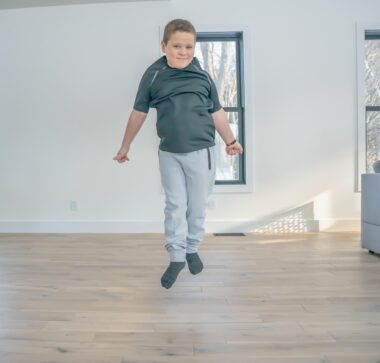
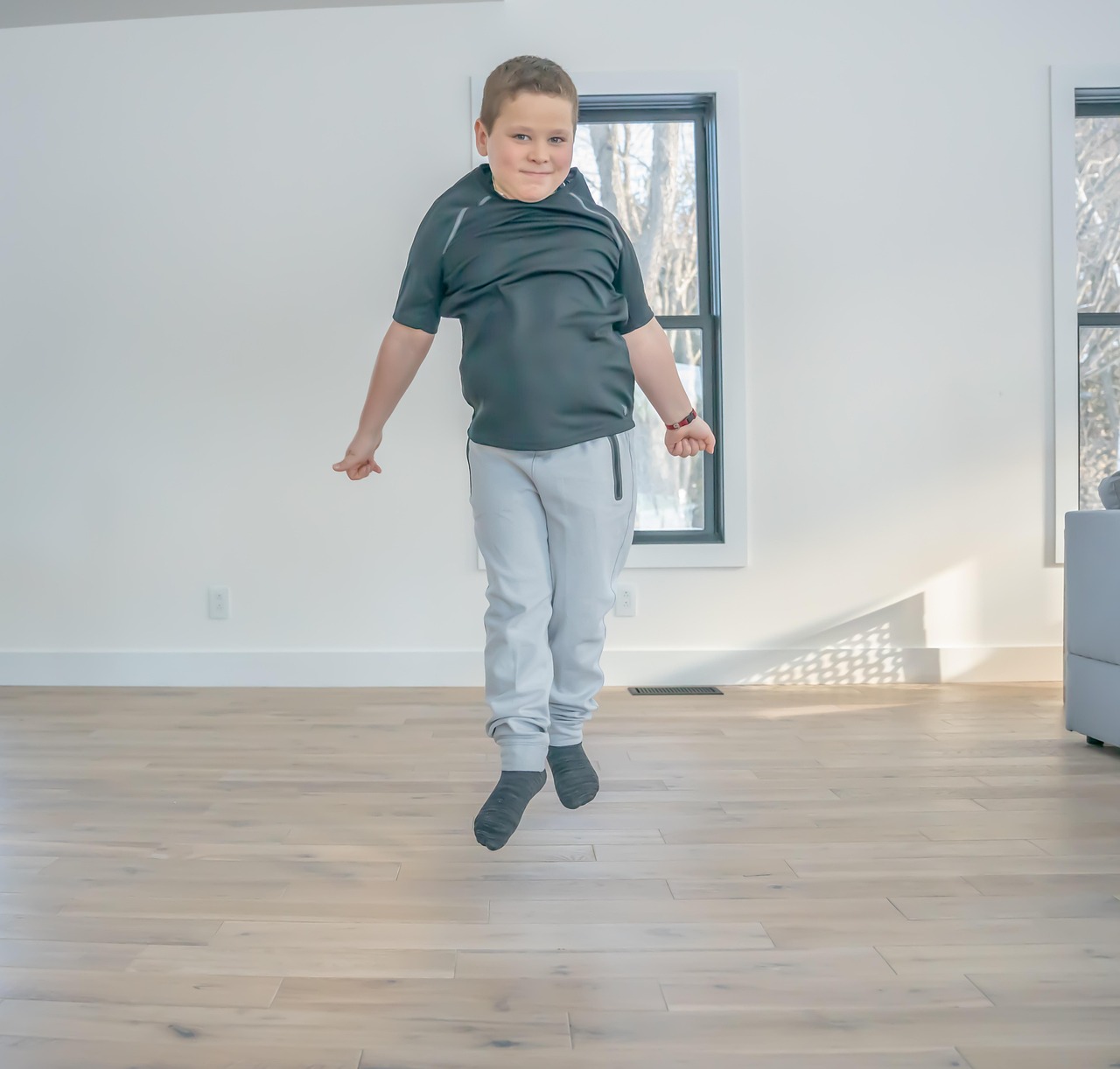
Creating a kid-friendly workout routine at home can be an engaging way to promote fitness and fun within your family. Start by understanding what activities excite your children. Rather than jumping straight into traditional exercises, consider incorporating play into their routine. Activities such as dancing, jumping rope, and even playing tag can serve as forms of exercise. Establishing a routine is essential. Designate specific times for workouts, ideally when your kids have plentiful energy. Aim for a variety of exercises to maintain interest, including strength, flexibility, and endurance activities. Involving the whole family can create a supportive atmosphere that encourages participation. Set mutual fitness goals that everyone can work towards. For example, a family challenge involving the most steps taken in a week can be motivating. Use fitness apps or games to track progress and keep everyone encouraged and accountable. Lastly, remember to celebrate achievements, no matter how small, which fosters a positive attitude towards fitness. Regular encouragement and support play vital roles in developing lifelong healthy habits for your children.
Once a schedule is established, it’s crucial to ensure the workouts are varied and enjoyable. Kids thrive on changes, and workouts should never feel like a chore. To keep things exciting, consider having a weekly theme, such as superhero training or animal movements. This way, kids can pretend to be their favorite characters, turning every workout into an adventure. Another idea is to involve fitness videos that include kid-friendly routines. There are many online platforms where you can find workouts specifically designed for children. These videos often use music and bright visuals to maintain their attention. Don’t forget to include fun challenges such as obstacle courses made from furniture or outdoor agility drills. Moreover, encouraging kids to choose their activities empowers them and keeps the motivation high. Perhaps one week they want to try yoga, while the next, they may prefer high-energy cardio. Consistency is essential; however, maintaining their interest is imperative. Continually discuss progress, fun experiences, and any physical changes, which can reinforce their desire to stay active. Lastly, try to maintain flexibility in the schedule to accommodate changes in their interests and energy levels.
Integrating Games and Fun into Workouts
Integrating games into your kid’s workout routine adds an element of fun that keeps them engaged. Kids love games, and combining physical activity with playful elements offers an excellent way to sneak in some exercise. Games like freeze tag or hopscotch can be transformed into more vigorous workouts by adding fitness components. For instance, during freeze tag, kids can do jumping jacks or squats while waiting to be tagged. Try to include relay races that require running as well as crawling through tunnels or balancing activities. These games can also help with developing vital skills such as coordination, balance, and agility. Another exciting idea is to set up fitness stations around the backyard or living room that include various tasks. After completing an exercise at one station, children have a blast racing to the next one. Use colorful markers or cones to define each station. You can even start a family Workout Bingo with different fitness challenges to mix routine activities with the thrill of crossing off boxes. Such creative ideas make working out feel less like an obligation and more like an enjoyable family adventure.
As you design this kid-friendly workout regime, remember to consider both physical and mental engagement. Mindfulness activities such as yoga or dance can enhance focus, improve flexibility, and promote relaxation. Including calming activities can balance high-energy exercises, making the workout holistic. Yoga, for example, can teach kids how to calm themselves after active play or challenging movements. With guided breathing practices and gentle poses, they learn self-regulation and body awareness. Another beneficial option is incorporating playful meditation sessions, where kids can express their thoughts and feelings. To find suitable techniques, look for child-friendly resources that guide parents and children in appropriate exercises. Encourage them to explore these methods through relaxation-themed games. Besides enhancing their physical abilities, this promotes their emotional intelligence and social skills. Incorporating breathing exercises regularly can help in moments of stress, establishing a beneficial habit. The commitment to broaden their understanding of wellness will empower your children not only physically but also mentally, fostering a holistic perspective toward health, both at home and beyond. Parents should engage and connect with their kids, building a routine that nurtures emotional and psychological health alongside physical activity.
Setting Realistic Goals and Rewards
Setting realistic goals with your children can create a firm foundation for their fitness journey. Collaboratively establish weekly or monthly fitness objectives, ensuring they are achievable and age-appropriate. Consider short-term goals that show immediate results, motivating them to continue their efforts. For instance, participating in a local kids’ fun run or setting a target for the number of sit-ups or jumps completed in a week can spark excitement and enthusiasm. Regularly revisiting these goals allows you to celebrate progress and adapt them as necessary. Rewards play a crucial role in maintaining motivation. Systematically recognize achievements with small rewards, such as stickers or special privileges, after reaching milestones. This can create a positive reinforcement system that encourages ongoing participation. Perhaps also implement a reward chart for their fitness progress; visually tracking enhances their understanding of growth and achievements. Include family points that can accumulate for a special family activity when a certain amount of points is collected. Celebrate each little success to reinforce their commitment. Through achievable milestones and creative rewards, children can learn the importance of dedication and build self-confidence while developing a healthy lifestyle.
Additionally, don’t underestimate the power of positive encouragement throughout their workout journey. Children thrive on affirmation, so be enthusiastic when they achieve fitness goals, no matter how small. Your involvement as a parent plays a significant role in developing a healthy relationship with exercise. Ensure that your encouragement is genuine and specific, highlighting effort over ability. For example, let them know how proud you are of their persistence after a tough workout or their decision to try a new activity. Encouragement at home creates a safe space where kids can express their feelings and efforts. Moreover, allowing them to explore different exercises independently fosters confidence and ownership of their fitness journey. Engaging them in discussions about their preferences empowers their decision-making and establishes trust. Also, encourage them to voice any challenges they face, which can lead to meaningful conversations about resilience and the journey towards improvement. Let your children know that their opinions matter, and be excited about participating in their fitness goals. Such a supportive and dynamic family environment will enhance their enthusiasm and help them build an active and fulfilling lifestyle together.
Conclusion
In conclusion, creating a kid-friendly workout routine at home can be a transformative experience for the entire family. By prioritizing enjoyment and play, you foster a love for movement that can last a lifetime. Introduce a variety of activities that encourage participation and exploration, while tracking progress and celebrating success. Family bonding during workouts strengthens relationships, while also laying the groundwork for healthy habits. Offer a mix of structured activities and unstructured play to maintain interest, and remember the importance of setting achievable goals. Positive encouragement will transform your child’s mindset towards fitness, making it an enjoyable and rewarding journey. Integrate mindfulness through yoga or relaxation exercises to support their emotional health. By including games and friendly competitions, you invite excitement into workouts, transforming exercise into a fun adventure. With patience and adaptability, tweak the routine according to their interests. This commitment not only paves the way for a healthier lifestyle but also nurtures resilience and confidence in your children. By instilling these practices early, you are empowering your kids to lead active lives filled with joy and purpose.
To summarize, a home workout regime for kids goes beyond physical fitness; it aids in emotional and mental growth as well. Plan engaging activities, be there to encourage and motivate, and most importantly, have fun together as a family!